
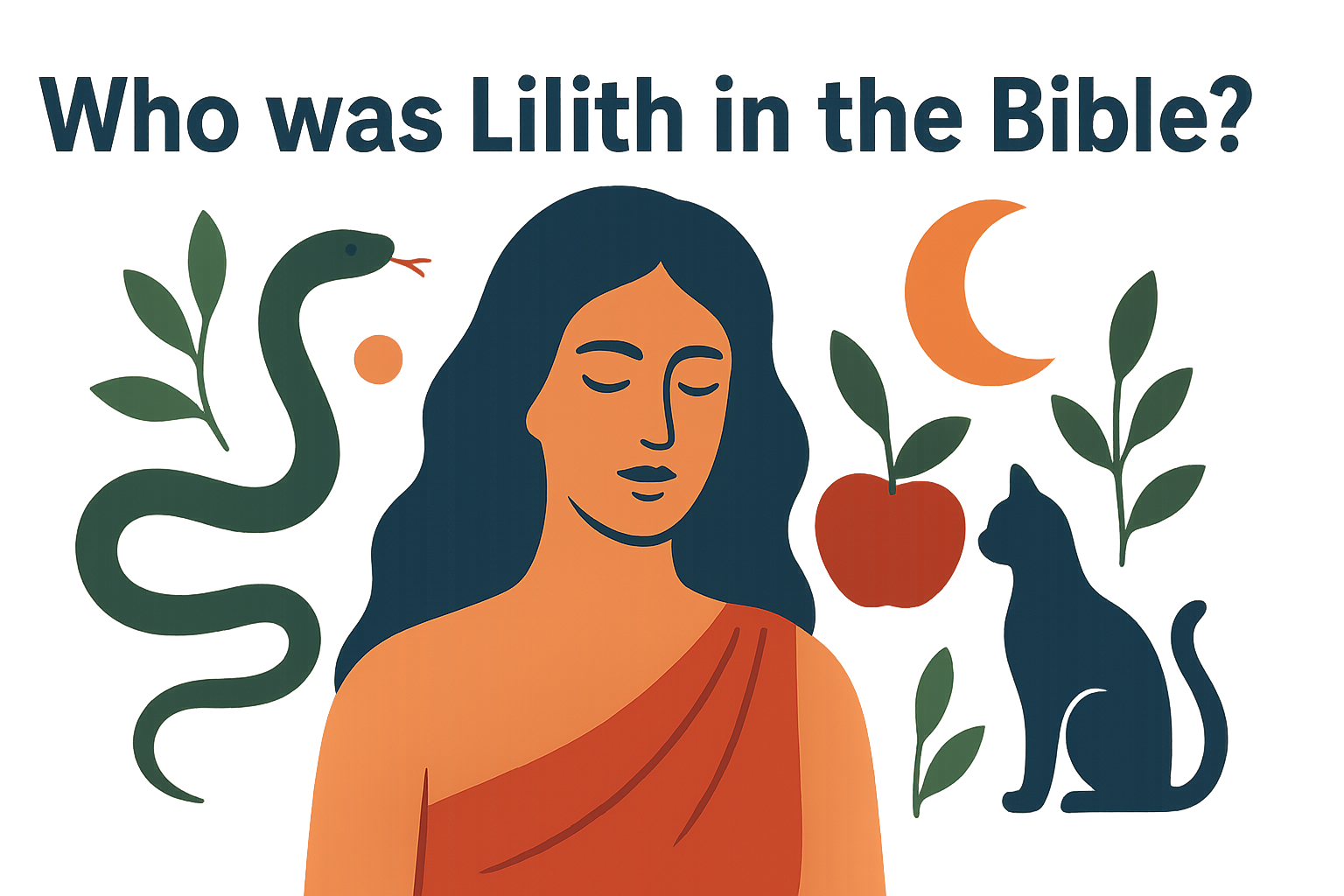
Lilith is a figure who appears in various ancient texts and traditions, but she is not explicitly mentioned in the canonical Bible. The most notable reference to her can be found in the Jewish mystical text known as the “Alphabet of Ben-Sira,” which dates back to the medieval period. This text describes Lilith as Adam’s first wife, created from the same earth as Adam, unlike Eve, who was created from Adam’s rib. However, this narrative is not found in the Bible itself.
In the Bible, there is a mention of a creature called “lilith” in Isaiah 34:14, but this reference is often subject to interpretation. The term is translated in various ways, including “night creature,” “screech owl,” or “desolate creature,” depending on the Bible version. This has led to different understandings of who or what Lilith represents.
Lilith in Jewish Tradition
Jewish tradition plays a significant role in the development of the Lilith mythos. The “Alphabet of Ben-Sira,” written around the 9th or 10th century, is one of the earliest texts to introduce Lilith as Adam’s first wife. According to this narrative, Lilith was created simultaneously with Adam, which implies that she was equal to him. However, their relationship became strained due to Lilith’s refusal to submit to Adam’s authority. This led to her departure from the Garden of Eden.
In this folklore, Lilith is often depicted as a figure of independence, rebellion, and sexuality. After leaving Adam, she is said to have become a demon, preying on newborn children and women in childbirth. This transformation reflects the fears and anxieties of ancient societies regarding female independence and sexuality.
Biblical References and Interpretations
The only direct biblical reference to Lilith is found in Isaiah 34:14. The verse describes a desolate area and lists various creatures that inhabit it, including “lilith.” The context of this passage is a prophecy of desolation against Edom, highlighting the judgment of God. The exact nature of “lilith” in this verse is debated among scholars.
“The wildcats will meet with the jackals, the goat-demons will call to each other; there the night creatures will settle and find for themselves a place to rest.” (Isaiah 34:14, NLT)
Some translations render “lilith” as “screech owl,” emphasizing the idea of a nocturnal creature associated with desolation. Others, however, argue that it refers to a female demon or a spirit, drawing connections to the folklore surrounding her. The ambiguity of the term “lilith” in this context illustrates the various interpretations that can arise from biblical texts.
The Evolution of the Lilith Myth
Over the centuries, the myth of Lilith has evolved significantly. In medieval Jewish folklore, she is often depicted as a seductress and a figure of danger. The Kabbalistic tradition expanded on her character, associating her with the darker aspects of femininity and sexuality. Lilith became a symbol of the rebellious woman who defies male authority.
In some traditions, she is believed to be the mother of demons, further solidifying her connection to evil and chaos. This portrayal reflects societal attitudes towards women who challenge the traditional roles assigned to them. Lilith’s story serves as a cautionary tale about the consequences of defiance and independence.
Modern Interpretations of Lilith
In contemporary culture, Lilith has been embraced by various feminist movements as a symbol of female empowerment. Her story is often reinterpreted to highlight themes of autonomy and resistance against patriarchal structures. Artists, writers, and scholars have drawn inspiration from her character, reimagining her as a figure of strength rather than one of evil.
- In literature, Lilith appears in works exploring themes of feminism and sexuality.
- In art, she is often depicted as a powerful woman, reclaiming her narrative.
- In spiritual practices, some view Lilith as a figure of empowerment, embracing her independence and strength.
This transformation of Lilith from a demonized figure to one of empowerment reflects the changing societal views on women and their roles. While her origins in biblical and folkloric texts remain complex, modern interpretations have allowed for a broader understanding of her significance.
Conclusion: A Complex Figure
Lilith’s identity is multifaceted and varies significantly across different texts and traditions. While she is not a prominent figure in the canonical Bible, her story has been woven into the fabric of Jewish folklore and has evolved over time. The references to her in the Bible, particularly in Isaiah, remain subject to interpretation, and the lack of a definitive description leaves room for various understandings.
As we explore the story of Lilith, it is essential to differentiate between biblical texts and later interpretations that have shaped her character. Whether viewed as a demon, a symbol of independence, or a figure of empowerment, Lilith continues to captivate the imagination and provoke discussions about gender, power, and identity.
The Role of Lilith in Feminist Discourse
In recent years, the figure of Lilith has gained prominence in feminist discourse. Many scholars and activists have reclaimed her story, using it to challenge traditional narratives surrounding women in both religious and cultural contexts. Lilith represents a woman who refuses to conform to societal expectations, making her an icon for those advocating for gender equality and women’s rights.
By embracing Lilith as a symbol of defiance, feminists argue that her story highlights the struggles women face when asserting independence. This interpretation encourages discussions about the ways women have historically been demonized for their autonomy. In this light, Lilith’s rejection of Adam and her subsequent transformation into a demon can be seen as a reflection of how society often punishes women for stepping outside prescribed roles.
Comparative Analysis with Other Mythological Figures
When examining Lilith’s story, it is useful to compare her to similar figures in other mythologies. For instance, in Greek mythology, figures like Medusa and Pandora also embody themes of female independence and the consequences that follow. Like Lilith, these women are often portrayed as dangerous or cursed due to their defiance.
This comparative analysis can deepen our understanding of how various cultures perceive female agency. By studying figures like Lilith alongside other mythological women, we can see a pattern of how society grapples with the concept of female power and the fears associated with it. Such discussions can reveal underlying cultural attitudes towards femininity and rebellion.
Modern Adaptations in Literature and Media
In contemporary literature and media, Lilith has been reimagined in various ways, often reflecting modern societal values. Authors and creators have taken liberties with her narrative, portraying her not just as a demon but as a complex character with depth and motivations. This shift allows for richer storytelling and provides audiences with a more nuanced understanding of her role.
- In novels, Lilith is often depicted as a misunderstood heroine, exploring her motivations and struggles.
- In television series and films, she may be portrayed as a powerful ally or a formidable antagonist, reflecting the duality of her character.
- In graphic novels and comics, artists often emphasize her strength and resilience, presenting her as a figure of empowerment.
These modern adaptations contribute to ongoing conversations about gender, power, and identity, allowing Lilith to resonate with new audiences. By reframing her narrative, creators challenge traditional views and invite discussions about the complexities of female empowerment.
Questions for Further Reflection
As we consider the story of Lilith and its implications, several questions arise that can provoke deeper thought:
- What does Lilith’s story reveal about societal attitudes toward women who resist traditional roles?
- How can the reinterpretation of Lilith inform contemporary discussions about gender equality?
- What parallels can be drawn between Lilith and other mythological figures who challenge patriarchal norms?
- In what ways can Lilith’s story serve as a source of inspiration for modern women navigating their own paths?
Engaging with these questions can lead to a richer understanding of Lilith’s legacy and its relevance in today’s world. Her narrative encourages individuals to reflect on the broader implications of female independence and the societal structures that often seek to suppress it.
Conclusion: The Enduring Legacy of Lilith
Lilith remains a powerful symbol with a complex legacy that transcends her origins in ancient texts. While she is not a central figure in the canonical Bible, her story resonates with themes of independence, rebellion, and the challenges faced by women throughout history. As we explore her character across various contexts, it becomes clear that Lilith’s significance continues to evolve.
From her early depictions in Jewish folklore to her modern reinterpretations in feminist literature and media, Lilith embodies the struggle for female autonomy and empowerment. As society continues to grapple with issues of gender and power, Lilith’s narrative serves as a reminder of the importance of understanding and reclaiming women’s stories.
As we reflect on Lilith’s journey, we are invited to examine our own views on gender roles and the narratives that shape our understanding of female strength. Her story encourages us to embrace complexity and challenge the status quo, fostering discussions that promote equality and respect for women’s voices.
For more insights into the complexities of biblical figures and their modern interpretations, you can explore the role of women in the Bible and the significance of Eve in biblical narratives.