
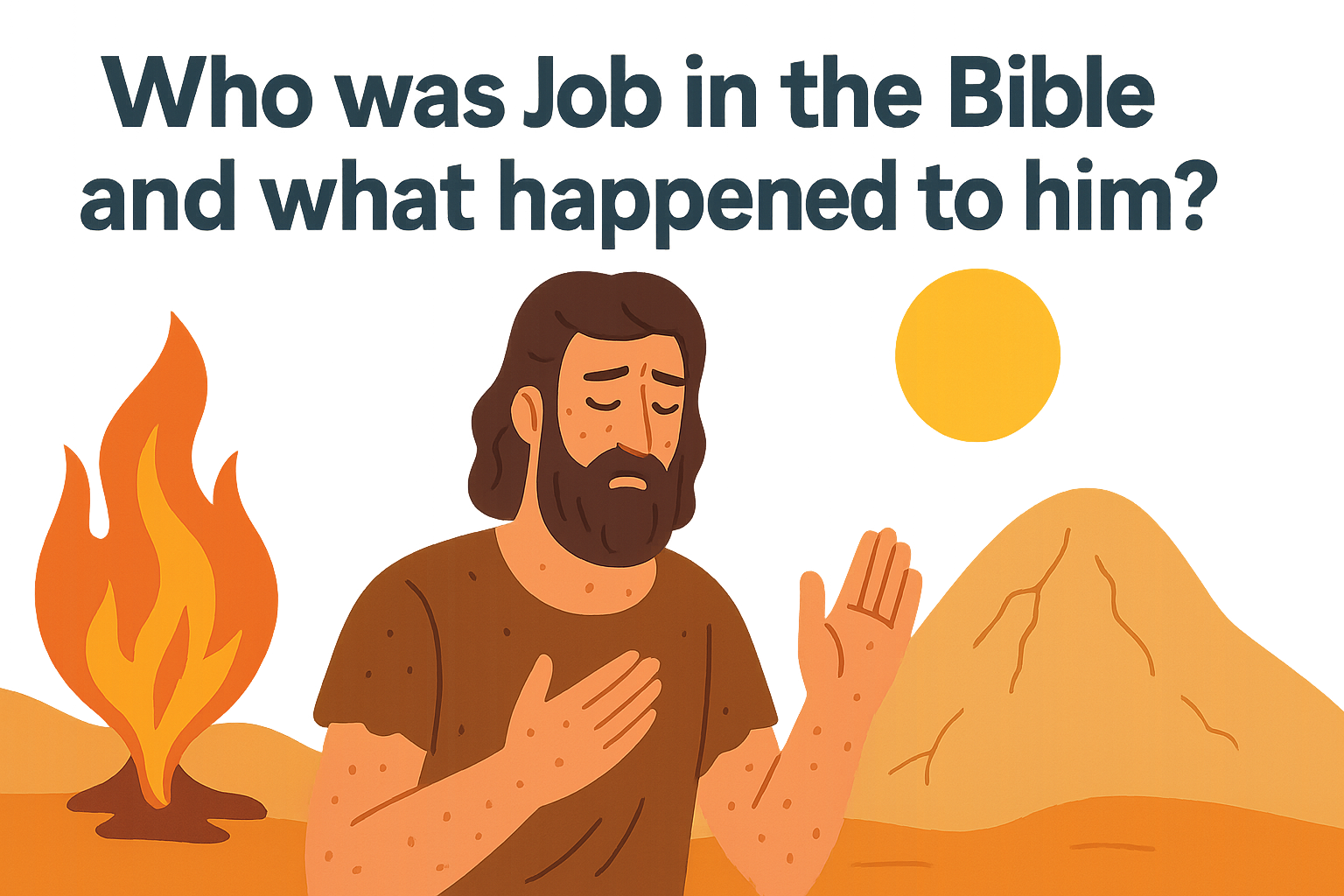
Job was a wealthy and upright man from the land of Uz, known for his strong faith in God and his integrity. The Book of Job in the Old Testament tells his story, highlighting profound themes of suffering, faith, and divine justice. Job faced immense trials that tested his character and beliefs, ultimately leading to a deeper understanding of God’s nature.
The narrative begins by introducing Job as a man who was “blameless” and “upright,” who feared God and shunned evil (Job 1:1). Despite his righteousness, Job’s life took a dramatic turn when he experienced a series of devastating losses.
The Character of Job
Job is described as a man of great wealth and piety. He had seven sons and three daughters and owned vast flocks and servants, making him one of the greatest men in the East (Job 1:2-3). His character is further emphasized by his regular practice of offering sacrifices for his children, believing that they might have sinned and cursed God in their hearts (Job 1:5).
Job’s Righteousness
Job’s righteousness is central to his identity. He lived a life that honored God, and this is reflected in his actions and his relationships with others. His reputation as a just man extended beyond his family, as he was known for his compassion and care for the poor and needy (Job 29:12-17). This strong moral character sets the stage for the trials he would soon face.
The Testing of Job
The story takes a turn when a heavenly meeting occurs between God and Satan. God boasts about Job’s righteousness, but Satan challenges this by suggesting that Job is only faithful because he has been blessed with prosperity (Job 1:8-11). To prove Job’s faithfulness, God allows Satan to test him, but with the stipulation that Job’s life must be spared (Job 1:12).
Job’s Losses
As a result of this divine challenge, Job experiences catastrophic losses. In a matter of moments, he loses his livestock, servants, and all ten of his children due to a series of calamities, including raids and natural disasters (Job 1:14-19). Despite these overwhelming tragedies, Job responds with profound faith, saying, “The Lord gave me what I had, and the Lord has taken it away. Praise the name of the Lord!” (Job 1:21, NLT).
The Physical Affliction
After the initial losses, Satan is allowed to afflict Job physically. He is struck with painful sores all over his body, leading him to sit in ashes and scrape his wounds (Job 2:7-8). Despite his suffering, Job maintains his integrity, refusing to curse God, even when his wife urges him to do so (Job 2:9-10).
The Role of Job’s Friends
Job’s friends, Eliphaz, Bildad, and Zophar, come to comfort him. Initially, they sit in silence with him for seven days, sharing in his grief (Job 2:11-13). However, when they begin to speak, their counsel turns into accusations. They argue that Job must have sinned to deserve such suffering, reflecting a common belief of the time that suffering was a direct result of personal wrongdoing (Job 4:7-8). Job adamantly defends his innocence, insisting that he has not committed any sins deserving of such punishment.
The Theological Debate
The discussions between Job and his friends lead to a profound theological debate about the nature of God, justice, and suffering. Job questions why the righteous suffer while the wicked prosper, expressing a deep yearning for answers from God. He seeks a mediator to plead his case, demonstrating his desire for justice and understanding (Job 9:33).
Job’s Lament and Longing for Justice
Throughout his lamentations, Job expresses his anguish and confusion. He longs for God to reveal Himself and explain the reasons for his suffering. Job’s heartfelt cries reflect the struggle many face when grappling with pain and injustice. He boldly states, “Though he slay me, yet will I hope in him; I will surely defend my ways to his face” (Job 13:15, NLT). This declaration showcases Job’s unwavering faith, even in the depths of despair.
Job’s Defense Before God
As the dialogue continues, Job maintains his innocence and challenges the traditional views of his friends. He argues that suffering does not always correlate with sinfulness, highlighting the complexity of divine justice. Job’s insistence on his righteousness and his desire for a direct encounter with God set the stage for the final act of the narrative.
At this point in the story, Job’s faith is being tested to its limits. He is caught in a web of suffering, questioning, and the search for divine understanding. The stage is set for a dramatic encounter with God, where the answers Job seeks will ultimately be revealed.
The Divine Encounter
After a series of intense dialogues with his friends, God finally responds to Job out of a whirlwind (Job 38:1). This moment is pivotal, as it shifts the narrative from Job’s suffering to a direct encounter with the Almighty. Instead of providing answers to Job’s questions, God poses a series of questions that highlight His omnipotence and the limitations of human understanding. He asks Job about the creation of the world, the management of natural phenomena, and the mysteries of life, emphasizing that human beings cannot fully comprehend His ways (Job 38:4-11).
The Nature of God’s Response
God’s response is not one of condemnation or justification of Job’s suffering; rather, it serves to remind Job of the vastness of divine wisdom. God emphasizes the complexity of creation and the order of the universe, suggesting that His ways are beyond human comprehension. Job is confronted with the reality that his perspective is limited, and he is called to trust in God’s character even when circumstances are inscrutable.
Job’s Humble Response
Faced with the majesty and power of God, Job’s response is one of humility and repentance. He acknowledges his limitations and expresses a newfound understanding of God’s sovereignty. Job states, “I had heard of you by the hearing of the ear, but now my eye sees you; therefore I despise myself and repent in dust and ashes” (Job 42:5-6). This marks a significant transformation in Job, moving from questioning God’s justice to accepting His wisdom.
The Restoration of Job
Following this encounter, God restores Job’s fortunes, blessing him with twice as much as he had before (Job 42:10). Job receives new children and lives a long life, witnessing four generations. This restoration is significant not only in terms of material wealth but also in Job’s relationship with God. He emerges from his trials with a deeper faith and understanding of God’s nature, illustrating that suffering can lead to spiritual growth and renewal.
The Legacy of Job
Job’s story has had a lasting impact on theological discourse and the understanding of suffering. His unwavering faith amidst adversity has inspired countless individuals throughout history. The Book of Job invites readers to wrestle with difficult questions about suffering, justice, and the nature of God. It challenges the simplistic notion that suffering is always a result of personal sin, encouraging a more nuanced understanding of divine justice.
Lessons from Job’s Experience
- Faith in Adversity: Job’s story teaches the importance of maintaining faith during trials. His declaration of hope despite suffering serves as a powerful example for believers.
- The Mystery of Suffering: The narrative encourages readers to embrace the mystery of God’s ways. Not all suffering can be explained, and sometimes the reasons remain hidden from human understanding.
- The Importance of Dialogue: Job’s conversations with his friends emphasize the need for compassionate dialogue when addressing the suffering of others, rather than jumping to conclusions about their circumstances.
- God’s Sovereignty: Ultimately, Job’s experience reminds believers of God’s sovereignty over creation and the importance of trusting Him, even when life does not make sense.
Reflecting on Job’s Trials
As readers reflect on Job’s story, several meaningful questions arise. How do we respond to suffering in our own lives? Are we willing to seek God in our pain? Do we trust in His character despite unanswered questions? Job’s journey invites individuals to explore their faith deeply and consider how they can grow through challenges.
The Role of Community
Job’s friends initially come to comfort him, but their misguided attempts at explanation serve as a reminder of the importance of offering genuine support to those in pain. The story encourages the Christian community to be compassionate and present, rather than judgmental or dismissive. In what ways can we better support those who are suffering in our lives?
Conclusion: Job’s Enduring Faith
Job’s narrative is a profound exploration of faith, suffering, and divine justice. His journey from prosperity to profound loss and eventual restoration illustrates the complexities of life and the nature of God. Through his story, believers are encouraged to embrace their struggles, seek a deeper relationship with God, and trust in His sovereignty. Ultimately, Job’s experience serves as a testament to the enduring power of faith and the hope that can be found even in the darkest of times.
For further exploration of suffering and faith, consider reading more about Job’s trials and their significance and how to find comfort in God’s promises during difficult times in our lives.