
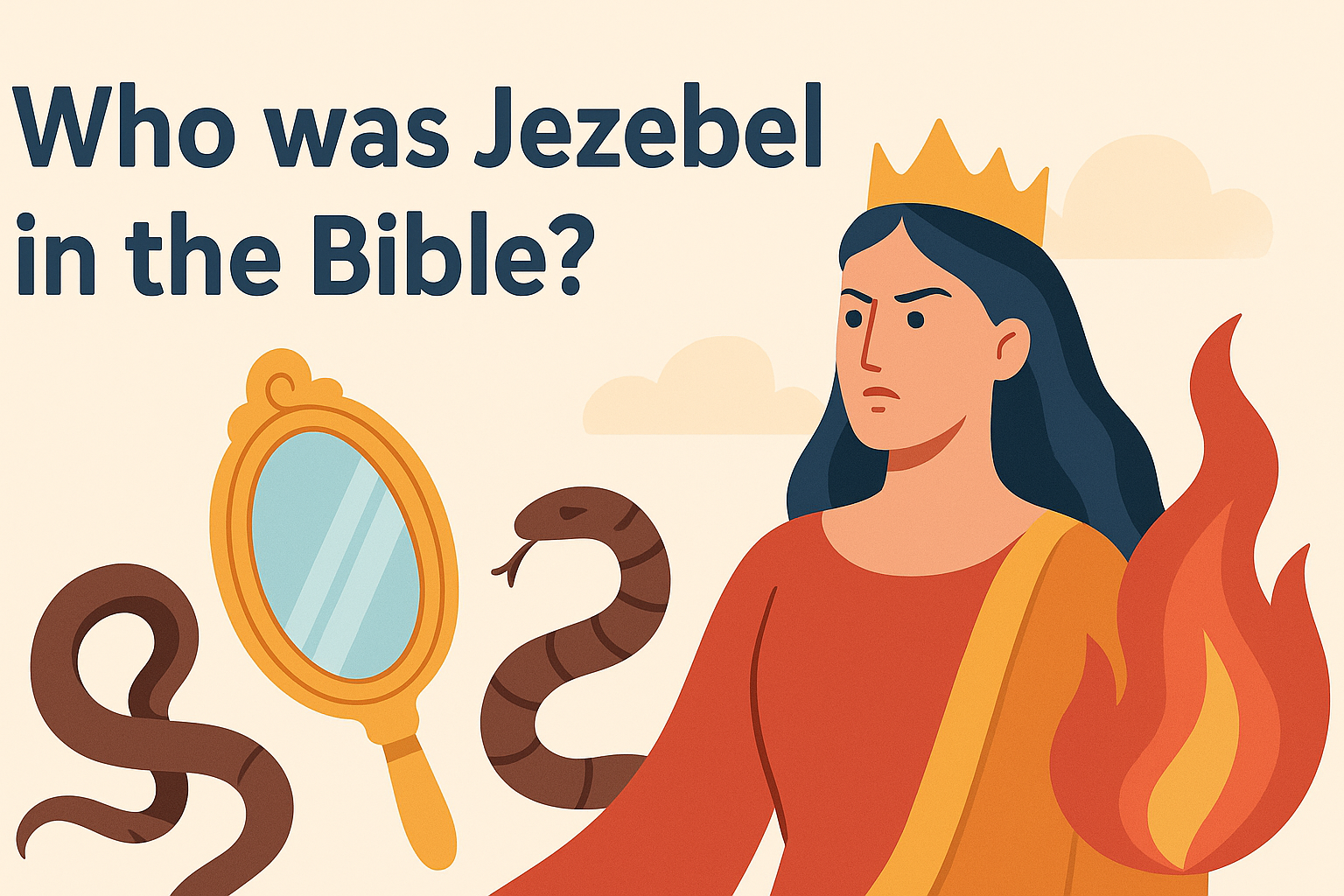
Jezebel is a prominent figure in the Bible, known for her role as a queen and for her strong opposition to the worship of the God of Israel. She is often associated with idolatry, manipulation, and immorality. Jezebel was the wife of King Ahab of Israel and is primarily mentioned in the books of 1 Kings and 2 Kings.
Her story is a powerful narrative that illustrates the conflict between the worship of Yahweh and the worship of Baal, a Canaanite deity. Jezebel’s actions and influence had significant repercussions for the people of Israel, leading to a legacy that is often viewed negatively in biblical texts.
Jezebel’s Background and Marriage to Ahab
Jezebel was a Phoenician princess, the daughter of Ethbaal, the king of Sidon. Her marriage to Ahab, the king of Israel, was politically motivated, meant to strengthen ties between Israel and Phoenicia. This union is mentioned in 1 Kings 16:31, which highlights that Ahab took Jezebel as his wife and “began to serve Baal and worship him.”
Jezebel’s background was significant because it introduced Baal worship into Israel. This was a departure from the worship of Yahweh, which had been the foundation of Israelite faith. As a queen, Jezebel wielded considerable influence over her husband and the nation, promoting her religious beliefs and practices.
Promotion of Baal Worship
One of the most striking aspects of Jezebel’s character is her zealous promotion of Baal worship. She actively sought to eliminate the prophets of Yahweh, which culminated in a campaign to kill them. 1 Kings 18:4 recounts how Jezebel “killed the Lord’s prophets.” This persecution of Yahweh’s prophets created a significant crisis of faith among the Israelites.
Her influence led to the establishment of Baal worship in Israel, which provoked the anger of God. The biblical account shows that Ahab, under Jezebel’s sway, built an altar for Baal in Samaria and made an Asherah pole, further solidifying the worship of these foreign gods (1 Kings 16:32-33). This act was seen as a direct challenge to Yahweh’s authority and a betrayal of the covenant that Israel had with God.
The Confrontation with Elijah
The conflict between Jezebel and the prophet Elijah is one of the most dramatic moments in her story. This confrontation is found in 1 Kings 18, where Elijah challenges the prophets of Baal to a contest on Mount Carmel. The purpose was to demonstrate who the true God was: Yahweh or Baal.
Elijah’s challenge resulted in a miraculous demonstration of God’s power, where fire fell from heaven to consume Elijah’s sacrifice. The defeat of the prophets of Baal led to their execution, which further enraged Jezebel. In response, she vowed to kill Elijah, sending him into a state of fear and despair (1 Kings 19:1-2). This episode illustrates not only Jezebel’s ruthlessness but also her determination to maintain her religious practices at any cost.
Jezebel’s Manipulation and Deception
Jezebel’s character is marked by manipulation and deception, particularly in her dealings with Naboth. In 1 Kings 21, Naboth owned a vineyard that Ahab desired. When Naboth refused to sell it, Jezebel devised a plan to have him killed. She wrote letters in Ahab’s name, instructing the elders of Naboth’s city to accuse him falsely and execute him. This act of manipulation highlights her willingness to use deceit to achieve her goals.
Once Naboth was dead, Jezebel encouraged Ahab to take possession of the vineyard. This event not only reveals her cunning nature but also the extent to which she would go to fulfill her desires, regardless of the moral implications. The consequences of this act drew the ire of God, leading to a prophetic judgment against Ahab and Jezebel through Elijah (1 Kings 21:17-24).
Jezebel’s Downfall and Legacy
The downfall of Jezebel is marked by her dramatic end, as described in 2 Kings 9. After Ahab’s death, Jezebel continued to exert influence over Israel. However, the prophet Elisha anointed Jehu as king and commanded him to destroy the house of Ahab. Jehu ultimately confronted Jezebel in Jezreel, where she met her demise. She was thrown from a window, trampled by horses, and later eaten by dogs, fulfilling Elijah’s prophecy (2 Kings 9:30-37).
Jezebel’s legacy is one of infamy. She is often cited as a symbol of wickedness and idolatry in the Bible. The term “Jezebel” has become synonymous with false prophets, manipulation, and immorality. Her story serves as a cautionary tale about the dangers of turning away from God and the consequences of leading others astray.
Theological Implications of Jezebel’s Story
Jezebel’s narrative is not just a historical account; it carries deep theological implications for understanding the nature of idolatry and the conflict between good and evil. Her actions represent a significant turning point in Israel’s history, as she introduced foreign practices that led the nation away from the covenant relationship with Yahweh.
In the context of the Old Testament, idolatry was viewed as spiritual unfaithfulness. Just as a spouse’s unfaithfulness can fracture a marriage, the Israelites’ worship of Baal and Asherah was seen as a betrayal of their exclusive relationship with God. The story of Jezebel challenges readers to consider the seriousness of idolatry in their own lives. It raises questions about what modern-day idols might exist that distract believers from their commitment to God.
Lessons on Leadership and Influence
Jezebel’s influence over Ahab and the nation of Israel serves as a powerful lesson on leadership. Her ability to sway her husband and lead a nation into idolatry illustrates how leaders can impact the spiritual direction of those they govern. The story prompts reflection on the responsibility of leaders—whether in homes, churches, or communities—to guide others toward truth rather than deception.
This aspect of her story also invites readers to consider their own influence. Are they leading others towards faithfulness to God, or are they inadvertently encouraging compromise? Jezebel’s legacy reminds us that influence can be wielded for both good and evil, and the consequences of that influence can be far-reaching.
Jezebel in Christian Tradition
Throughout Christian history, Jezebel has been invoked as a symbol of temptation and moral failure. In the New Testament, her name appears in Revelation 2:20, where she is referenced as a false prophetess who leads believers into immorality and idolatry. This connection indicates that the lessons of her life extend beyond the Old Testament, remaining relevant to the early church and to contemporary believers.
In many Christian teachings, Jezebel is used as a cautionary figure, serving as a warning against the dangers of allowing worldly influences to corrupt faith. Her legacy challenges believers to remain vigilant against practices that might lead them away from God, emphasizing the need for discernment in both personal and communal worship.
Jezebel’s Cultural Impact
The name Jezebel has transcended the biblical text and entered popular culture, often used to describe manipulative or immoral women. This cultural appropriation can sometimes lead to misunderstandings about her character and the historical context of her actions. It is essential to approach her story with a nuanced understanding, recognizing that her portrayal in the Bible is complex and multi-faceted.
While Jezebel is undeniably a figure of villainy, understanding her motivations and the cultural context of her reign can provide deeper insights into her character. The narrative invites readers to explore issues of power, influence, and the consequences of turning away from God.
Questions for Reflection
As we consider Jezebel’s story, several questions arise that can guide personal reflection and group discussion:
- What modern-day idols might be drawing your attention away from God?
- In what ways can you ensure that your influence on others leads them toward faith rather than compromise?
- How do you respond to leaders or influences that contradict your faith?
- What steps can you take to remain faithful in a culture that often promotes values contrary to biblical teachings?
These questions encourage believers to engage with the text and reflect on their own lives in light of Jezebel’s legacy, fostering a deeper understanding of faithfulness and integrity.
Conclusion: The Enduring Cautionary Tale of Jezebel
Jezebel’s story is one of profound significance within the biblical narrative. Her life serves as a cautionary tale about the dangers of idolatry, manipulation, and moral compromise. The lessons learned from her actions compel believers to examine their relationship with God and the influences that shape their faith.
By understanding Jezebel’s impact on Israel and her legacy throughout Christian tradition, modern readers can draw valuable insights into their own lives. The story encourages vigilance in faith, a commitment to truth, and a recognition of the consequences that can arise from turning away from God. As believers navigate their spiritual journeys, they are reminded that the choices they make can have lasting implications, both for themselves and for those around them.
For further insights on the themes of faith and influence, you may find it helpful to read about the role of prophets in the Old Testament and the significance of idolatry in biblical times. These articles offer additional context that enriches the understanding of Jezebel’s profound impact on Israel’s spiritual landscape.