
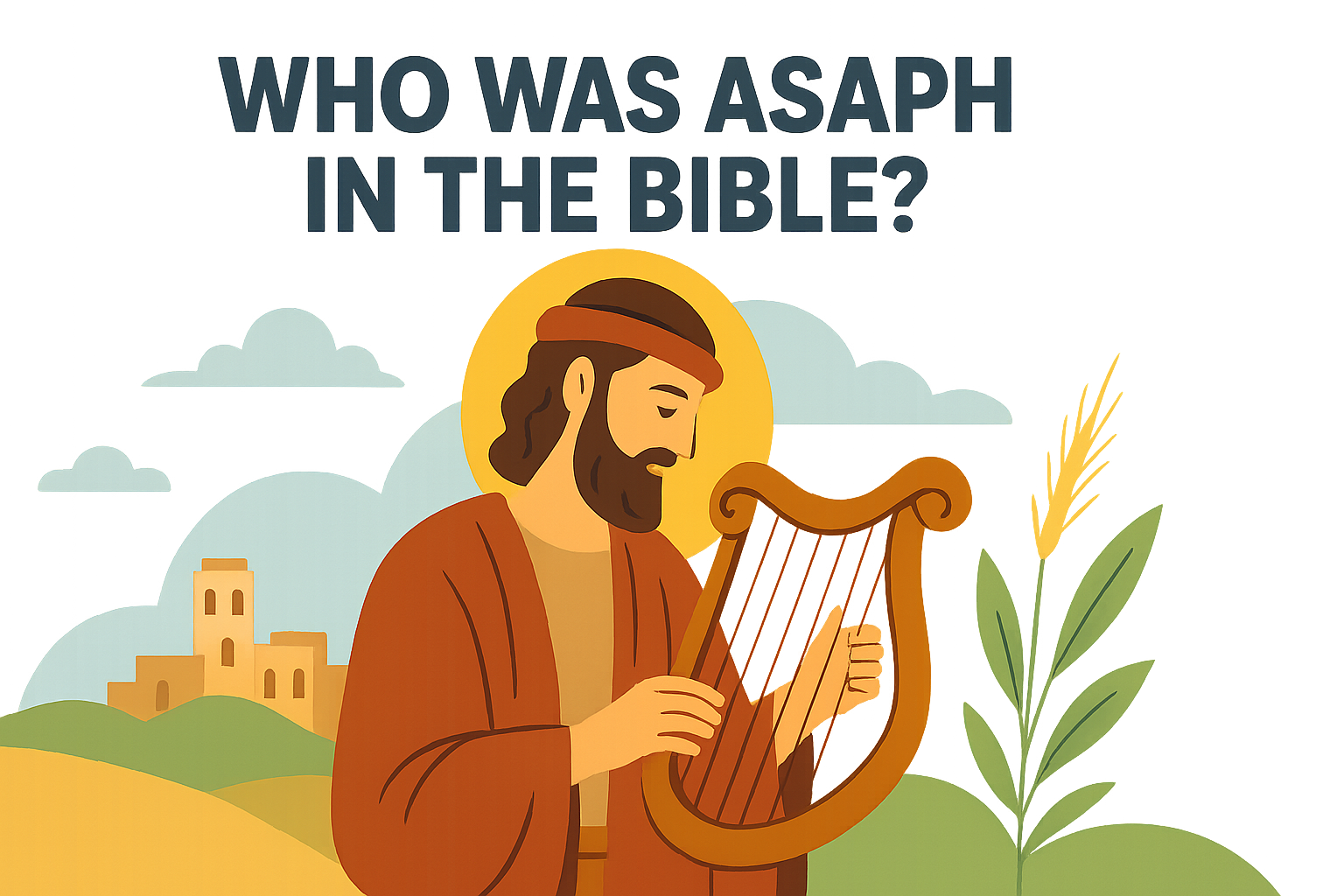
Asaph was a significant figure in the Bible, known primarily for his role as a musician and a songwriter during the time of King David. He was one of the leaders of the Levite singers and is traditionally credited with writing several Psalms, which are part of the Book of Psalms in the Old Testament. His contributions to worship and music were vital in establishing the spiritual atmosphere of ancient Israel.
Asaph is mentioned in various passages, particularly in 1 Chronicles, where his lineage and responsibilities are outlined. He is often associated with themes of worship, prophecy, and reflection on God’s justice and mercy.
Asaph’s Role in the Worship of Israel
Asaph’s primary role was as a chief musician during the reign of King David. The Bible details how David organized the worship service in the Tabernacle, and Asaph was appointed to lead the music. This is highlighted in 1 Chronicles 16:4-7, where David assigns Asaph and his brothers to give thanks to the Lord and to prophesy through music.
Asaph’s musical leadership was crucial during significant events, such as the bringing of the Ark of the Covenant to Jerusalem. The Ark represented God’s presence with His people, and the worship led by Asaph helped to create a celebratory atmosphere. His role emphasized the importance of music in Israel’s worship, highlighting how it served as a means of connecting with God.
The Lineage of Asaph
Asaph was a descendant of Levi, one of the twelve tribes of Israel. Specifically, he was a son of Berachiah and part of the family of Gershom, a branch of the Levites. This lineage is important because the Levites were set apart for sacred duties, including temple service and music. In 1 Chronicles 6:39, Asaph’s heritage is mentioned, confirming his rightful place in the priestly line, which was responsible for worship in the Tabernacle and later in the Temple.
Understanding Asaph’s background helps to appreciate the significance of his contributions. As a Levite, he was not only trained in music but also in the spiritual practices of Israel, allowing him to compose songs that reflected the heart of God and the experiences of His people.
Asaph and the Psalms
Asaph is traditionally credited with writing twelve Psalms, which are primarily found in Book 73 to 83. These psalms often reflect deep emotional themes, including lament, worship, and a longing for justice. For example, Psalm 73 begins with a struggle over the prosperity of the wicked compared to the suffering of the righteous. Asaph candidly expresses his feelings of confusion and doubt before ultimately reaffirming his faith in God’s justice.
“But as for me, I almost lost my footing. My feet were slipping, and I was almost gone.” (Psalm 73:2 NLT)
This verse captures Asaph’s vulnerability and honesty, making his writings relatable to anyone who has grappled with similar feelings. His psalms often lead to profound conclusions about God’s faithfulness, mercy, and sovereignty, demonstrating his deep understanding of God’s character.
The Prophetic Aspect of Asaph’s Writings
Asaph’s contributions went beyond mere music; they had a prophetic quality. Many of his psalms include themes of warning and calls to repentance. In Psalm 50, for instance, he speaks on behalf of God, admonishing His people about their empty rituals and urging them to return to genuine worship.
This prophetic voice is significant in the context of Israel’s history. Asaph’s messages were a reminder that God desires heartfelt worship rather than mere outward expressions. His ability to blend music with prophecy underscores the vital role of artists and musicians in conveying spiritual truths.
The Legacy of Asaph
The legacy of Asaph extends beyond his lifetime. His descendants continued to serve in the Temple as musicians and worship leaders. In Nehemiah 12:46, it is noted that the singers were descendants of Asaph, highlighting the enduring impact of his family’s contributions to worship in Israel.
Asaph’s influence can still be seen today in the way worship music is an integral part of Christian practice. His psalms continue to resonate with believers, as they express the full range of human emotions in relation to God. The themes of praise, lament, and trust found in his writings are timeless and continue to inspire worshippers.
Conclusion: Asaph’s Importance in the Biblical Narrative
In summary, Asaph was a key figure in the Bible whose role as a musician and songwriter helped shape the worship practices of ancient Israel. His lineage as a Levite, his contributions to the Psalms, and his prophetic messages all underscore his importance in the biblical narrative. Understanding who Asaph was provides insight into the significance of music and worship in the life of God’s people, illustrating how these elements are essential to their relationship with Him.
Asaph’s Influence on Worship Practices
Asaph’s influence on worship practices in ancient Israel cannot be overstated. His role as a chief musician in the Tabernacle established a model for future worship leaders and musicians. The structured approach to worship that Asaph helped establish was not just about music; it was a holistic experience that engaged the community in expressing their devotion to God.
During festivals and significant religious gatherings, Asaph would lead the Levite singers, creating a vibrant atmosphere of celebration and reverence. The Psalms attributed to him not only served as songs of worship but also as instructional materials for the people of Israel. They guided the manner in which worship was conducted, emphasizing the importance of sincerity and heartfelt devotion in approaching God.
This model of worship continued to evolve and influence later practices in both the Second Temple period and early Christian gatherings. Asaph’s legacy can be seen in the way worship is structured today, where music plays a fundamental role in connecting the congregation to God.
Theological Themes in Asaph’s Writings
Asaph’s psalms are rich with theological themes that explore the nature of God, human suffering, and the hope for redemption. For instance, Psalm 73 delves into the problem of evil and the apparent prosperity of the wicked, leading to a profound theological reflection on God’s ultimate justice. This theme resonates deeply with believers who face similar struggles in their lives.
In Psalm 77, Asaph reflects on the faithfulness of God in times of distress, recounting the history of God’s mighty acts. This psalm serves as a reminder that remembering God’s past deeds can provide comfort and assurance during difficult times. Such reflections encourage believers to trust in God’s unchanging nature, even when circumstances seem bleak.
Moreover, Asaph often emphasizes the importance of community in worship. His psalms call for collective participation in praising God, highlighting that worship is not merely an individual act but a communal experience. This understanding fosters unity among believers, reminding them that they are part of a larger story of faith and worship.
Asaph’s Role in Israel’s History
Asaph lived during a pivotal time in Israel’s history, marked by significant political and spiritual developments. His contributions came during the reign of David, a time when Israel was being united as a nation under God. David’s desire to bring the Ark of the Covenant to Jerusalem symbolized not only the centralization of worship but also a renewed commitment to living in accordance with God’s will.
Asaph’s music and prophetic words were instrumental in reinforcing this commitment. His psalms often called the people to remember their covenant with God and to uphold justice and righteousness in their lives. In this way, Asaph served as both a spiritual leader and a cultural influencer, shaping the moral and spiritual fabric of Israel.
Asaph and the Future of Worship
The legacy of Asaph extends beyond his immediate contributions. His descendants, known as the sons of Asaph, continued his tradition of musical leadership and prophetic ministry. They played a crucial role in the worship of the Second Temple, ensuring that Asaph’s influence endured throughout generations.
This continuity emphasizes the importance of mentorship and the passing down of spiritual practices within the community. Asaph’s commitment to worship and his understanding of God’s character set a precedent for future generations, encouraging them to engage in sincere worship and to be mindful of their spiritual heritage.
Questions for Reflection
As we consider Asaph’s life and contributions, several meaningful questions arise: How can we incorporate the themes found in Asaph’s psalms into our own worship practices today? In what ways can we encourage a communal approach to worship that reflects the unity emphasized by Asaph? How can we address the struggles of faith and doubt that Asaph so openly expressed in his writings?
Engaging with these questions can deepen our understanding of worship and inspire us to seek a more authentic connection with God, just as Asaph did. His example encourages us to be honest in our worship, to express our doubts and fears, and to ultimately reaffirm our faith in God’s goodness and justice.
Final Thoughts on Asaph’s Significance
Asaph remains a significant figure in biblical history due to his multifaceted contributions as a musician, songwriter, and prophet. His legacy continues to inspire modern worship practices and encourages believers to engage with God authentically. By exploring Asaph’s life and writings, we gain insight into the vital role of music and worship in building a relationship with God and the importance of community in this journey. As we reflect on Asaph’s example, may we strive to express our faith through worship that honors God and uplifts one another.
For further insights into the role of music in worship, you can explore how worship music shapes the Christian experience and learn more about the significance of the Psalms in daily life.