
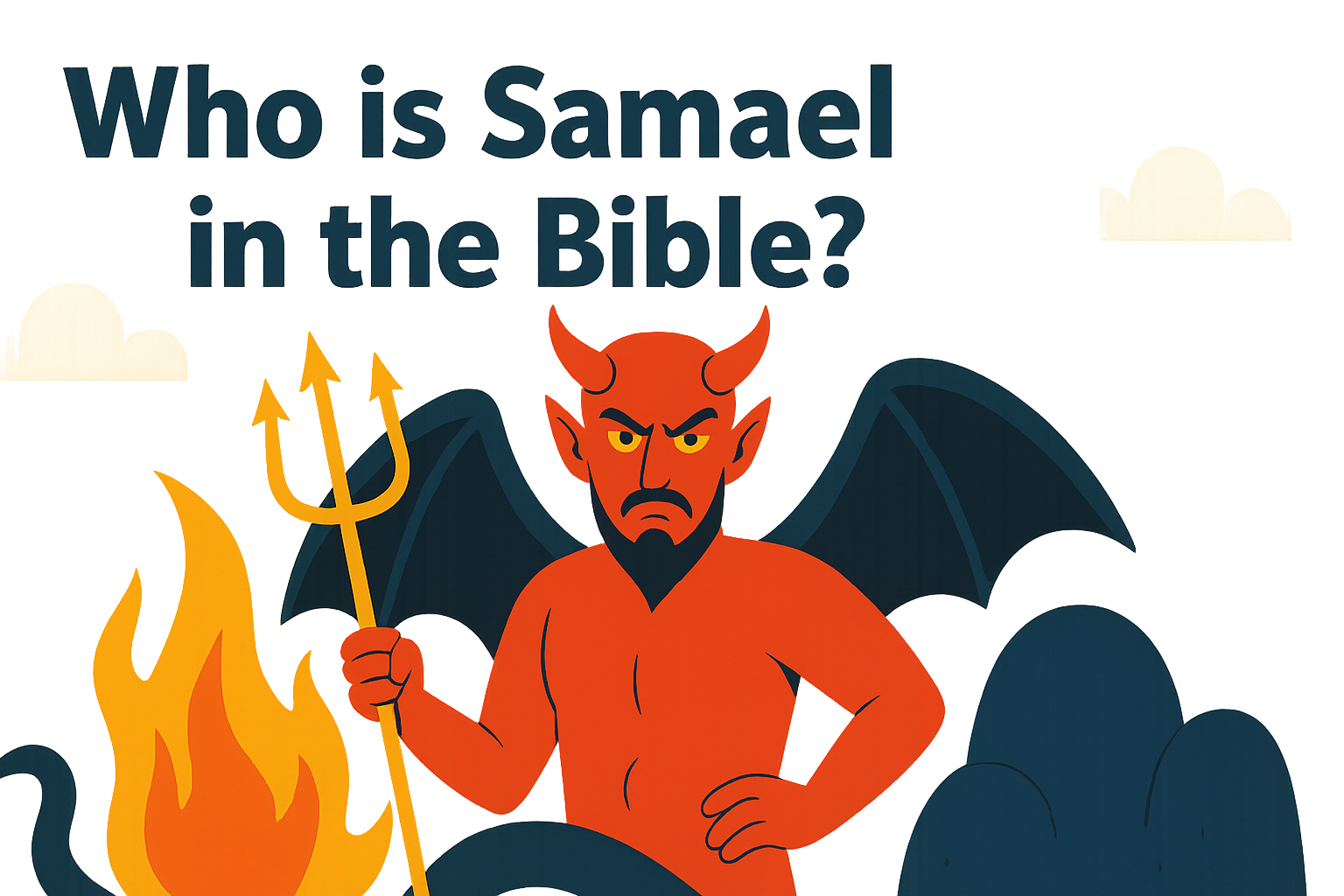
Samael is a figure that appears in various religious texts and traditions, but he is not explicitly mentioned in the canonical Bible. In Jewish mysticism, particularly within Kabbalistic teachings, Samael is often depicted as an archangel or a fallen angel associated with severity and judgment. While some interpretations link him to the serpent in the Garden of Eden, the Bible does not provide a clear characterization of Samael.
In contrast, the Bible does discuss various angels, demons, and spiritual beings, but Samael is not specifically named. This absence can lead to confusion regarding his role and nature. Instead, Samael’s identity is shaped more by tradition and interpretation than by direct biblical text.
Origins of the Name Samael
The name “Samael” has roots in Hebrew, where it is often understood to mean “poison of God” or “venom of God.” This duality reflects his complex nature as both a force of divine judgment and a symbol of temptation or evil. In some Kabbalistic texts, Samael is associated with the sephirot of severity, representing God’s strict justice.
Samael in Jewish Mysticism
In Jewish mysticism, particularly in texts such as the Zohar, Samael is portrayed as an angelic figure who plays a role in the balance of good and evil. He is often depicted as a tempter, akin to the serpent in the Garden of Eden, who led Eve to eat from the forbidden tree. This association with temptation reinforces the idea of Samael as a necessary counterpart to divine mercy.
“Samael is considered the angel of death, serving as a reminder of mortality and the consequences of sin.”
Samael and the Garden of Eden
While the Bible does not name Samael, some interpretations suggest he may be linked to the serpent mentioned in Genesis 3. This serpent tempts Eve to eat from the Tree of Knowledge, leading to the fall of humanity. In this context, Samael embodies the darker aspects of creation and serves as a catalyst for humanity’s choice between good and evil.
The biblical account in Genesis describes how the serpent was “more cunning than any of the wild animals the Lord God had made” (Genesis 3:1, NLT). This characterization aligns with the traditional view of Samael as a deceiver. However, it is essential to recognize that this identification is not explicitly stated in the scripture and stems from later interpretations.
Samael in Gnosticism and Other Traditions
Samael also appears in Gnostic texts, where he is often depicted as a demiurge—a creator god who is ignorant or malicious. In these writings, Samael is sometimes seen as a flawed deity who traps souls in the material world. This perspective contrasts sharply with the Judeo-Christian view of God as benevolent and omniscient.
The Role of Samael in Gnostic Beliefs
In Gnostic belief systems, Samael is frequently described as a blind god (often referred to as “Yaldabaoth”) who mistakenly believes himself to be the ultimate deity. This misunderstanding leads to the creation of an imperfect world filled with suffering. Gnostics view the material realm as a prison for the soul, and Samael is often blamed for the flawed state of existence.
This interpretation diverges significantly from traditional Judeo-Christian teachings, which affirm God’s sovereignty and goodness. The Gnostic view of Samael reflects a dualistic belief system, where good and evil are in constant conflict, contrasting with the more unified view of God’s nature in mainstream Christianity.
Connections to Other Biblical Figures
In some traditions, Samael is linked to other biblical figures, such as the angel of death. This connection emphasizes his role as a harbinger of judgment and mortality. In this context, Samael is not merely a tempter but a figure that embodies the consequences of sin and the inevitability of death.
- Angel of Death: Samael is sometimes referred to as the angel of death, tasked with taking the souls of the deceased. This role aligns with his association with divine judgment.
- Adversary: Similar to Satan, Samael is viewed as an adversarial figure, challenging humanity and testing their faith.
- Symbol of Judgment: His presence serves as a reminder of the need for repentance and the consequences of straying from God’s commands.
Conclusion: The Complexity of Samael’s Identity
The figure of Samael is complex and multifaceted, representing various interpretations across different religious traditions. While he is not mentioned in the canonical Bible, his associations with temptation, judgment, and mortality reflect a broader understanding of the spiritual struggle between good and evil. Understanding Samael requires an exploration of both biblical texts and the traditions that have shaped his identity over centuries.
The Nature of Samael in Spiritual Warfare
In various religious traditions, Samael is often linked to the concept of spiritual warfare. This notion posits that spiritual beings, whether angels or demons, are engaged in a constant battle for the souls of humanity. Samael’s role as a tempter and adversary places him squarely within this framework. His influence encourages believers to remain vigilant against sin and temptation.
The idea of spiritual warfare is prevalent in both the Old and New Testaments. For instance, Ephesians 6:12 speaks of a struggle “not against flesh and blood, but against the rulers, against the authorities, against the powers of this dark world and against the spiritual forces of evil in the heavenly realms” (NIV). While Samael is not named, the presence of evil forces challenges believers to stand firm in their faith, much like the traditional understanding of Samael as a figure testing human resolve.
Theological Implications of Samael
Understanding Samael’s role can lead to deeper theological discussions about the nature of evil and free will. If we accept the interpretation of Samael as a tempter, it raises questions about the extent of God’s sovereignty versus the presence of evil in the world. How does one reconcile the existence of a being like Samael with the belief in a good and omnipotent God? This inquiry can lead to various interpretations, including the idea that God allows such beings to exist to preserve human free will.
In Christian theology, free will is often seen as a gift from God, enabling individuals to choose between good and evil. Samael, as an embodiment of temptation, serves as a reminder of the choices that believers must make. The struggle against such forces can strengthen faith and lead to spiritual growth, reinforcing the belief that God is ultimately in control of all creation, including the activities of Samael.
Cultural Representations of Samael
Samael’s depiction has evolved across various cultures and artistic expressions. In literature, art, and popular media, he is often portrayed as a dark and alluring figure, symbolizing the seductive nature of sin. These representations reflect the duality of his character: as an angel of death, he embodies fear and judgment, while as a tempter, he represents the allure of forbidden knowledge and desire.
For example, in certain works of fiction and film, Samael is portrayed as a charismatic character who lures individuals into moral ambiguity. Such portrayals resonate with audiences’ understanding of temptation and the struggles faced in everyday life. This cultural lens can offer valuable insights into how humanity perceives the battle between good and evil.
Modern Interpretations of Samael
In contemporary spirituality, some view Samael as a symbol of inner conflict rather than a literal being. This interpretation suggests that Samael represents the darker aspects of human nature, such as pride, greed, and anger. By confronting these inner demons, individuals can achieve personal growth and spiritual enlightenment. This shift from viewing Samael solely as an external adversary to recognizing him as an internal struggle reflects a more psychological approach to understanding temptation and sin.
Questions for Further Reflection
As we explore the identity of Samael, several questions arise that can deepen our understanding of spiritual dynamics:
- How does the concept of Samael challenge your understanding of temptation and sin? Reflecting on this can help individuals identify areas in their lives where they may be susceptible to temptation.
- What role does free will play in your faith journey? Considering how free will interacts with the existence of beings like Samael can lead to a more nuanced understanding of personal responsibility.
- How can the lessons from Samael’s story be applied to modern spiritual practices? Engaging with this question can inspire believers to develop strategies for resisting temptation and strengthening their faith.
Conclusion: Understanding Samael’s Legacy
Although Samael is not explicitly mentioned in the Bible, his significance in various religious traditions and interpretations is profound. As a figure embodying temptation, judgment, and the complexities of human nature, Samael invites believers to reflect on their spiritual journeys. By examining the multifaceted nature of Samael, one can gain insights into the ongoing struggle between good and evil, the importance of free will, and the necessity of spiritual vigilance.
Engaging with questions about Samael not only enriches our understanding of this figure but also encourages personal reflection and growth in faith. The exploration of Samael’s identity serves as a reminder of the complexities of spirituality and the importance of seeking wisdom in the face of temptation and moral challenges.
For a deeper dive into the complexities of spiritual warfare, consider reading about the nature of angels and demons in the Bible. You can explore this further in the articles on the role of angels in spiritual matters and the concept of evil in Christian theology.