
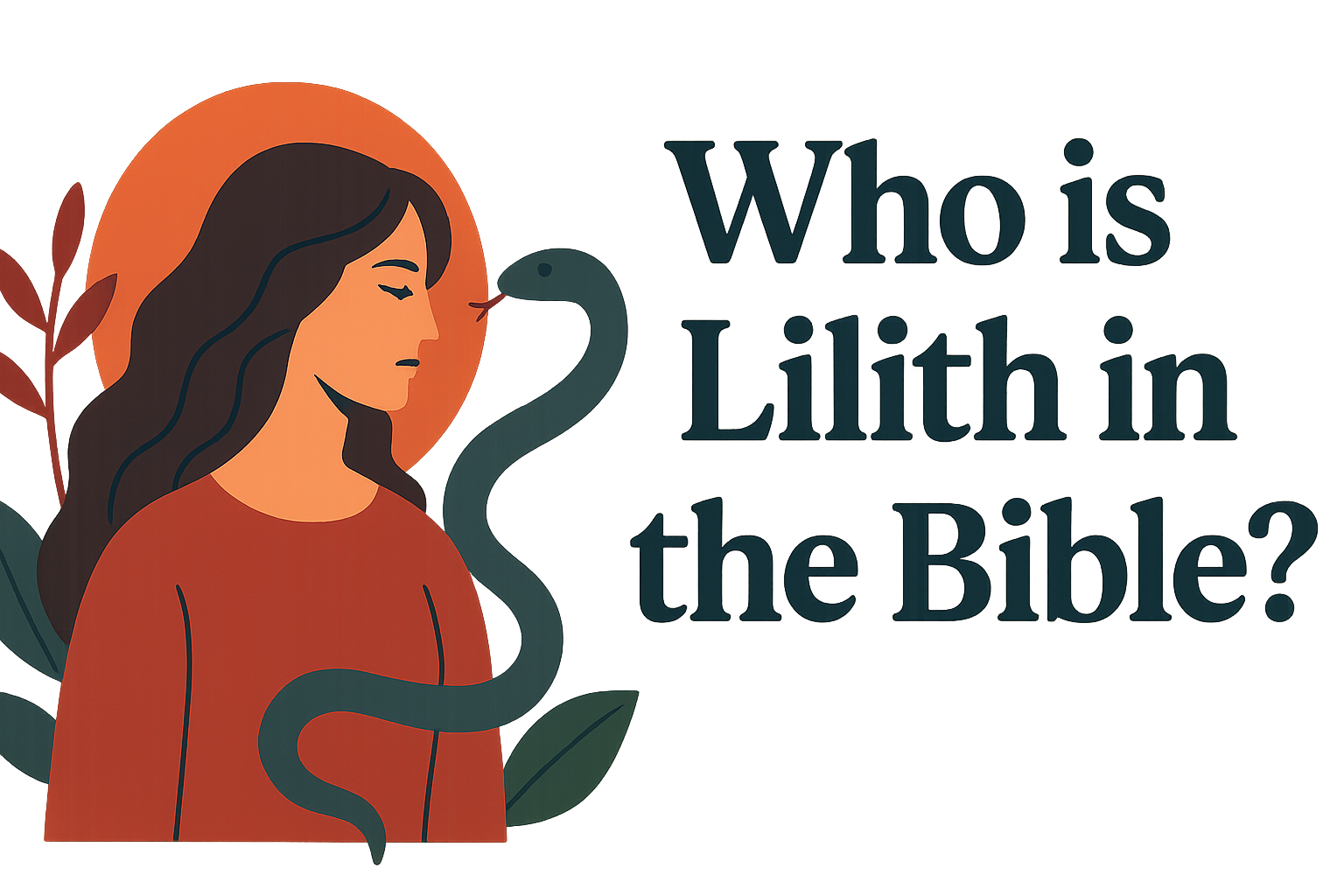
Lilith is a figure often associated with various interpretations and myths but is not explicitly mentioned in the canonical texts of the Bible. The most notable reference to Lilith comes from an ancient Jewish text known as the Alphabet of Ben-Sira, which is not part of the biblical canon. In this text, Lilith is described as the first wife of Adam, created at the same time and from the same earth as he was, unlike Eve, who was created from Adam’s rib.
In the Bible, the closest mention of Lilith occurs in Isaiah 34:14, where the term “lilith” is translated as “night creature” or “screech owl” in various translations. This reference is ambiguous and has led to much debate among scholars and theologians regarding its meaning and implications.
Lilith in Jewish Tradition
Jewish folklore and tradition have developed a rich narrative around Lilith that extends beyond the biblical text. The Alphabet of Ben-Sira, composed in the Middle Ages, portrays Lilith as a rebellious figure who left Adam because she did not want to submit to him. According to this legend, after leaving the Garden of Eden, Lilith became a demon who preyed on newborn children and women in childbirth.
The Creation of Lilith
The story of Lilith’s creation suggests that she was made from the same material as Adam, which is a key aspect of her identity. This equality is said to have led to conflict between them. Lilith’s refusal to become subservient to Adam resulted in her departure from the Garden. This narrative highlights themes of gender roles and independence, which resonate throughout various interpretations of the story.
Lilith as a Symbol
In later Jewish mysticism, particularly in Kabbalistic texts, Lilith is often depicted as a symbol of the dangerous and uncontrolled aspects of femininity. She embodies the fear of women who defy societal expectations and challenge male authority. This interpretation has influenced various cultural representations of Lilith as a figure of seduction and rebellion.
Biblical References and Interpretations
The only biblical mention that may relate to Lilith is found in Isaiah 34:14. In this passage, the context describes a desolate land filled with creatures associated with desolation and darkness. The term “lilith” appears in some translations, leading to various interpretations:
- Night Creature: Many scholars argue that “lilith” refers to a type of night creature or owl, emphasizing the desolate and eerie nature of the land being described.
- Demon or Spirit: Some interpretations suggest that the term refers to a demon or spirit associated with the night, which aligns with later Jewish folklore about Lilith.
- Symbol of Desolation: In the broader context of Isaiah 34, the mention of Lilith can be seen as a symbol of desolation, reflecting the destruction and abandonment of the land.
Contemporary Interpretations
In modern times, Lilith has been reinterpreted in various cultural and feminist contexts. She is often viewed as a symbol of female empowerment and resistance against patriarchal structures. Writers and artists have embraced the figure of Lilith to explore themes of autonomy, sexuality, and the complexities of womanhood.
Feminist Perspectives
Feminist interpretations of Lilith highlight her defiance against the traditional roles assigned to women. By leaving Adam and rejecting subservience, Lilith is seen as a figure who embodies the struggle for independence and self-identity. This has led to the reclamation of her image as a powerful woman rather than a demon.
Literature and Popular Culture
Lilith has also made her way into literature, art, and popular culture. She appears in various forms, from poetry to music, often representing themes of rebellion and the darker aspects of femininity. This cultural presence reflects ongoing conversations about gender, power, and the roles women play in society.
Conclusion on Lilith’s Role
While Lilith does not have a prominent role in the Bible, her story and the interpretations surrounding her have significantly influenced Jewish folklore and contemporary discussions about gender. The ambiguity of her biblical mention has allowed for diverse interpretations and adaptations in various cultural contexts. Understanding Lilith requires examining both her literary origins and the layers of meaning that have developed around her character throughout history.
The Historical Context of Lilith
To understand Lilith’s significance, it is essential to consider the historical context in which her story evolved. The concept of a female figure challenging patriarchal norms is not unique to Jewish tradition. Many ancient cultures featured similar characters that represented feminine power and independence. The myth of Lilith emerged during a time when women were often viewed through the lens of subservience and domesticity, making her story particularly resonant.
Comparative Mythology
In various mythologies, we find parallels to Lilith’s character. For instance, figures like the Sumerian goddess Lilitu and the Babylonian demoness Lamashtu share traits with Lilith, as they are both associated with the night and possess a threatening aspect toward men and children. These stories reflect the universal fear of female power and the potential for women to disrupt societal norms. Such parallels suggest that Lilith’s narrative was shaped by a broader cultural discourse on femininity and power.
The Role of Women in Ancient Society
The portrayal of Lilith as a rebellious figure can also be seen as a response to the societal expectations of women in ancient times. In a patriarchal society, women’s roles were often confined to motherhood and domestic duties. Lilith’s story challenges these confines, presenting a woman who asserts her autonomy and chooses her own path. This theme resonates with many modern audiences who continue to grapple with issues of gender equality and empowerment.
Modern Theological Perspectives
The figure of Lilith has sparked interest among theologians and scholars who explore her implications within the context of biblical teachings. Some argue that the absence of a clear biblical narrative about Lilith invites a re-examination of female figures in scripture. This exploration can lead to a richer understanding of the roles women play in biblical stories and how those roles can be interpreted in contemporary contexts.
Gender and Theology
The study of Lilith encourages discussions about gender in theological settings. Many theologians advocate for a more inclusive interpretation of scripture, one that acknowledges women’s contributions and struggles. By examining figures like Lilith, scholars can challenge traditional interpretations that have historically marginalized women. This engagement with gender issues in theology can foster a more holistic understanding of the Bible’s teachings.
Lessons from Lilith
While Lilith’s story may not be explicitly biblical, it serves as a catalyst for discussions on autonomy, identity, and the complexities of womanhood. Her refusal to conform to expectations can inspire individuals to embrace their identities fully and challenge oppressive structures. Lilith’s narrative invites readers to reflect on their own lives, the roles they occupy, and the societal norms they encounter.
Questions for Reflection
Considering the multifaceted interpretations of Lilith, several questions arise that can deepen our understanding of her significance:
- What does Lilith’s story reveal about the societal expectations of women in ancient times? Exploring this question can help illuminate the historical context of gender roles.
- How can Lilith be viewed as a symbol of empowerment in modern discussions about gender equality? Reflecting on this can foster conversations about the reclamation of female narratives.
- In what ways can Lilith’s story inform contemporary theological discussions about women in the church? This question encourages engagement with gender issues within faith communities.
- How do cultural representations of Lilith in literature and art reflect ongoing societal attitudes toward femininity? This inquiry can lead to a deeper understanding of how myths adapt over time.
Conclusion on Lilith’s Legacy
Lilith’s legacy is one of complexity and duality. Although she is not a prominent figure in the Bible, her story has evolved into a powerful symbol of resistance and independence. The interpretations surrounding her character provide valuable insights into the historical and cultural dynamics of gender. As our understanding of Lilith continues to grow, she remains a relevant figure in discussions about femininity, empowerment, and the ongoing struggle for equality. Embracing Lilith’s narrative allows for a broader conversation about the roles women play in both religious and cultural contexts, encouraging a more inclusive perspective on history and theology.
For further exploration of gender roles in biblical texts, visit this article about women in the Bible. To understand more about how contemporary culture interprets biblical figures, check out this article on modern interpretations of scripture.