
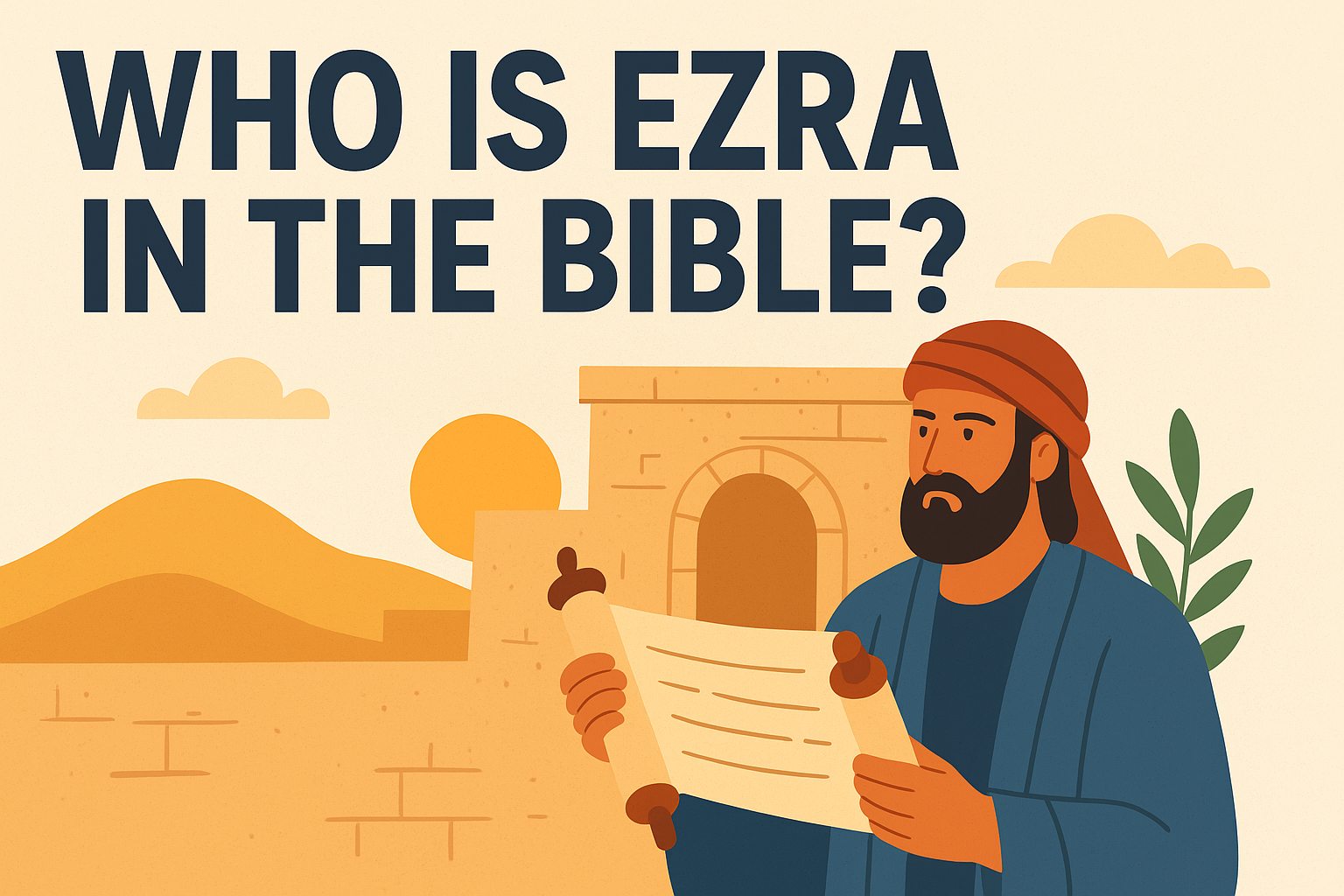
Ezra is a significant figure in the Bible, known primarily as a priest and scribe who played a crucial role in the restoration of the Jewish community after the Babylonian exile. He is often associated with the return of the Jewish people to Jerusalem and the reestablishment of the Law of Moses among them. His story is primarily documented in the Book of Ezra, which is part of the Old Testament.
Ezra is recognized for his commitment to teaching and upholding the Law, as well as for leading a group of exiles back to Jerusalem. His leadership was pivotal during a time of rebuilding both the physical temple and the spiritual lives of the Jewish people.
Background and Historical Context
To understand who Ezra is, it’s essential to grasp the historical context in which he lived. Ezra lived during the 5th century BC, a time when the Jewish people were returning to Jerusalem after decades in Babylonian captivity. The Babylonian exile began in 586 BC when Jerusalem was conquered, and many Jews were taken to Babylon. This period lasted until the Persian Empire, under King Cyrus, allowed the Jews to return to their homeland around 538 BC.
Ezra’s return to Jerusalem occurred approximately 80 years after the first group of exiles returned under Zerubbabel. This later return, detailed in Ezra 7, was motivated by a desire to restore the worship of Yahweh and to re-establish the community’s identity based on the Law.
Ezra’s Role as a Priest and Scribe
Ezra is described as both a priest and a scribe, which is significant for his role in the Jewish community. As a priest, he belonged to the lineage of Aaron, the brother of Moses, which gave him authority in religious matters. Being a scribe meant that he was learned in the Law of Moses and well-versed in the Scriptures. This dual role positioned him as a leader who could both teach the Law and perform religious rituals.
In Ezra 7:10, it states, “This was because Ezra had determined to study and obey the Law of the Lord and to teach those decrees and regulations to the people of Israel.” This verse highlights his dedication to understanding and teaching the Law, emphasizing his importance in guiding the people spiritually.
The Journey Back to Jerusalem
Ezra’s journey back to Jerusalem is a significant event in his life. He led a group of about 1,500 men, along with their families, back to Jerusalem from Babylon. This journey is described in Ezra 8, where Ezra expresses his reliance on God for protection during the trip. Instead of asking the Persian king for an armed escort, Ezra chose to trust in God, saying, “Our God protects all those who worship him, but his anger rages against those who abandon him” (Ezra 8:22). This decision illustrates his faith and commitment to God.
The trip itself was arduous, covering about 900 miles through treacherous terrain. Despite the challenges, Ezra’s leadership and faith were instrumental in ensuring the safe return of the exiles.
Rebuilding the Community and the Temple
Upon arriving in Jerusalem, Ezra found a community that had struggled to maintain its identity and religious practices during the exile. The temple had been rebuilt, but the people still faced challenges in adhering to the Law. Ezra’s primary focus was on restoring proper worship and teaching the people about their covenant with God.
One of the first actions Ezra took was to gather the people and read the Law to them. This event is recorded in Nehemiah 8, where Ezra stands on a platform and reads from the Scriptures. This public reading was a significant moment for the community, as it helped them reconnect with their heritage and understand their responsibilities as God’s chosen people.
Ezra’s Reforms and Leadership
Ezra’s leadership extended beyond merely teaching the Law; he also implemented reforms to address the moral and social issues within the community. One of the most notable reforms was addressing intermarriage between the Israelites and foreign nations, which was seen as a threat to their religious identity. In Ezra 10, he leads the people in a confession of their sins and a commitment to separate from these foreign marriages, demonstrating his dedication to maintaining the purity of the community.
His actions were not without controversy, as they required difficult decisions that impacted many families. However, Ezra’s reforms were aimed at restoring the community’s covenant relationship with God and ensuring they remained faithful to their identity as His people.
Ezra’s Legacy
Ezra’s legacy is profound, as he is often credited with laying the foundation for the Jewish religious life that would continue for centuries. His emphasis on the Law and the Scriptures helped shape Judaism during the Second Temple period and beyond. The practices of reading and interpreting the Scriptures, which became central to Jewish worship, were significantly influenced by Ezra’s efforts.
His life and work exemplify the importance of leadership, faith, and commitment to God’s Word. Through his actions, Ezra not only helped rebuild the physical temple but also revitalized the spiritual life of the Jewish people, ensuring that they remained faithful to their covenant with God.
Ezra’s Role in the Restoration of the Jewish Identity
Ezra’s influence extended far beyond mere leadership; he was pivotal in the re-establishment of Jewish identity after the Babylonian exile. During the years of captivity, many Jews had assimilated into Babylonian culture, which threatened their distinct religious and cultural identity. Ezra sought to restore this identity by emphasizing the importance of the Law and the covenant relationship with God.
His return to Jerusalem was a clarion call for the Jewish people to remember their heritage and the commandments that defined them as a nation. By teaching the Law and leading the community in worship, Ezra helped to reforge a collective identity rooted in the Scriptures. This process was essential not only for the spiritual revival of the people but also for their social cohesion as they faced the challenges of rebuilding their lives in Jerusalem.
The Role of the Torah in Ezra’s Ministry
Central to Ezra’s mission was the Torah, the first five books of the Bible, which he held in high esteem. He recognized the Torah as the foundation for ethical living and community governance. By restoring the reading and adherence to the Law, Ezra instilled a sense of order and direction among the people.
Ezra’s public reading of the Law in Nehemiah 8 was a watershed moment. It was not merely a recitation but an event that brought the community together in a shared experience of worship and learning. As the people listened attentively, they were reminded of their history, their covenant with God, and their responsibilities as His chosen people. This moment marked a revival of faith, leading to a renewed commitment to follow the commandments and live righteously.
Ezra’s Relationship with Nehemiah
Ezra’s story is often intertwined with that of Nehemiah, who was a governor and also played a crucial role in the restoration of Jerusalem. While Ezra focused on spiritual renewal through the Law, Nehemiah concentrated on rebuilding the city’s walls and infrastructure. Together, their complementary leadership helped to rebuild not only the physical structures but also the spiritual and social fabric of the Jewish community.
The collaboration between Ezra and Nehemiah is significant, as it illustrates the importance of both spiritual and practical leadership in times of crisis. Their combined efforts were instrumental in establishing a strong foundation for the Jewish people as they rebuilt their lives in Jerusalem.
Ezra’s Influence on Later Jewish Thought
Ezra’s impact on Judaism cannot be overstated. His emphasis on the Law laid the groundwork for the development of the synagogue as a central place of worship and learning. This shift from temple-based worship to community-centered gatherings allowed the Jewish faith to flourish even in times of diaspora.
Moreover, Ezra’s role as a scribe established the importance of biblical scholarship. His dedication to studying and teaching the Scriptures set a precedent for future generations of Jewish leaders and scholars. The practices of interpreting the Law and engaging with the Scriptures that emerged during Ezra’s time continue to be fundamental to Jewish religious life today.
Questions for Reflection
Considering Ezra’s life and contributions, several questions arise that can deepen our understanding of his significance:
- How can Ezra’s commitment to the Law inspire modern believers in their own faith journeys?
- What lessons can we learn from Ezra’s leadership style in addressing moral and social issues within our communities today?
- In what ways does the emphasis on Scripture in Ezra’s ministry challenge contemporary views on the role of religious texts in society?
- How does Ezra’s story inform our understanding of the importance of cultural and spiritual identity in a diverse world?
Conclusion: Ezra’s Enduring Legacy
Ezra stands out as a remarkable figure in the Bible, not only for his role as a priest and scribe but also for his unwavering commitment to the spiritual revival of the Jewish people. His efforts in teaching the Law, restoring worship, and re-establishing community identity have left an indelible mark on Judaism and continue to resonate with believers today.
His legacy serves as a reminder of the power of faith, leadership, and the transformative impact of God’s Word. In a world that often seeks to dilute spiritual identity, Ezra’s life encourages us to remain steadfast in our commitment to God and to uphold the values that define us as His people. The lessons drawn from Ezra’s story challenge us to engage deeply with our faith and to lead with integrity and purpose in our communities.