
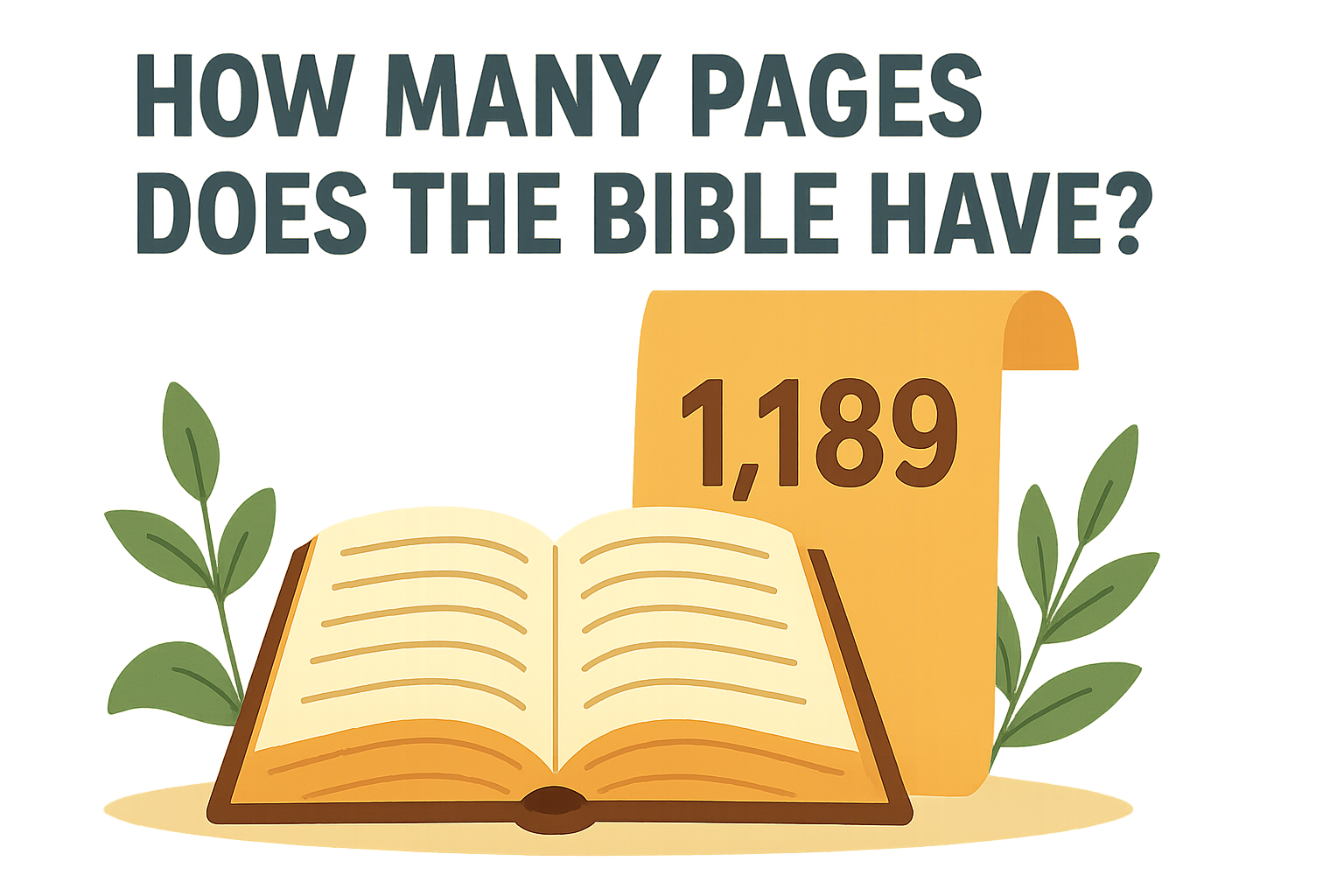
The number of pages in the Bible can vary widely based on several factors, including the specific translation, the size of the text, the formatting, and the type of binding. Generally, a standard print edition of the Bible contains anywhere from 1,000 to 1,500 pages. However, some editions may have more or fewer pages depending on these factors.
For instance, a compact or pocket-sized Bible may have fewer pages due to smaller print and condensed formatting, while a study Bible, which includes additional notes, maps, and commentary, may have significantly more pages, sometimes exceeding 2,000. It’s important to note that the number of pages does not necessarily reflect the depth or richness of the content within the Scriptures.
The Structure of the Bible
The Bible is divided into two main sections: the Old Testament and the New Testament. The Old Testament contains 39 books, while the New Testament has 27 books, totaling 66 books overall in most Christian traditions. The way these books are formatted and presented can affect the total page count.
Old Testament
The Old Testament includes a variety of literary genres, including history, poetry, law, and prophecy. It begins with the Creation narrative in Genesis and ends with the prophetic books, such as Malachi. Notable books include:
- Genesis: The first book, detailing creation, the patriarchs, and the beginnings of Israel.
- Exodus: Chronicles the Israelites’ escape from Egypt and the giving of the Law.
- Psalms: A collection of songs and prayers, expressing a range of human emotions.
- Isaiah: A major prophetic book that speaks of judgment and hope.
Because the Old Testament contains many long narratives and laws, it often takes up a significant portion of the Bible’s total page count.
New Testament
The New Testament focuses on the life and teachings of Jesus Christ and the early church. It includes:
- The Gospels: Matthew, Mark, Luke, and John, each offering a unique perspective on Jesus’ life.
- Acts: A historical account of the early church after Jesus’ ascension.
- Epistles: Letters written by Paul and other apostles to encourage and instruct early Christians.
- Revelation: A prophetic book that describes visions of the end times.
The New Testament is generally shorter than the Old Testament but is rich in theological insights and practical teachings, contributing to its overall page count as well.
Factors Influencing Page Count
Several factors can influence how many pages a Bible contains. Here are some of the key considerations:
Translation
Different translations of the Bible can affect the page count. For example, more literal translations like the English Standard Version (ESV) may require more pages due to the use of longer phrases to maintain accuracy. In contrast, more dynamic translations like the New Living Translation (NLT) might condense ideas into fewer pages.
Formatting
The layout of the text, including font size and line spacing, can also impact the number of pages. A Bible with larger print for easier reading will naturally have more pages than a compact version with smaller print. Margins, footnotes, and additional commentary can further expand page counts.
Study Bibles vs. Regular Bibles
Study Bibles, which include commentary, maps, and notes for deeper understanding, can significantly increase the total number of pages. These editions are designed to provide context and insight into the Scriptures, making them valuable for those who wish to study the Bible in greater depth.
Comparing Different Editions
When considering the number of pages in the Bible, it can be helpful to look at a few common editions:
- Standard Bible: A typical trade edition might have around 1,200 pages.
- Compact Bible: These editions may have about 800 pages due to smaller print and condensed formatting.
- Study Bible: A comprehensive study Bible could exceed 2,000 pages, offering extensive notes and resources.
Each of these editions serves different purposes and audiences, highlighting the versatility of the Bible as a text.
Conclusion
In summary, the number of pages in the Bible varies based on translation, formatting, and edition. While most standard editions range from 1,000 to 1,500 pages, specialized versions like study Bibles can have significantly more. Understanding these factors can help readers choose the right Bible for their needs.
The Importance of Page Count in Context
While the number of pages in the Bible can be a practical detail, understanding its significance in context is essential. The page count is not just a measure of length; it reflects the richness of the text and the diverse ways in which the Bible can be engaged. For many readers, the Bible serves as a source of spiritual guidance, historical insight, and moral instruction, all of which can be explored through its various editions and formats.
Impact on Reading Experience
The number of pages can influence how one approaches reading the Bible. A more extensive edition, such as a study Bible, offers a wealth of additional resources, which can enhance comprehension but may also feel overwhelming to new readers. Conversely, a compact Bible may be more accessible for those who are just beginning their journey with Scripture, allowing them to focus on the core text without distractions.
Spiritual Engagement
The choice of Bible edition can also affect how individuals engage with their faith. Some may prefer a study Bible for in-depth study and reflection, while others might choose a more straightforward text to facilitate daily devotionals without the added complexity of commentary. This choice reflects personal preferences, learning styles, and spiritual needs.
The Role of Bible Editions in Christian Tradition
Throughout history, different editions of the Bible have played significant roles in shaping Christian thought and practice. From the early manuscripts to the Gutenberg Bible, the evolution of the Bible’s format has influenced how communities understand and interpret Scripture.
The Historical Context of Bible Production
In the early centuries of Christianity, the Bible was hand-copied, making each manuscript unique and often quite lengthy. The invention of the printing press in the 15th century revolutionized access to Scripture, enabling wider distribution and standardization of texts. This shift contributed to the Reformation and the rise of various denominations, each with its interpretation and emphasis on certain biblical texts.
Modern Implications
Today, the availability of various Bible editions reflects the diverse theological perspectives within Christianity. Different denominations may favor specific translations or editions that align with their doctrinal beliefs. This diversity enriches the Christian tradition, allowing for various interpretations and applications of Scripture across cultures and contexts.
Choosing the Right Bible Edition
When selecting a Bible, understanding the implications of page count and edition can guide readers in finding the best fit for their needs. Here are some considerations to keep in mind:
- Purpose: Determine whether the Bible will be used for study, devotion, or casual reading. This can influence the choice between a study Bible, a devotional Bible, or a standard edition.
- Reading Level: Consider the readability of the translation and the size of the print. Some editions are designed for ease of reading, while others may require more concentration.
- Additional Features: Evaluate whether features like maps, concordances, or footnotes are necessary for your understanding of the text.
Questions for Further Reflection
As readers seek to understand the Bible more deeply, it can be helpful to reflect on several questions:
- What specific themes or messages do you hope to explore within the Bible?
- How does the format of your chosen Bible enhance or hinder your understanding of the text?
- In what ways do different translations shape your interpretation of Scripture?
- How can the additional resources in a study Bible aid in your spiritual growth?
Engaging with these questions can foster a more profound appreciation for the Scriptures and encourage a more thoughtful approach to reading and interpretation.
Final Thoughts
In conclusion, while the number of pages in the Bible is a relevant detail, it is essential to recognize the broader implications of this aspect. The Bible’s structure, the diversity of editions, and the historical context all contribute to its significance as a sacred text. Whether one chooses a compact edition for convenience or a comprehensive study Bible for in-depth exploration, the goal remains the same: to connect with the divine message contained within its pages. As you embark on your journey through the Scriptures, may your choice of Bible edition enrich your understanding and deepen your faith.