
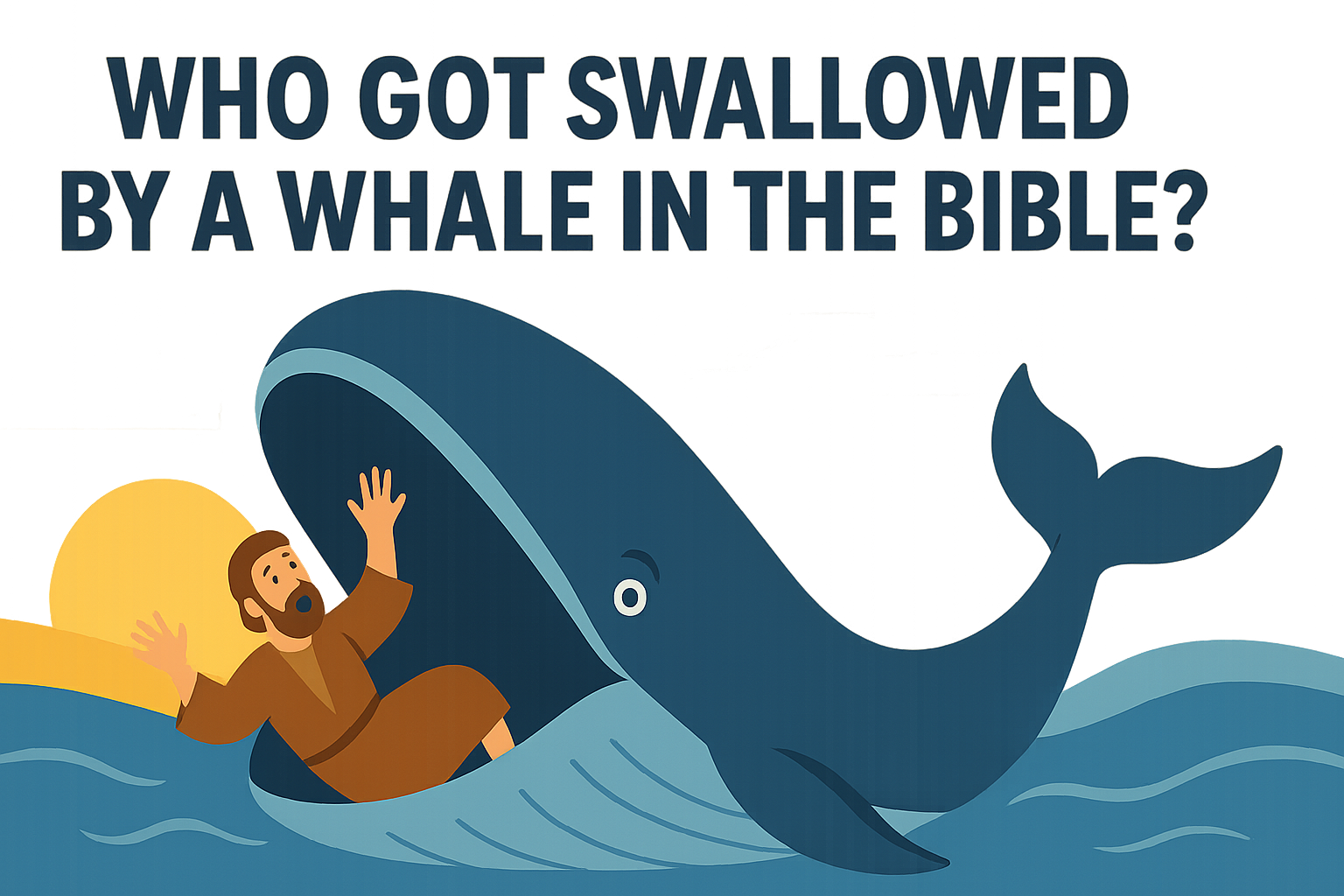
In the Bible, it is the prophet Jonah who was swallowed by a great fish, often referred to as a whale. This event is recorded in the Book of Jonah, which is part of the Old Testament. Jonah’s story illustrates themes of obedience, repentance, and God’s mercy.
The account of Jonah being swallowed by the fish is one of the most well-known stories in the Bible. Jonah was called by God to go to the city of Nineveh and warn its inhabitants of impending judgment due to their wickedness. Instead of obeying, Jonah attempted to flee from God by boarding a ship heading in the opposite direction.
The Calling of Jonah
Jonah’s story begins in Jonah 1:1-2, where God commands him to go to Nineveh. Nineveh was a major city of the Assyrian empire, known for its cruelty and sinfulness. Jonah’s reluctance to go to Nineveh can be understood in the context of the Assyrians’ reputation. He may have feared for his safety or felt that they did not deserve God’s mercy.
The Flight of Jonah
Instead of obeying God’s command, Jonah chose to escape. In Jonah 1:3, it is written that he boarded a ship to Tarshish, trying to distance himself from God’s presence. This act of defiance highlights Jonah’s struggle with the command he received. He believed that by running away, he could avoid the responsibility placed upon him.
The Storm at Sea
While Jonah was on the ship, God sent a great storm that threatened to break the vessel apart (Jonah 1:4). The sailors, terrified and desperate, cried out to their gods and began throwing cargo overboard to lighten the ship. Meanwhile, Jonah was below deck, asleep, seemingly oblivious to the chaos around him.
The captain of the ship eventually found Jonah and urged him to call on his God for help (Jonah 1:6). This moment emphasizes the irony of the situation: a prophet of God was sleeping while the pagan sailors were actively seeking divine intervention. The crew then cast lots to determine who was responsible for the calamity, which fell on Jonah (Jonah 1:7).
Jonah’s Confession
When confronted by the sailors, Jonah confessed that he was fleeing from the Lord (Jonah 1:9). He acknowledged that the storm was a result of his disobedience and suggested that they throw him overboard to calm the sea. Initially, the sailors were reluctant to do so, but when the storm worsened, they ultimately complied (Jonah 1:14-15).
Swallowed by a Great Fish
As soon as Jonah was thrown into the water, the storm ceased (Jonah 1:15). This miraculous event showcased God’s power over nature. After Jonah was cast into the sea, he was swallowed by a great fish, often interpreted as a whale (Jonah 1:17). This part of the narrative has sparked much discussion regarding the nature of the fish and the feasibility of such an event.
While some scholars and theologians argue about whether a whale or a different type of fish is being referenced, the focus of the story is on Jonah’s experience inside the fish and his subsequent prayers to God. The term “great fish” used in the text does not specify the exact nature of the creature, leaving room for interpretation.
Jonah’s Prayer
Inside the fish, Jonah prayed to God from the depths of the sea (Jonah 2:1). His prayer is a poignant expression of repentance and acknowledgment of God’s sovereignty. He recognized that he was in a desperate situation and turned back to God for help. Jonah’s prayer reflects deep anguish and a desire for deliverance.
“I sank beneath the waves, and the waters closed over me. Seaweed wrapped itself around my head. I sank down to the very roots of the mountains. I was imprisoned in the earth, whose gates locked shut forever. But you, O Lord my God, snatched me from the jaws of death.” (Jonah 2:5-6, NLT)
The Significance of the Fish
The experience of being swallowed by the fish and remaining there for three days and three nights is significant for several reasons. First, it symbolizes Jonah’s death to self and his eventual resurrection to new life upon his release. This mirrors the theme of repentance and the transformative power of God’s grace.
Furthermore, Jesus later referenced Jonah’s time in the fish as a sign to the people of His own death and resurrection (Matthew 12:40). This connection underscores the importance of Jonah’s story in the broader narrative of Scripture, highlighting themes of redemption and God’s desire for all people to turn back to Him.
Lessons from Jonah’s Story
The story of Jonah serves as a powerful reminder of the importance of obedience to God. Jonah’s initial refusal to follow God’s command illustrates how fear and prejudice can lead us away from our divine calling. Additionally, Jonah’s prayer from within the fish emphasizes the mercy of God, who hears our cries for help, even in our darkest moments.
Ultimately, Jonah’s journey teaches us about the consequences of disobedience, the power of repentance, and the depth of God’s love and compassion for all humanity, even those we may consider unworthy.
Understanding Jonah’s Journey
Jonah’s story is not just about being swallowed by a great fish; it is a profound narrative about personal transformation, divine mercy, and the challenges of fulfilling God’s call. To fully grasp the significance of Jonah’s ordeal, it is helpful to consider the cultural and historical context of the time.
The Assyrians, to whom Jonah was sent, were known for their brutal conquests and harsh treatment of those they defeated. Jonah’s aversion to them represents a common human tendency to harbor biases against those we see as enemies. His reluctance to deliver God’s message to Nineveh highlights the struggle between divine command and personal prejudice, a theme that continues to resonate today.
Theological Implications
Jonah’s experience raises significant theological questions about the nature of God and His relationship with humanity. Why would God send a prophet to a people known for their wickedness? This illustrates God’s desire for redemption and His willingness to extend grace to all, regardless of their past actions. The story challenges readers to reflect on their own understanding of mercy and forgiveness.
Moreover, Jonah’s initial flight from God can be seen as a metaphor for humanity’s struggle with obedience. Many people grapple with God’s calls in their lives, often opting for comfort or safety instead of stepping out in faith. Jonah’s story invites us to consider how we respond to God’s directives and the potential consequences of our choices.
Symbolism of the Great Fish
The great fish itself serves as a powerful symbol within the narrative. It represents both judgment and salvation. While it is a consequence of Jonah’s disobedience, it is also the means through which God saves him. This duality reflects the complex nature of God’s interactions with humanity—how He can use difficult circumstances to bring about eventual good.
Furthermore, the three days and nights Jonah spent in the fish parallel significant events in biblical history, such as the three days Jesus spent in the tomb. This connection emphasizes the idea of death and resurrection, illustrating how God can bring new life from seemingly hopeless situations.
Lessons on Repentance and Forgiveness
Jonah’s prayer while in the fish is a poignant expression of repentance. It serves as a template for anyone seeking forgiveness. Jonah acknowledges his wrongdoing and turns back to God, demonstrating that no matter how far one strays, it is always possible to return. This aspect of the narrative emphasizes the availability of God’s grace to anyone willing to seek it.
Moreover, Jonah’s eventual obedience after his time in the fish underscores the transformative power of repentance. After being given a second chance, he goes to Nineveh and delivers God’s warning, leading to the city’s remarkable repentance. This outcome illustrates that God’s plans will prevail, even when faced with human reluctance.
The Broader Impact of Jonah’s Story
The implications of Jonah’s story extend beyond his personal journey. It challenges readers to consider their own biases and prejudices. Are there groups of people we avoid because of their past actions or beliefs? Jonah’s reluctance to preach to Nineveh serves as a mirror for our own attitudes towards others, especially those we deem undeserving of mercy.
Furthermore, the story emphasizes the universal nature of God’s love. By sending Jonah to Nineveh, God demonstrates that His mercy is not limited to a specific group but is available to all who repent. This theme is echoed throughout the New Testament, where Jesus reaches out to the marginalized and sinners, emphasizing that the Kingdom of God is open to everyone.
Questions for Reflection
- What biases do I hold that prevent me from extending grace to others?
- How do I respond to God’s calls in my life?
- In what ways can I practice repentance and seek forgiveness?
- How can I be more open to God’s plan for redemption in the lives of those around me?
Conclusion: The Enduring Legacy of Jonah
Jonah’s story remains a powerful testament to God’s relentless pursuit of humanity and His desire for all to turn back to Him. The themes of obedience, repentance, and mercy are as relevant today as they were in ancient times. Jonah’s experience illustrates that no one is beyond redemption, and it encourages believers to confront their fears and biases in the face of God’s calling.
Ultimately, the narrative invites each of us to reflect on our own journeys of faith and to embrace the transformative power of God’s grace, which can lead to new life, not only for ourselves but also for those we may consider unworthy of such love.
For more insights into the lessons from Jonah’s life, you can read about the lessons in Jonah’s story and explore the connections between Jesus and Jonah.