
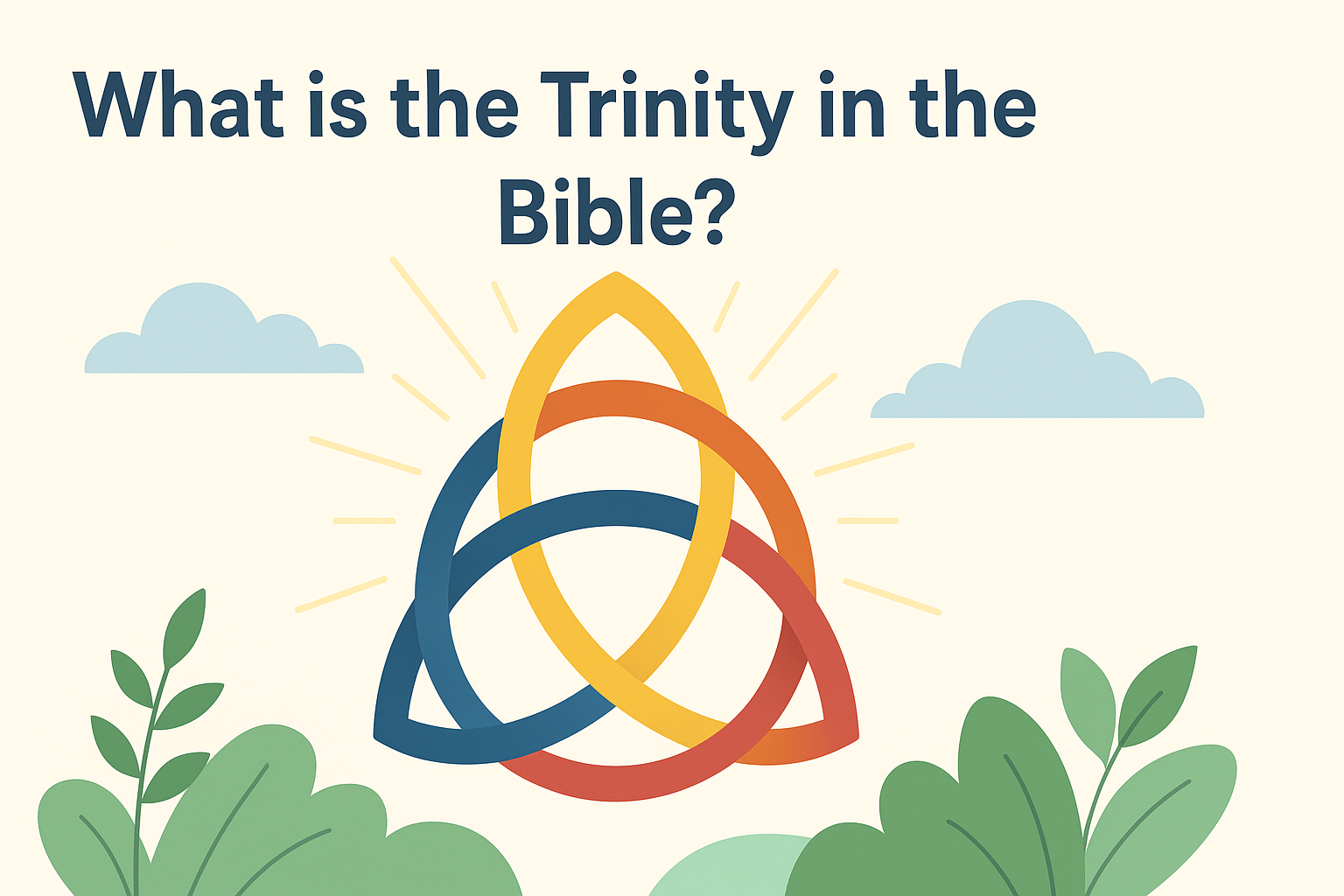
The Trinity is a foundational concept in Christianity that describes the nature of God as being one essence in three distinct persons: the Father, the Son (Jesus Christ), and the Holy Spirit. While the term “Trinity” itself does not appear in the Bible, the concept is derived from various passages that reveal the relationship and unity among these three persons.
Understanding the Trinity involves recognizing that each person of the Trinity is fully God, yet there is only one God. This mystery is central to Christian faith and is affirmed in the creeds of many Christian denominations.
The Biblical Basis for the Trinity
The foundation for the doctrine of the Trinity is established throughout Scripture. Several key passages illustrate the distinct roles and unity of the Father, Son, and Holy Spirit.
The Father
The Father is often acknowledged as the creator and sustainer of the universe. In the very first chapter of the Bible, Genesis 1:1 states, “In the beginning God created the heavens and the earth.” This emphasizes the divine authority and power of God the Father. He is also depicted as a loving figure, as seen in Matthew 6:9, where Jesus teaches His followers to pray, “Our Father in heaven, may your name be kept holy.”
The Son
Jesus Christ, the Son, is central to the Christian faith. He is recognized as both fully divine and fully human. In John 1:1, it is declared, “In the beginning the Word already existed. The Word was with God, and the Word was God.” This “Word” refers to Jesus. Later in John 1:14, it states, “So the Word became human and made his home among us.” This passage highlights the incarnation of Christ, affirming His divine nature while also emphasizing His human experience.
The Holy Spirit
The Holy Spirit is the third person of the Trinity, often associated with God’s presence and action in the world. In John 14:16-17, Jesus promises His disciples that He will send the Holy Spirit to be with them. He refers to the Holy Spirit as “another Advocate,” indicating that the Spirit will continue the work of Christ among believers. The Holy Spirit empowers, guides, and convicts believers, as seen in Acts 1:8, where Jesus says, “But you will receive power when the Holy Spirit comes upon you.” This illustrates the active role of the Holy Spirit in the life of the Church and individual believers.
While the concept of the Trinity is widely accepted in Christian doctrine, interpretations can vary. Understanding the relationship between the Father, Son, and Holy Spirit requires careful examination of Scripture, as well as an awareness of historical and theological contexts.
One of the most direct references to the Trinity is found in the Great Commission, where Jesus instructs His followers to baptize “in the name of the Father and the Son and the Holy Spirit” (Matthew 28:19). This command underscores the unity of the three persons in the act of baptism, affirming their equal status within the Godhead.
The early Church grappled with various interpretations of Jesus’ nature and His relationship to God the Father. The Council of Nicaea in 325 A.D. was a pivotal moment in defining the doctrine of the Trinity. The Nicene Creed emerged from this council, affirming that Jesus is “true God from true God” and “of one substance with the Father.” This creed helped to clarify the understanding of the Trinity for generations to come.
Various passages throughout the New Testament illustrate the interaction among the Trinity. These moments provide insight into how the three persons relate to each other and to humanity.
At Jesus’ baptism, all three persons of the Trinity are present. In Matthew 3:16-17, when Jesus is baptized, the heavens open, and the Spirit of God descends like a dove. A voice from heaven, identified as the Father’s voice, says, “This is my dearly loved Son, who brings me great joy.” This scene vividly portrays the distinct roles of each person while emphasizing their unity in purpose.
During the Last Supper, Jesus speaks of the relationship between Himself and the Father and promises the coming of the Holy Spirit. In John 14:10-11, Jesus says, “Don’t you believe that I am in the Father and the Father is in me?” This statement highlights the intimate connection between the Father and the Son. Later, in John 16:13, Jesus assures His disciples that the Holy Spirit will guide them into all truth, further illustrating the distinct roles within the Trinity.
The Trinity is a profound and complex doctrine that encapsulates the Christian understanding of God. While the term itself is not found in the Bible, the concept is woven into the fabric of Scripture. Through various passages, we see the distinct roles and relationships of the Father, Son, and Holy Spirit. As believers seek to grasp this mystery, they are invited into a deeper relationship with God, who reveals Himself in three persons yet remains one in essence.
The Significance of the Trinity in Christian Life
The doctrine of the Trinity is not merely an abstract theological concept; it has profound implications for the daily lives of believers. Understanding the Trinity shapes how Christians relate to God, worship, and experience community within the Church.
Worship and Prayer
In the context of worship, the Trinity enriches the believer’s experience. When Christians pray, they often address the Father, invoke the Son, and seek the guidance of the Holy Spirit. This triadic approach reflects the relational nature of God. For example, believers may pray to the Father for guidance, through the Son for intercession, and rely on the Holy Spirit for empowerment and direction in their lives.
The communal aspect of worship is also influenced by the Trinity. Just as the Father, Son, and Holy Spirit exist in perfect harmony, the Church is called to reflect that unity in its diversity. Paul writes in 1 Corinthians 12 about the variety of spiritual gifts that contribute to the body of Christ, emphasizing that while believers have different roles, they are unified in one Spirit.
Salvation and the Trinity
The roles of the Father, Son, and Holy Spirit in the process of salvation highlight the importance of the Trinity. The Father sends the Son into the world to redeem humanity (John 3:16). Jesus, through His death and resurrection, provides the means for salvation. The Holy Spirit then plays a crucial role in applying that salvation to individual believers, convicting them of sin and leading them into a relationship with Christ (John 16:8).
This understanding of salvation deepens the appreciation for God’s love. The cooperative work of the Trinity reveals a God who is actively involved in the lives of His creation, seeking to restore and reconcile them to Himself.
Theological Challenges and Misunderstandings
Throughout history, the doctrine of the Trinity has been the subject of debate and misunderstanding. Various heretical views have emerged, attempting to simplify the complexity of the Trinity. For example, Arianism denied the full divinity of the Son, suggesting that Jesus was a created being rather than co-eternal with the Father. Such views were addressed in early church councils, which reaffirmed the orthodox understanding of the Trinity.
Common Analogies and Their Limitations
Many people attempt to explain the Trinity using analogies, such as comparing God to water, which can exist as ice, liquid, or vapor. While these analogies can provide a basic understanding, they often fall short of capturing the fullness of the Trinity. God is not merely one being appearing in different forms; He exists as three distinct persons who are fully and equally God, coexisting eternally.
Another common analogy is the concept of a person being a father, son, and husband simultaneously. While this illustrates the idea of one person taking on different roles, it does not accurately reflect the Trinity, where each person is distinct yet fully God. Thus, while analogies can aid understanding, they should be approached with caution.
Personal Reflection and Questions
As believers reflect on the Trinity, it raises important questions about their faith and relationship with God:
- How does understanding the Trinity impact your view of God and His character?
- In what ways do you see the roles of the Father, Son, and Holy Spirit working in your life?
- How can you better incorporate the Trinity into your worship and prayer life?
- What challenges do you face in comprehending the Trinity, and how can you address them?
Engaging with these questions can deepen one’s faith and encourage a more intimate relationship with God.
The Trinity in Community and Relationships
The relational aspect of the Trinity offers a model for human relationships. Just as the Father, Son, and Holy Spirit exist in perfect love and unity, Christians are called to live in community, reflecting that divine relationship. This communal aspect is evident in the early Church, where believers shared their lives, resources, and faith with one another (Acts 2:42-47).
In a world increasingly marked by division and isolation, the Church’s call to unity is more crucial than ever. The Trinity serves as a reminder that true community is rooted in love, respect, and mutual support, mirroring the relationship among the Godhead.
Conclusion
The doctrine of the Trinity is a foundational aspect of Christian faith that shapes worship, understanding of salvation, and community life. By recognizing the distinct roles and unity of the Father, Son, and Holy Spirit, believers can engage in a deeper relationship with God. As Christians navigate the complexities of life, the Trinity offers a model for love, unity, and cooperation, both within the Church and in their interactions with the world. Ultimately, embracing the mystery of the Trinity invites believers into a transformative journey of faith that reflects the heart of God.