
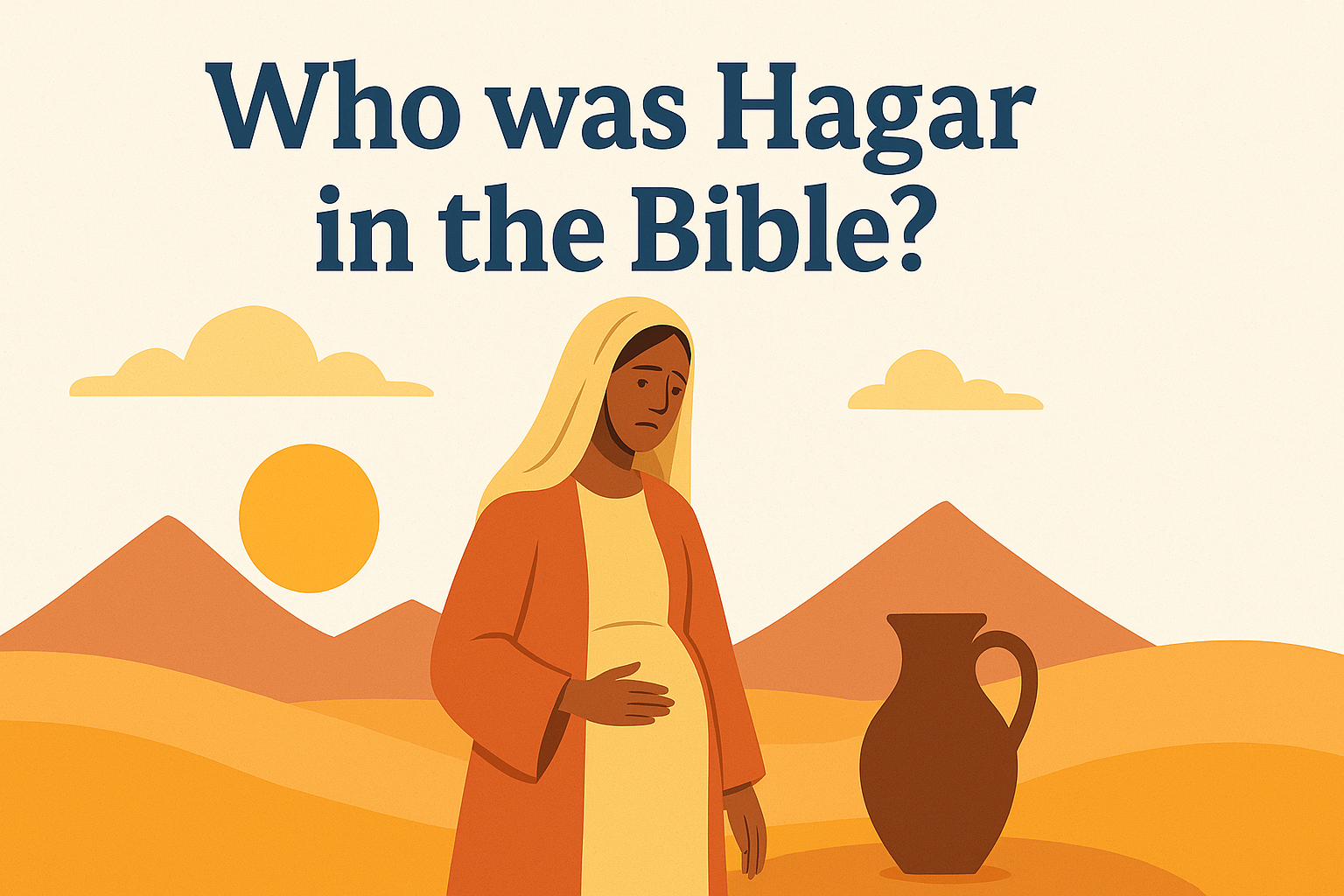
Hagar is a significant figure in the Bible, primarily known as the Egyptian servant of Sarai, who was later named Sarah, the wife of Abraham. Hagar’s story is found mainly in the Book of Genesis, where she becomes involved in the unfolding narrative of God’s covenant with Abraham and the birth of his descendants.
Hagar’s life is marked by themes of servitude, motherhood, and divine intervention. She is often viewed through the lens of her relationship with Sarah and Abraham, and her experiences highlight the complexities of faith, obedience, and God’s promises.
The Context of Hagar’s Story
Hagar first appears in Genesis 16, during a time when Sarah was unable to conceive. God had promised Abraham that he would be the father of many nations (Genesis 12:2), but years passed without a child. In her desperation, Sarah offered Hagar to Abraham as a surrogate. This act of taking Hagar as a wife was culturally acceptable at the time, but it also set the stage for conflict.
The Birth of Ishmael
After Hagar became pregnant, tensions rose between her and Sarah. Hagar began to look down on Sarah, which led to Sarah mistreating her. In this difficult situation, Hagar fled into the wilderness. It was there that she encountered an angel of the Lord who spoke to her. The angel told her to return to Sarah and submit to her, promising that her son would be named Ishmael, meaning “God hears,” because God had heard her affliction (Genesis 16:11).
Hagar’s Encounter with God
“You are now pregnant and will give birth to a son. You are to name him Ishmael, for the LORD has heard of your misery.” (Genesis 16:11, NLT)
This encounter is significant as it highlights God’s care for Hagar, an Egyptian servant. It emphasizes that God sees those who are marginalized and oppressed. Hagar is the first person in the Bible to receive a personal promise from God regarding her offspring, which is a notable aspect of her story.
The Meaning of Hagar’s Name
Hagar’s name means “flight” in Hebrew, which reflects her initial escape from Sarah’s harsh treatment. However, after her encounter with the angel, she refers to God as “El Roi,” meaning “the God who sees me” (Genesis 16:13). This name signifies her recognition of God’s presence and care in her life, despite her status as a servant.
The Role of Hagar in the Abrahamic Covenant
Although Hagar’s role is often overshadowed by Sarah and Isaac, her son Ishmael is significant in the broader context of the Abrahamic covenant. God promised that Ishmael would also become a great nation (Genesis 17:20). This promise indicates that Hagar and Ishmael were included in God’s plan, even if they were not the primary focus of the covenant made with Abraham and Sarah.
The Later Life of Hagar and Ishmael
Hagar and Ishmael’s journey continues in Genesis 21, when Sarah finally gives birth to Isaac. After Isaac’s birth, tensions escalated again. Sarah saw Ishmael mocking Isaac and insisted that Abraham send Hagar and Ishmael away. Though Abraham was distressed by this, God reassured him, telling him to listen to Sarah because Isaac was the child of the promise (Genesis 21:12).
Hagar’s Second Encounter with God
After being cast out, Hagar and Ishmael wandered in the wilderness, running out of water. In despair, Hagar placed Ishmael under a bush and wept. Once again, God heard Ishmael’s cries and intervened. An angel called to Hagar from heaven, assuring her that God had heard the boy’s voice and instructing her to lift him up (Genesis 21:17-19).
“Do not be afraid; God has heard the boy crying as he lies there.” (Genesis 21:17, NLT)
God then opened Hagar’s eyes to see a well of water nearby, allowing them to drink and survive. This moment underscores God’s ongoing provision and care for Hagar and Ishmael, reaffirming that they were not forgotten, even after being sent away.
Hagar’s Legacy
Hagar’s story raises important questions about identity, faith, and God’s promises. While she is often viewed through the lens of her relationship with Abraham and Sarah, Hagar is a powerful example of God’s compassion for the marginalized. Her experiences illustrate that God’s promises extend beyond traditional boundaries and include those who may be overlooked by society.
In Islamic tradition, Hagar is also a revered figure, recognized as the mother of Ishmael and an important ancestor of the Arab people. This shared recognition highlights the significance of her story across different faiths and cultures.
Overall, Hagar’s narrative invites readers to reflect on themes of hope, perseverance, and divine intervention, demonstrating that God sees and cares for all people, regardless of their status or circumstances.
Theological Implications of Hagar’s Story
Hagar’s narrative serves as a profound reflection on God’s nature and His interactions with humanity. One significant theological theme is God’s ability to see and respond to the plight of those who are marginalized or oppressed. Hagar, a foreign servant, experiences God’s direct intervention in her life, symbolizing that God’s grace extends beyond the chosen people of Israel. This aspect of her story emphasizes that God’s love is inclusive and available to all, regardless of their social status or nationality.
Hagar as a Foreshadowing Figure
In Christian theology, Hagar can be interpreted as a foreshadowing of the New Covenant. Her story parallels the concept of grace and salvation that is central to the New Testament. Just as Hagar received God’s promise and care, believers today are reminded of God’s grace that reaches out to the lost and marginalized. Hagar’s experiences can serve as a reminder of the broader scope of God’s redemptive work through Jesus Christ, who came to save all humanity, not just a select group.
Hagar in the New Testament
While Hagar’s story is primarily contained within the Old Testament, she is also mentioned in the New Testament, specifically in Galatians 4. The Apostle Paul uses her as an allegory to illustrate the difference between the Old Covenant and the New Covenant. In this context, Hagar represents the covenant of the law, while Sarah represents the covenant of grace through faith. Paul emphasizes that those who are born of the promise (like Isaac) are free, whereas those born of the flesh (like Ishmael) are in bondage. This interpretation highlights the theological significance of Hagar’s story beyond her immediate circumstances.
Understanding Hagar’s Place in Salvation History
Hagar’s role in salvation history invites deeper reflection on the nature of God’s promises and His unfolding plan. Ishmael, as her son, is recognized as the father of a great nation, and this acknowledgment can be seen as part of God’s overarching plan for humanity. The inclusion of Hagar and Ishmael in the narrative of God’s people challenges readers to consider how God works through unexpected individuals and situations to fulfill His promises. It encourages believers to embrace the idea that God can use anyone, regardless of their background, for His purposes.
Lessons from Hagar’s Resilience
Hagar’s story is also a testament to resilience and strength in the face of adversity. After being mistreated and cast out, she demonstrates remarkable courage by returning to Sarah and later enduring the harsh reality of life in the wilderness. Hagar’s perseverance can inspire readers today to remain steadfast in their faith, especially during challenging times. Her ability to confront her struggles while maintaining hope in God’s promises serves as a powerful example for believers.
Hagar’s Spiritual Growth
Throughout her journey, Hagar undergoes significant spiritual growth. Her encounters with God not only provide her with immediate relief but also deepen her understanding of His character. She learns to trust in God’s provision and care, developing a relationship with Him that transforms her perspective. This growth is a reminder that God often uses difficult circumstances to draw individuals closer to Him, fostering spiritual maturity and dependence on His guidance.
Contemporary Relevance of Hagar’s Story
Hagar’s narrative continues to resonate in contemporary discussions about race, gender, and social justice. As a woman of color and a servant, her experiences reflect the struggles faced by many marginalized groups today. Hagar’s story encourages readers to advocate for justice and compassion toward those who are oppressed. It challenges the church to be a place of refuge and support for all individuals, especially those who may feel unseen or unheard.
Questions for Reflection
As we consider Hagar’s story, several thought-provoking questions arise:
- How does Hagar’s experience challenge our understanding of God’s promises?
- In what ways can we better recognize and support marginalized communities in our society?
- How can we cultivate resilience and faith in our own lives during difficult circumstances?
- What does Hagar’s story teach us about God’s character and His desire for a relationship with all people?
Conclusion: The Enduring Impact of Hagar’s Story
Hagar’s story is not merely an account of a servant’s struggles; it is a powerful narrative that underscores God’s unwavering love and care for all individuals. Through her experiences, we learn about the depth of God’s compassion and the inclusivity of His promises. Hagar’s legacy challenges us to reflect on our own lives and the ways we interact with those around us. Ultimately, her story invites us to embrace God’s call to love, serve, and advocate for the marginalized, reminding us that everyone is seen and valued in His eyes.