
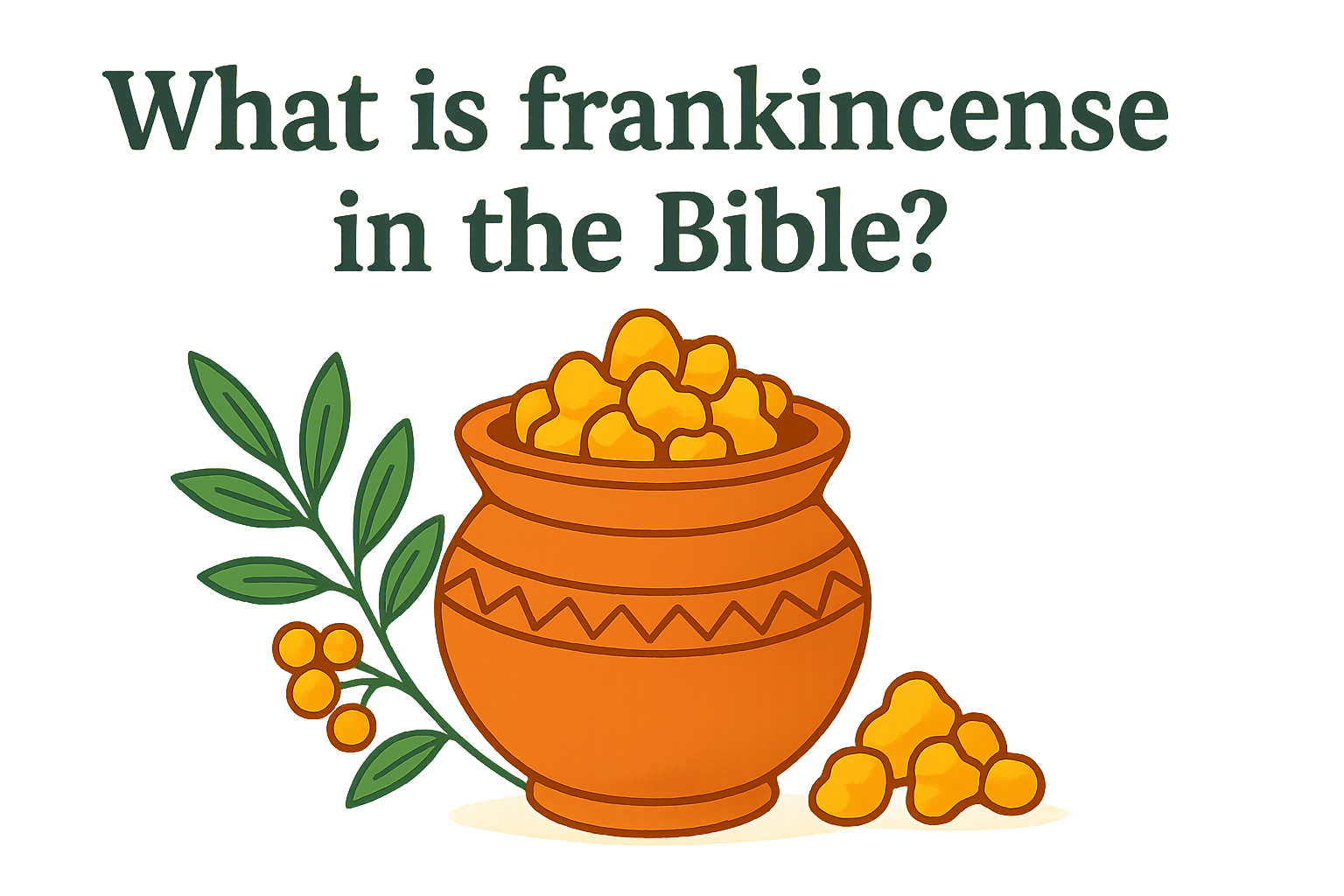
Frankincense is a fragrant resin obtained from the Boswellia tree and is mentioned several times in the Bible. In biblical times, it was highly valued for its aromatic properties and used in various religious rituals, particularly in offerings and incense. It symbolizes purity, holiness, and the presence of God.
In the context of the Bible, frankincense was one of the gifts brought by the Magi to the infant Jesus, alongside gold and myrrh. This act highlighted its significance and connection to worship and divinity.
Frankincense in the Old Testament
The use of frankincense in the Old Testament is primarily associated with the Tabernacle and the Temple. It was an essential component of the sacred incense prescribed by God for worship. In Exodus 30:34-38, God instructed Moses to create a special blend of incense that included frankincense, along with other spices. This incense was meant to be used in the Holy Place to create an atmosphere of reverence and connection with God.
Incense as Worship
Frankincense was not merely a pleasant aroma; it represented the prayers of the people ascending to God. In Psalm 141:2, David compares his prayers to incense rising before God. This imagery emphasizes the importance of worship and the desire for divine connection. The burning of frankincense in the Temple served as a physical manifestation of this spiritual truth.
Symbolism of Frankincense
The spiritual symbolism of frankincense extends beyond its use in rituals. It signifies the purity and holiness of God. In the context of offerings, frankincense was often added to grain offerings, which were meant to be pleasing to God (Leviticus 2:1-2). The inclusion of frankincense highlighted the desire for the offering to be accepted and honored by the Lord.
Frankincense in the New Testament
In the New Testament, frankincense appears in the story of the Magi, who traveled to honor the newborn Jesus. According to Matthew 2:11, they presented gifts of gold, frankincense, and myrrh. Each of these gifts carries significant meaning. Gold represents Jesus’ kingship, myrrh signifies His suffering and death, while frankincense symbolizes His divinity and role as the ultimate High Priest.
The Significance of the Magi’s Gifts
The gifts of the Magi are rich in symbolism. Frankincense, specifically, points to Jesus as God incarnate. It reflects His divine nature and the worship He deserves. The act of presenting frankincense to Jesus indicates recognition of His holiness and the acknowledgment of His authority as the Son of God.
Frankincense in Revelation
Frankincense also appears in the Book of Revelation, where it is associated with the prayers of the saints. In Revelation 5:8, the twenty-four elders hold golden bowls full of incense, which are described as the prayers of God’s people. This imagery connects back to the Old Testament use of frankincense in worship, illustrating how the prayers of believers are a sweet aroma before God.
Cultural and Historical Context
Frankincense was highly valued in the ancient world, traded extensively across regions. Its use in religious practices was not limited to the Israelites; many cultures incorporated incense into their worship. The trade routes that facilitated the movement of frankincense connected Arabia, India, and the Mediterranean. This made it a luxury item and a symbol of wealth in biblical times.
Frankincense in Ancient Trade
The value of frankincense can be seen in its inclusion in the gifts presented to Jesus. It was a costly item, indicating the significance of the occasion. The trade of frankincense was so important that it contributed to the economy of regions where it was harvested. The Boswellia trees, primarily found in the Arabian Peninsula, were a vital resource for traders and merchants.
Modern Understanding and Use
Today, frankincense is still used for its aromatic qualities and is popular in perfumes, incense, and essential oils. Many people appreciate its calming effects and use it in meditation and spiritual practices. The historical and biblical significance of frankincense continues to resonate, reminding believers of its role in worship and the divine presence.
Frankincense in Biblical Rituals
In biblical times, the use of frankincense was deeply intertwined with the rituals of worship. The incense created with frankincense was not merely a sensory experience but served as a conduit for spiritual communication. Within the sacred space of the Temple, the burning of frankincense was a means of inviting the divine presence and creating an atmosphere conducive to worship.
Levitical Laws and Incense
The Levitical laws provided detailed instructions regarding the offerings and rituals that were to be performed in the Temple. Frankincense was specifically mentioned in these laws, emphasizing its importance in the sacrificial system. For example, in Leviticus 2:1-2, when someone brought a grain offering, they were instructed to include frankincense as a part of the offering. This practice underscored the belief that the offering, enhanced by the aroma of frankincense, would be more pleasing to God.
The meticulous nature of these laws demonstrates how seriously the Israelites regarded their relationship with God. The use of frankincense was a tangible expression of their devotion and reverence, making their worship more meaningful.
Prophetic Imagery and Frankincense
Frankincense also appears in prophetic literature, where it is used symbolically to convey deeper spiritual truths. For example, in Isaiah 60:6, it is prophesied that nations will come to worship the Lord and bring gold and incense. This imagery enriches the understanding of frankincense as not just a physical gift but as a representation of worship and acknowledgment of God’s sovereignty. Such prophecies highlight the anticipated recognition of God’s glory among all nations, foreshadowing the universal worship of Christ.
Frankincense and Spiritual Practices Today
The significance of frankincense extends beyond its biblical roots and into modern spiritual practices. Many Christians today utilize frankincense in their prayer and meditation routines, echoing its historical use in the Temple. The aroma is believed to enhance spiritual focus, creating a sacred space for communion with God. This practice resonates with the ancient understanding of frankincense as a bridge between the earthly and the divine.
Essential Oils and Healing
Frankincense essential oil is popular in holistic healing practices for its reputed health benefits. Many people use it for its anti-inflammatory properties and its ability to promote relaxation and emotional balance. This contemporary application connects back to the biblical use of frankincense, which was valued not only for its fragrance but also for its perceived ability to elevate spiritual experiences. In this way, frankincense continues to serve as a tool for enhancing both physical and spiritual well-being.
Reflections on Worship and Offerings
The inclusion of frankincense in worship raises meaningful questions about how modern believers approach their own acts of devotion. Reflecting on the symbolism of frankincense encourages Christians to consider what they bring before God in their worship. Are offerings made with the same intention and reverence as those in biblical times? How can believers cultivate a spirit of holiness and purity in their worship today?
Frankincense as a Metaphor for Prayer
Another important aspect of frankincense in the Bible is its metaphorical connection to prayer. Just as the fragrant smoke of frankincense rises to God, so too do the prayers of the faithful ascend. This imagery serves as a reminder of the importance of prayer in the life of a believer. In the New Testament, Paul encourages believers to pray continually (1 Thessalonians 5:17), emphasizing the need for an ongoing relationship with God.
Encouragement for Personal Prayer Life
Believers can take inspiration from the use of frankincense to deepen their prayer lives. Setting aside specific times for prayer, creating a sacred space, or even using incense can help foster a sense of reverence and focus. The act of praying with intention, much like the burning of frankincense in the Temple, can enhance the experience of connecting with God.
Conclusion: The Enduring Legacy of Frankincense
Frankincense holds a rich tapestry of meaning within the biblical narrative, symbolizing the divine nature of Christ, the essence of worship, and the prayers of the faithful. Its historical significance as a valuable resource and its ongoing use in spiritual practices illustrate how this ancient resin continues to resonate in the Christian faith today. As believers reflect on the multifaceted role of frankincense, they are encouraged to consider how they can incorporate its symbolism into their lives, deepening their worship and connection to God.
For further exploration of the significance of frankincense and its use in worship, you may find the articles on the historical context of incense in biblical rituals and the spiritual benefits of essential oils insightful.