
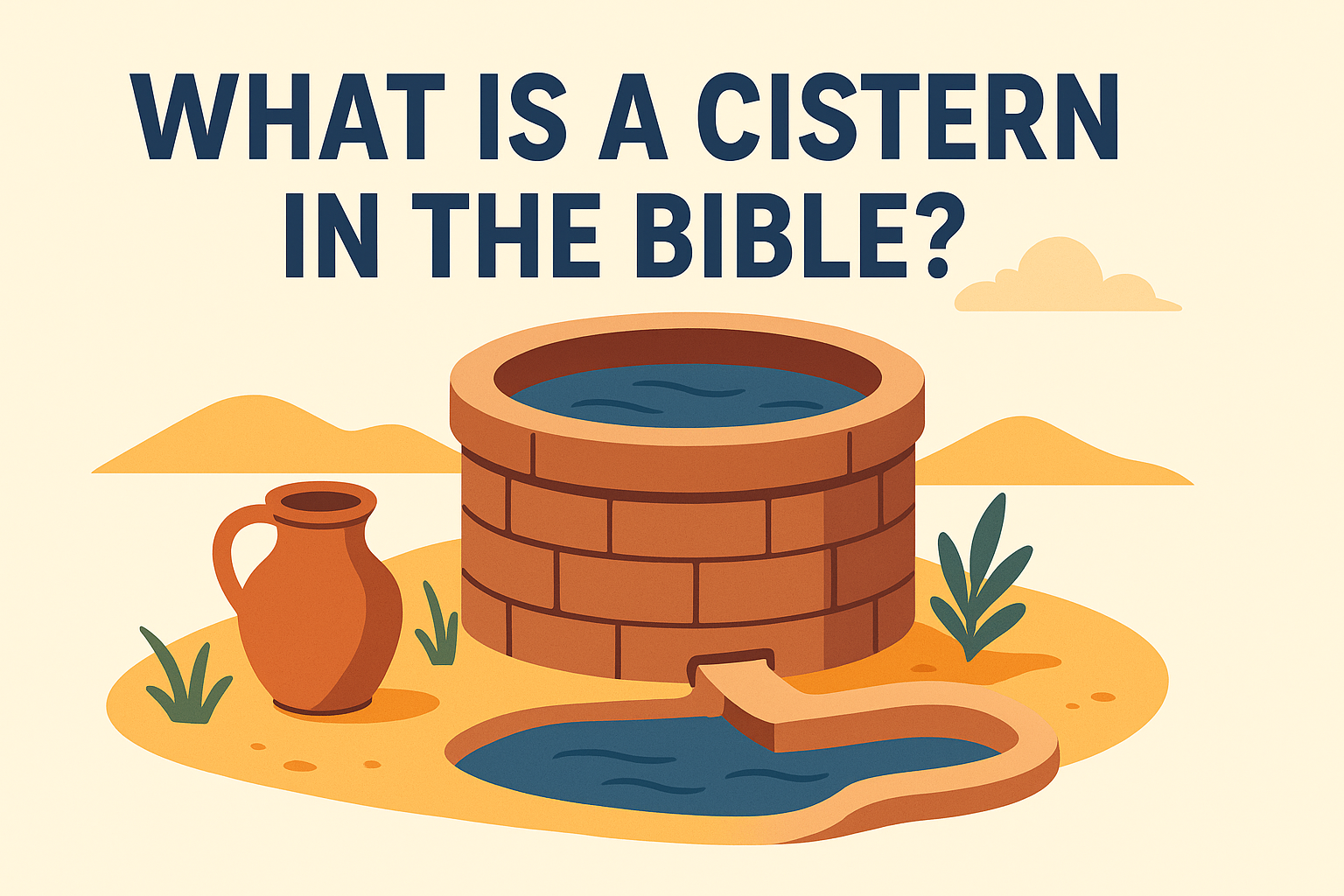
A cistern in the Bible refers to an underground reservoir or tank designed to collect and store water. These structures were essential in ancient times, especially in arid regions where water was scarce. Cisterns provided a reliable source of water for drinking and irrigation, vital for sustaining life in a desert environment.
In biblical contexts, cisterns symbolize both physical and spiritual themes. They are often mentioned in relation to the need for water, representing sustenance and life. However, they can also illustrate deeper spiritual truths, such as the emptiness of turning away from God or relying on human wisdom instead of divine guidance.
The Function and Importance of Cisterns
Cisterns played a crucial role in the daily lives of people in biblical times. They were typically carved out of rock or built using bricks and mortar, often located near homes or in community areas. During the rainy season, cisterns would be filled with rainwater, which could then be used during the dry months.
In the ancient Near East, where rainfall was inconsistent, cisterns were indispensable for survival. According to Deuteronomy 11:11, the Promised Land was described as a place with “brooks and springs and deep waters, flowing in valleys and hills.” However, the reality for many was that they had to rely on man-made structures to store water. This dependence on cisterns highlights the importance of water for life and the necessity of careful planning and resource management.
Cisterns in Scripture
The Bible contains various references to cisterns, each serving to illustrate different spiritual lessons. One notable example is found in Jeremiah 2:13, where God laments, “For my people have done two evil things: They have abandoned me—the fountain of living water. And they have dug for themselves cracked cisterns that can hold no water at all.” This passage emphasizes the futility of seeking fulfillment in anything other than God, likening false sources of sustenance to broken cisterns that cannot hold water.
Another instance is in Genesis 37:24, where Joseph’s brothers throw him into a cistern after deciding to sell him into slavery. This act of betrayal not only serves as a pivotal moment in Joseph’s life but also symbolizes the depths of human depravity and the consequences of jealousy and hatred.
The Symbolism of Cisterns
Cisterns often symbolize the human tendency to seek satisfaction in worldly things rather than in God. They remind us of the spiritual thirst that only a relationship with God can quench. In contrast to the living water offered by Jesus, which brings eternal life (John 4:14), cisterns can represent the temporary and ultimately unsatisfying nature of earthly pursuits.
In Isaiah 12:3, the prophet encourages the people by saying, “With joy you will draw water from the wells of salvation.” This imagery contrasts with the concept of cisterns, highlighting that true joy and sustenance come from God alone, not from man-made sources.
Understanding the cultural context of cisterns enhances our appreciation of their significance in the Bible. In ancient Israel, water was not only a physical necessity; it also held cultural and spiritual importance. Cisterns were often associated with community life and shared resources, reflecting the interconnectedness of families and neighbors.
Additionally, the practice of building cisterns was common in surrounding cultures, including the Egyptians and Mesopotamians. These civilizations also recognized the importance of water storage for agriculture and daily living. The construction of cisterns demonstrated human ingenuity and the desire to harness natural resources effectively.
In times of drought, the construction and maintenance of cisterns became even more critical. Communities would come together to ensure that these structures were kept in good condition, as they could mean the difference between life and death during dry seasons.
Lessons from Cisterns in the Bible
The references to cisterns in Scripture offer several important lessons for believers today. First, they remind us of our need for spiritual sustenance. Just as ancient people relied on cisterns for water, we must rely on God for our spiritual nourishment. In a world filled with distractions and false promises, it is easy to forget where our true source of life comes from.
Secondly, cisterns challenge us to examine what we are filling our lives with. Are we seeking fulfillment in temporary pleasures or worldly achievements? Or are we turning to God, the source of living water? The metaphor of broken cisterns serves as a warning against the futility of pursuing anything other than a relationship with God.
Lastly, cisterns encourage us to be diligent in our spiritual lives. Just as ancient peoples worked to maintain their cisterns, we must actively cultivate our relationship with God through prayer, Bible study, and fellowship with other believers. This ongoing effort is essential for sustaining our spiritual health and ensuring we are filled with the living water that only God can provide.
In summary, cisterns in the Bible serve both a practical purpose and profound symbolic meanings. They remind us of the importance of water for life while also illustrating deeper spiritual truths about our relationship with God and the dangers of seeking fulfillment in earthly things. As we explore the significance of cisterns in Scripture, we gain valuable insights into our spiritual journey and the source of true sustenance.
Cisterns and Their Spiritual Implications
The theme of cisterns in the Bible extends beyond physical structures to encompass profound spiritual implications. In many instances, they serve as a metaphor for the human heart and the choices we make regarding where we seek fulfillment. In a world filled with distractions, it is essential to reflect on what we allow to fill our lives.
In Jeremiah 2:13, God’s lament about cracked cisterns captures the essence of spiritual abandonment. When we pursue relationships, careers, or material possessions as our primary sources of fulfillment, we risk creating our own “cracked cisterns.” These pursuits may promise satisfaction but ultimately leave us empty. This analogy encourages believers to evaluate their priorities and align them with God’s will, seeking the living water that nourishes our souls.
The Dangers of Reliance on Earthly Sources
Throughout the Bible, reliance on earthly sources is often depicted as a path to disappointment. The metaphor of cisterns serves as a warning against investing our time and energy in things that do not provide lasting satisfaction. In Matthew 6:19-21, Jesus teaches about laying up treasures in heaven rather than on earth, emphasizing that where our treasure is, our heart will also be. This principle underscores the futility of seeking fulfillment in worldly achievements, as they are temporary and subject to decay.
Moreover, the act of digging our own cisterns—those pursuits that promise to fill our needs—can lead to spiritual drought. Jesus invites us to come to Him for living water, saying that those who drink from it will never thirst again (John 4:14). This invitation is a reminder that the only true source of satisfaction is found in a relationship with Him, not in the transient pleasures of life.
Historical Context and Construction of Cisterns
To fully appreciate the significance of cisterns in the Bible, it is valuable to understand their construction and historical context. Ancient cisterns were often built with great care to ensure they could hold water effectively. The walls were typically plastered to prevent leaks, and they were often concealed to protect the water from contaminants. This construction reflects the high value placed on water in arid regions and the community’s reliance on these structures for survival.
Cisterns were not only found in Israel but were common throughout the ancient Near East. Their presence in various cultures demonstrates the universal need for water and the ingenuity of ancient peoples in addressing that need. The shared practice of building cisterns also indicates a cultural understanding of the importance of community and cooperation in ensuring access to life-sustaining resources.
Cisterns as a Reflection of Spiritual Health
The state of a cistern can be seen as a reflection of the spiritual health of individuals and communities. A well-maintained cistern symbolizes a heart that actively seeks God and engages in practices that promote spiritual growth. Conversely, a neglected cistern—filled with debris or cracked—represents a heart that may be turning away from God’s presence, seeking fulfillment elsewhere.
In this light, believers are called to regularly assess the condition of their spiritual cisterns. Are we allowing God’s living water to flow freely in our lives? Or are we allowing distractions and worldly concerns to obstruct that flow? Engaging in spiritual disciplines such as prayer, worship, and studying Scripture can help maintain the health of our spiritual cisterns, ensuring we are continually filled with God’s presence.
Questions for Reflection
As we consider the significance of cisterns in the Bible, it is helpful to ask ourselves some reflective questions:
- What are the “cisterns” in my life that I am relying on for fulfillment?
- Are there areas where I have created “cracked cisterns” that cannot hold water?
- How can I actively seek the living water that Jesus offers?
- In what ways can I cultivate a deeper relationship with God?
- How can I contribute to the spiritual well-being of my community?
The Journey Towards Living Water
Ultimately, the journey toward living water involves a conscious decision to turn away from the empty cisterns of the world and to embrace the fullness that only God can provide. As believers, we must continually seek to deepen our relationship with Christ, allowing His words and presence to fill our hearts and souls.
In doing so, we not only experience the life-giving water that nourishes us but also become vessels through which that water flows to others. Just as ancient cisterns served their communities, we too are called to be sources of spiritual nourishment for those around us. By sharing the living water we have received, we can help quench the thirst of a world desperately seeking satisfaction and meaning.
In conclusion, cisterns in the Bible serve as a multifaceted symbol of physical and spiritual sustenance. They remind us of our need for God and caution us against the dangers of seeking fulfillment in temporary sources. As we reflect on the lessons from these ancient structures, may we strive to maintain our spiritual cisterns, allowing the living water of Christ to flow abundantly in our lives.
Explore more about biblical symbolism and learn how to cultivate a deeper relationship with God for insights that can enrich your spiritual journey.