
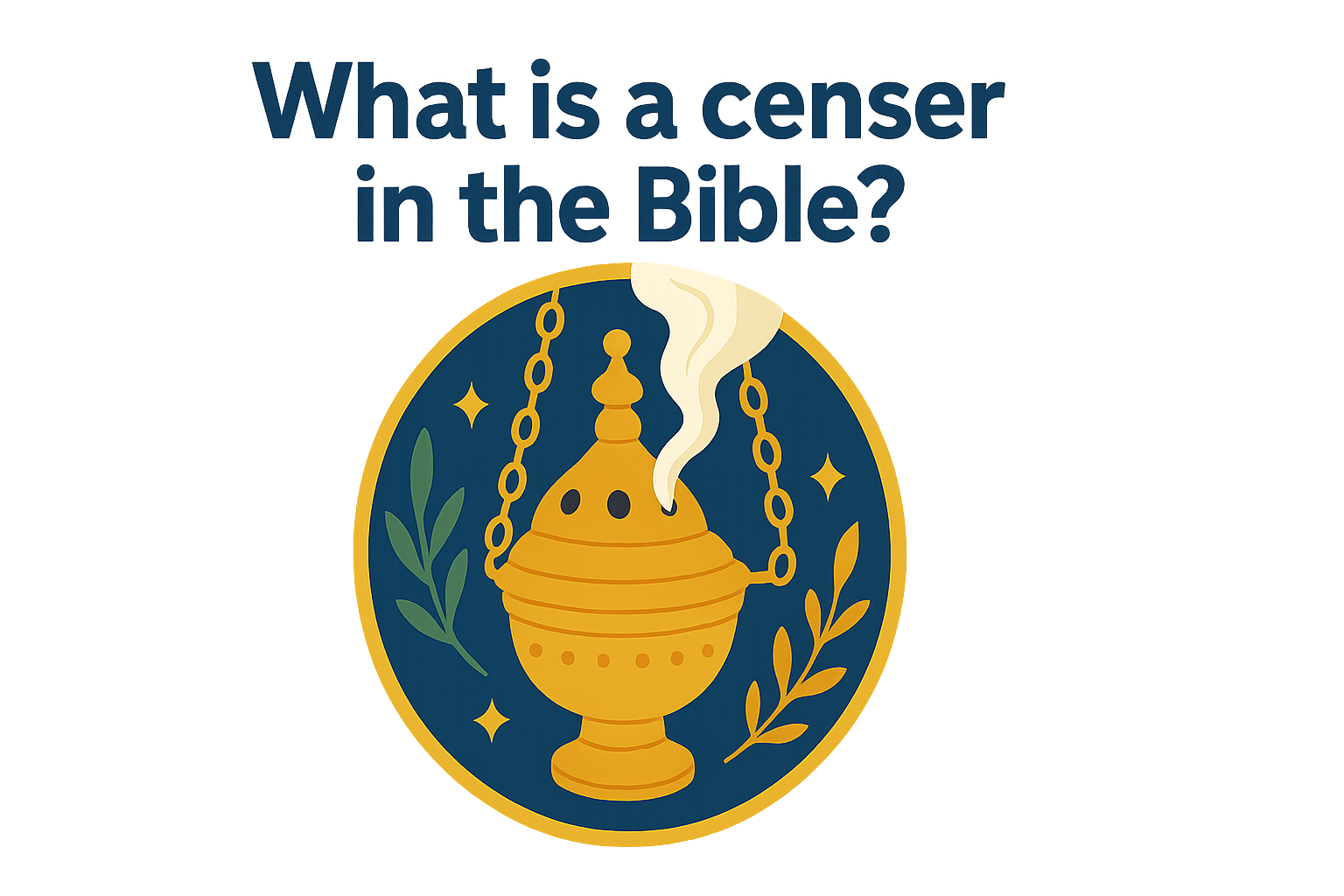
A censer in the Bible refers to a vessel used for burning incense, often associated with worship and rituals in the ancient Israelite temple. These censers were employed by priests during various ceremonies to create an aromatic atmosphere, symbolizing the prayers of the people rising to God. They played a significant role in the spiritual practices of the Israelites, reflecting both reverence and the desire for divine communication.
Throughout the Scriptures, censers are mentioned in relation to the worship of God, highlighting their importance in maintaining the holiness and sanctity of ritual practices. They served not only a functional purpose but also imparted deep spiritual significance within the context of the covenant community.
The Function of Censers in Ancient Worship
Censers were primarily used to hold burning incense, which was a vital part of the worship practices in the tabernacle and later in the temple. Incense was often made from a blend of aromatic substances, and its burning was believed to create a pleasing aroma that ascended to God, symbolizing the prayers of the faithful.
Incense and Prayer
The connection between incense and prayer is explicitly mentioned in the Bible. In Psalm 141:2, the psalmist writes, “Accept my prayer as incense offered to you, and my upraised hands as an evening offering.” This metaphor illustrates how the act of burning incense was seen as a representation of the prayers and supplications of the people, ascending toward heaven.
In the New Testament, the Book of Revelation further emphasizes this connection. Revelation 5:8 describes the twenty-four elders holding golden bowls full of incense, which are identified as “the prayers of God’s people.” This imagery reinforces the idea that incense serves as a medium through which prayers are presented before God.
Censers in the Tabernacle and Temple
The use of censers is deeply rooted in the rituals of the tabernacle and later the temple. In Exodus 30:1-10, God commands Moses to make an altar for burning incense, which was to be placed in the holy place, just outside the veil separating the most holy place. The priests were instructed to burn incense on this altar every morning and evening, signifying continuous worship and devotion to God.
Leviticus 16:12-13 describes how the high priest was to take a censer filled with burning coals from the altar and two handfuls of finely ground incense into the most holy place on the Day of Atonement. This act of burning incense was essential for creating a cloud of smoke that would cover the mercy seat, allowing the high priest to enter God’s presence without facing immediate death due to the holiness of God.
The Design and Materials of Censers
Censers were often made from gold or bronze, adorned with intricate designs that reflected their sacred purpose. The craftsmanship involved in creating these vessels was significant, as the materials used and the artistry displayed were meant to honor God. The censer’s design was not merely functional but also symbolic, representing the beauty and holiness of worship.
In 1 Kings 7:50, the censers used in the temple are mentioned alongside other temple furnishings, indicating their importance in the overall worship experience. The careful construction and use of these vessels underscore the seriousness with which the Israelites approached their relationship with God.
Censers and Their Symbolism
The censer carries rich symbolism in biblical literature. Beyond its physical use, it represents the concept of mediation between God and humanity. Priests acted as intermediaries, offering incense on behalf of the people, which signifies the communal aspect of worship. The censer becomes a tangible representation of the prayers and aspirations of the community reaching God.
Additionally, the act of burning incense symbolizes purification and sanctification. The smoke rising from the censer serves as a reminder of the need for spiritual cleansing before approaching God. This theme of purification is prevalent throughout the Old Testament, where rituals often included offerings and incense as means to atone for sin and seek reconciliation with the divine.
New Testament Perspectives on Censers
While the physical use of censers is primarily associated with the Old Testament, the New Testament offers insights into their symbolic significance. In the book of Hebrews, the author discusses the tabernacle and its furnishings, including the altar of incense, as part of the old covenant system. Hebrews 9:4 mentions the golden censer, linking it to the priestly duties of the high priest in the earthly sanctuary.
This connection highlights the transition from the old covenant, characterized by rituals and physical symbols, to the new covenant established through Christ. In this sense, the censer becomes a representation of the ultimate sacrifice made by Jesus, who serves as the mediator between God and humanity. The incense, once a physical element in worship, now finds its fulfillment in the spiritual offering of Christ.
As believers today reflect on the significance of the censer, it serves as a reminder of the importance of prayer, worship, and the mediation of Christ. The act of lifting prayers to God is akin to the burning of incense, a sacred act that draws believers into a deeper relationship with the divine.
The Role of Censers in Personal and Corporate Worship
Censers not only played a vital role in the temple but also had implications for personal and communal worship among the Israelites. The act of burning incense was a communal expression of faith, where the collective prayers of the people were symbolically united as they rose toward God. This collective aspect is essential, as it reflects the shared nature of worship within the covenant community.
In contemporary Christian practice, while physical censers may not be commonly used, the symbolism remains relevant. Many churches incorporate incense in their liturgical practices, particularly in high church traditions, to evoke a sense of reverence and the sacredness of worship. This practice can serve as a reminder of the prayers of the congregation ascending to God, fostering a deeper sense of unity and purpose in worship.
Lessons from the Censer for Modern Believers
The censer teaches modern believers several valuable lessons about worship and prayer. First, it emphasizes the importance of intentionality in worship. Just as the priests carefully prepared and used the censer, Christians are called to approach God with reverence and purpose in their prayers. This intentionality can help believers cultivate a deeper relationship with God, recognizing the significance of both personal and corporate prayer.
Second, the censer reminds believers of the need for spiritual cleansing. Before the incense was burned, the priests had to be ceremonially clean, which symbolizes the necessity of repentance and purity in approaching God. This aspect encourages Christians to engage in self-reflection and seek forgiveness as they come before God in prayer.
The Historical Context of Censers
Understanding the historical context of censers further illuminates their significance. Ancient Near Eastern cultures also employed incense in their worship practices, indicating that the use of scent in religious rituals was a common practice. However, the Israelites’ use of censers and incense was uniquely tied to their covenant with God, as outlined in the Law given to Moses.
Throughout the biblical narrative, censers are often mentioned during significant events that highlight God’s presence or His judgment. For instance, in Numbers 16, when Korah and his followers rebelled against Moses, God instructed Aaron to take a censer and make atonement for the people to stop the plague. This incident underscores the censer’s role in intercession and the seriousness of approaching God on behalf of others.
Censers in the Early Church
The transition from the Old Testament to the New Testament marks a shift in how believers understood the role of the censer. In the early church, the symbolism of incense continued to hold meaning as Christians sought to express their prayers and worship to God. The use of incense during early Christian liturgies can be traced back to the desire to maintain a connection to the rich tradition of the Hebrew Scriptures while embracing the new covenant established through Christ.
As the church evolved, the censer became a powerful symbol of the Christian faith, often utilized during significant liturgical events, such as the Eucharist or special feast days. The act of burning incense was seen as a way to enhance the worship experience, creating an atmosphere conducive to spiritual reflection and connection with God.
Censers and Spiritual Warfare
Another interesting aspect of the censer’s symbolism is its connection to spiritual warfare. The act of offering incense can be seen as a defense against spiritual darkness, as it represents the prayers of the faithful rising against the powers of evil. In this sense, the censer serves as a reminder of the believer’s role in engaging in spiritual warfare through prayer and worship.
In Ephesians 6:12, Paul reminds believers that their struggle is not against flesh and blood but against spiritual forces of evil. The imagery of the censer can encourage believers to use their prayers and worship as tools to combat spiritual opposition, reinforcing the idea that worship is a powerful act of faith.
Conclusion: Embracing the Censer’s Legacy
The censer, with its rich biblical history and profound symbolism, invites modern believers to reflect on their own practices of worship and prayer. As a vessel that carries the prayers of the faithful to God, it serves as a reminder of the importance of intentionality, purity, and communal worship. Whether used in historical contexts or contemporary practices, the censer embodies the desire for divine connection and the reverence owed to God.
As Christians today consider the legacy of the censer, they are encouraged to embrace its significance by cultivating a spirit of prayerfulness and worship in their lives. The act of lifting prayers to God, much like the rising incense, is a sacred practice that draws believers closer to their Creator, affirming their role as part of a larger community of faith.
For further exploration of worship practices in the Bible and their implications for today, check out this article on the role of incense in biblical worship and learn more about the significance of prayer in the Christian faith.