
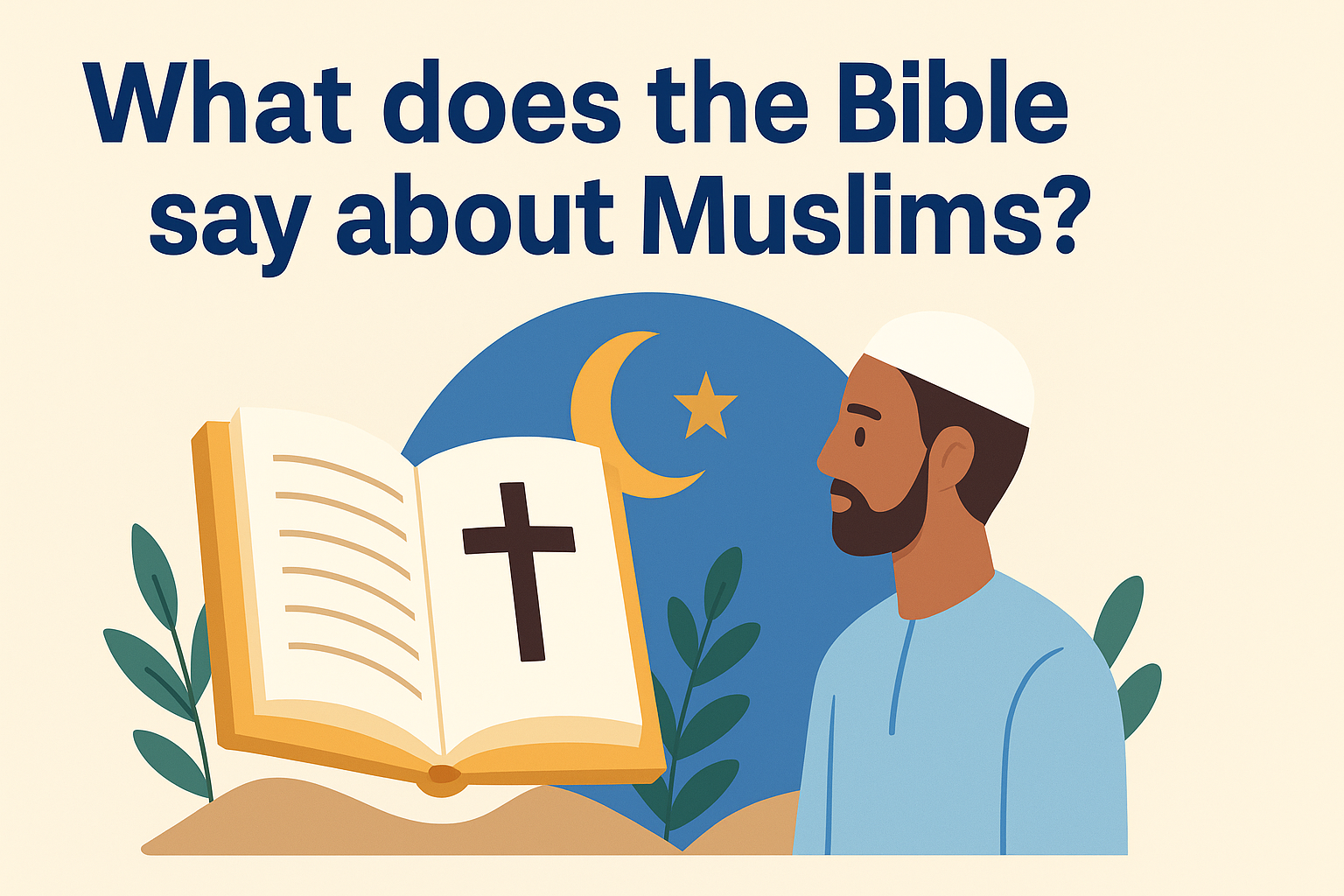
The Bible does not mention Muslims directly, as it was written centuries before Islam was founded in the 7th century. However, it does provide principles and teachings that can be applied to understanding how Christians might view Muslims today. At its core, the Bible emphasizes love, respect, and compassion for all people, regardless of their faith.
In this article, we will explore what the Bible says about relationships with others, including Muslims, by examining key teachings and passages that promote understanding and peace. We will also consider the historical context and how these teachings can guide contemporary interactions.
Love Your Neighbor
One of the foundational teachings of the Bible is the commandment to love one’s neighbor. In the Gospel of Mark, Jesus is asked which commandment is the most important. He replies, “The most important commandment is this: ‘Hear, O Israel! The Lord our God is the one and only Lord. And you must love the Lord your God with all your heart, all your soul, all your mind, and all your strength.’ The second is equally important: ‘Love your neighbor as yourself.’ No other commandment is greater than these” (Mark 12:29-31 NLT).
This commandment does not specify who qualifies as a neighbor. It suggests that love should extend beyond cultural, religious, or ethnic boundaries. Muslims, like any other group, fall under the category of “neighbors.” This teaching encourages Christians to approach Muslims with love and understanding rather than hostility or prejudice.
Respect for Others
The Bible also emphasizes the importance of treating others with respect. In 1 Peter 2:17, it states, “Respect everyone, and love the family of believers. Fear God, and respect the king.” This verse encourages believers to show respect to all people, regardless of their beliefs. Recognizing the humanity in others fosters a spirit of dialogue and mutual respect.
Embracing Differences
While Christians and Muslims have significant theological differences, the Bible teaches the value of embracing those differences without compromising one’s own beliefs. Romans 14:1 advises, “Accept other believers who are weak in faith, and don’t argue with them about what they think is right or wrong.” This principle can be applied to interactions with Muslims, as it encourages Christians to engage in respectful conversations rather than contentious debates about faith.
The Call to Peace
Another key aspect of the Bible is its emphasis on peace. In Matthew 5:9, Jesus said, “God blesses those who work for peace, for they will be called the children of God.” This instruction encourages Christians to actively seek peace in their interactions, including those with Muslims. Building bridges of understanding can lead to a more harmonious coexistence.
Jesus’ Teachings on Enemies
Jesus took the concept of love further by teaching about how to treat enemies. In Matthew 5:44, He instructs, “But I say, love your enemies! Pray for those who persecute you!” This radical teaching challenges believers to overcome animosity and strive for reconciliation, even with those who may oppose their beliefs. This approach is vital in fostering mutual respect and understanding between Christians and Muslims.
Common Ground in Values
Despite differences in theology, Christians and Muslims share several core values, such as compassion, charity, and the importance of family. Acknowledging these shared values can create a foundation for dialogue and cooperation. The Bible encourages believers to find common ground in their interactions with others, promoting a spirit of collaboration and understanding.
Understanding Islam
To engage meaningfully with Muslims, Christians should strive to understand Islamic beliefs and practices. This can be done through respectful conversations, reading about Islam, and attending interfaith dialogues. The Bible encourages wisdom and knowledge, as seen in Proverbs 18:15: “Intelligent people are always ready to learn. Their ears are open for knowledge.”
Witnessing Through Actions
The Bible teaches that actions often speak louder than words. As Christians interact with Muslims, they should embody the love and compassion of Christ. In John 13:35, Jesus says, “Your love for one another will prove to the world that you are my disciples.” This love can serve as a witness to the Christian faith, demonstrating the values of kindness and respect that transcend religious boundaries.
The Role of the Holy Spirit
Christians believe that the Holy Spirit plays a vital role in guiding them in their interactions with others. In Galatians 5:22-23, Paul lists the fruits of the Spirit, which include love, joy, peace, patience, kindness, goodness, faithfulness, gentleness, and self-control. These qualities should characterize a Christian’s approach to all individuals, including those of different faiths.
As Christians seek to live out these principles, they can create a positive and inviting atmosphere for dialogue with Muslims. The Bible calls believers to reflect Christ’s love in every interaction, fostering understanding and respect.
The Importance of Forgiveness
Forgiveness is a central theme throughout the Bible, and it is essential in building relationships across faiths. In Matthew 6:14-15, Jesus teaches, “If you forgive those who sin against you, your heavenly Father will forgive you. But if you refuse to forgive others, your Father will not forgive your sins.” This principle highlights the necessity of forgiveness in maintaining peace and harmony, even in the face of conflict or misunderstanding with those of different beliefs, including Muslims.
Forgiveness allows Christians to move past grievances, promoting reconciliation and understanding. By practicing forgiveness, Christians can demonstrate the love of Christ to others, opening doors for meaningful conversations and relationships.
Engaging in Dialogue
In an increasingly interconnected world, dialogue between Christians and Muslims is more important than ever. The Bible encourages believers to communicate openly and honestly. In Colossians 4:6, it states, “Let your conversation be gracious and attractive so that you will have the right response for everyone.” This verse underscores the importance of respectful dialogue, which can lead to deeper understanding and reduce misconceptions about each other’s faiths.
Engaging in interfaith dialogue allows Christians to share their beliefs while also listening to the perspectives of Muslims. This two-way communication fosters mutual respect and can help dispel stereotypes and prejudices, leading to a more compassionate society.
The Role of Love in Action
Love is not merely a feeling but is also expressed through actions. The Bible emphasizes that true love requires tangible expressions. In 1 John 3:18, it says, “Dear children, let’s not merely say that we love each other; let us show the truth by our actions.” This principle can be applied in interactions with Muslims by actively demonstrating love and kindness, whether through community service, charity, or simply being a good neighbor.
By participating in acts of compassion and service that benefit all members of the community, Christians can exemplify the love of Christ. This commitment to action can break down barriers and foster positive relationships with Muslims and others.
Prayer for Understanding
Prayer is another vital aspect of the Christian faith that can help bridge gaps between different religious communities. In James 1:5, it encourages believers to seek wisdom from God: “If you need wisdom, ask our generous God, and he will give it to you.” Christians can pray for understanding and guidance in their relationships with Muslims, asking God to help them see others through His eyes and to cultivate a spirit of love and acceptance.
Prayer can also be a way to intercede for peace and cooperation among different faith communities, acknowledging the shared humanity that connects all people.
Recognizing Shared Humanity
At the heart of Christian teaching is the understanding that all people are created in the image of God. Genesis 1:27 states, “So God created human beings in his own image. In the image of God, he created them; male and female he created them.” This foundational truth emphasizes the inherent dignity and worth of every individual, including Muslims.
By recognizing the shared humanity of all people, Christians can approach interactions with Muslims from a place of empathy and compassion. This perspective encourages dialogue and understanding while acknowledging commonalities rather than focusing solely on differences.
Responding to Misunderstandings
Misunderstandings between different faiths can lead to conflict and division. The Bible provides guidance on how to respond to such issues. In Proverbs 15:1, it says, “A gentle answer deflects anger, but harsh words make tempers flare.” This wisdom encourages Christians to approach misunderstandings with patience and gentleness, fostering an environment conducive to resolution rather than escalation.
By responding to misunderstandings with kindness and a willingness to listen, Christians can build trust and create opportunities for constructive dialogue with Muslims.
Embracing a Mission of Peace
Christians are called to be peacemakers, as highlighted in Matthew 5:9. This mission extends to all people, including Muslims. Embracing a mission of peace involves actively seeking ways to promote harmony and understanding in a diverse world. This might include participating in interfaith events, community outreach programs, or simply being a good neighbor.
By living out the call to be peacemakers, Christians can contribute to a more inclusive and understanding society, demonstrating the love of Christ in action.
Conclusion: A Call to Compassionate Engagement
While the Bible does not specifically mention Muslims, its teachings provide a framework for how Christians can engage with them and others of different faiths. Central to this engagement are the principles of love, respect, forgiveness, and understanding. By embracing these values, Christians can foster constructive relationships with Muslims, promoting peace and collaboration in a diverse world.
Ultimately, the call to compassion and understanding transcends religious boundaries. As Christians seek to embody the teachings of Christ, they can contribute to a more harmonious coexistence, reflecting the love of God to all people, including those of different faiths.
For further insights on interfaith interactions, consider exploring interfaith dialogue and how it can promote understanding, or read about building compassionate relationships across diverse communities.