
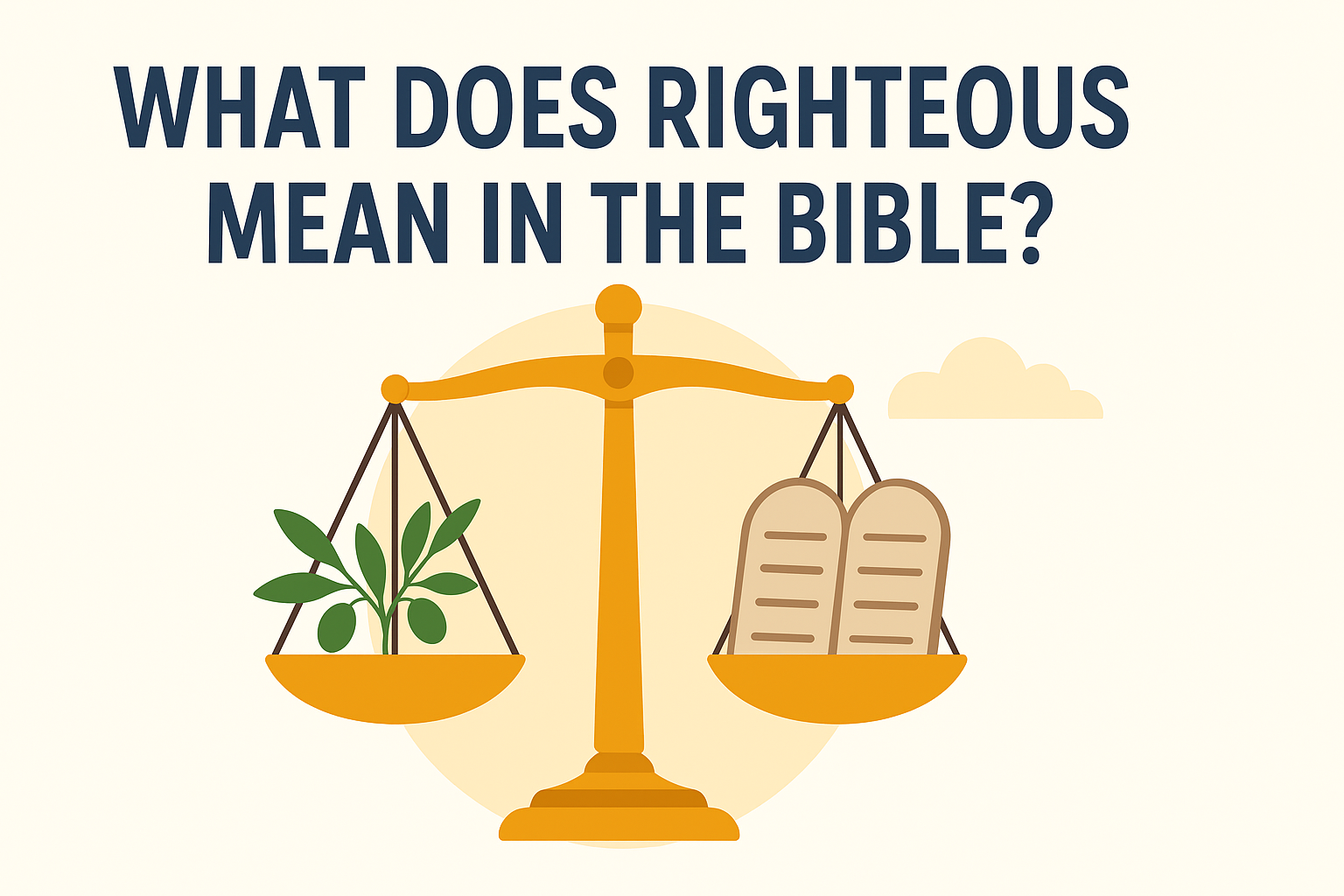
In the Bible, the term “righteous” refers to being in right standing with God, living according to His standards, and exhibiting moral integrity. It is often associated with justice, fairness, and adherence to God’s laws. Righteousness is not merely an external appearance but is deeply rooted in one’s heart and relationship with God.
The concept of righteousness is fundamental to both the Old and New Testaments. It encompasses the idea of being morally upright and fulfilling God’s commands. Righteousness is a quality that God possesses and desires His followers to embody as well.
Righteousness in the Old Testament
In the Old Testament, the Hebrew word for “righteous” is “tsaddiq,” which implies a sense of justice and moral integrity. Righteousness is often depicted in the context of covenant relationships, particularly between God and His people. For example, in Genesis 15:6, it is stated that Abraham “believed the Lord, and he credited it to him as righteousness.” This verse highlights that righteousness is linked to faith and trust in God.
Another significant mention of righteousness can be found in Psalm 119:172, where it says, “All your commands are righteous.” This emphasizes that God’s laws and decrees reflect His righteousness, and following these commands is essential for living a righteous life.
Examples of Righteous Individuals
The Old Testament provides several examples of righteous individuals who lived in accordance with God’s will. One prominent figure is Noah, described in Genesis 6:9 as “a righteous man, blameless among the people of his time.” His righteousness set him apart during a time of widespread wickedness, leading to God’s favor and the preservation of his family through the flood.
Another example is Job, who is described as “blameless and upright” (Job 1:1). His story illustrates that righteousness does not guarantee a life free of suffering, but it does demonstrate a steadfast commitment to God even in adversity.
Righteousness in the New Testament
In the New Testament, the Greek term for “righteous” is “dikaios,” which carries similar connotations of justice and moral rightness. The New Testament emphasizes that righteousness is not solely achieved through adherence to the law but through faith in Jesus Christ. Romans 3:22 states, “We are made right with God by placing our faith in Jesus Christ.” This shift highlights the importance of grace and faith in the New Covenant.
One of the most famous passages concerning righteousness is found in Matthew 5:6, where Jesus declares, “Blessed are those who hunger and thirst for righteousness, for they will be filled.” This beatitude emphasizes the desire for righteousness as a central aspect of the Christian faith, indicating that those who seek after it will find fulfillment.
The Role of Righteousness in Salvation
The New Testament also reveals that righteousness is a key component of salvation. In 2 Corinthians 5:21, it states, “For God made Christ, who never sinned, to be the offering for our sin, so that we could be made right with God through Christ.” This verse illustrates that Christ’s sacrifice enables believers to be seen as righteous before God, not because of their own merit but because of faith in Him.
Additionally, Ephesians 2:8-9 teaches that salvation is a gift from God, not a result of works, so that no one can boast. This reinforces that righteousness comes through faith, not through human effort or adherence to the law alone.
The Call to Righteous Living
While righteousness is a gift from God, the Bible also calls believers to pursue a life that reflects this righteousness. In Philippians 1:11, Paul encourages the church to be “filled with the fruit of righteousness that comes through Jesus Christ.” This indicates that a righteous life produces good works and character that glorify God.
James 1:20 emphasizes the importance of righteous behavior, stating, “Human anger does not produce the righteousness that God desires.” This passage highlights that one’s actions should align with God’s standards of righteousness and that living righteously is a response to God’s grace.
Righteousness and Justice
The Bible often links righteousness with justice. In Isaiah 1:17, God commands His people to “learn to do good; seek justice, correct oppression.” This demonstrates that living righteously involves not only personal integrity but also advocating for justice and caring for the marginalized and oppressed.
Furthermore, Micah 6:8 succinctly outlines what God requires: “to act justly and to love mercy and to walk humbly with your God.” This verse encapsulates the essence of righteousness as it relates to both personal conduct and social responsibility.
In summary, righteousness in the Bible encompasses a deep, relational aspect with God characterized by faith, moral integrity, and justice. It is a quality that God desires in His followers, urging them to pursue a life that reflects His character and commands.
The Transformative Power of Righteousness
Righteousness in the Bible is not just a static quality but a transformative power that affects both the individual and the community. When a person embraces righteousness, it leads to a life marked by change, growth, and a deeper relationship with God. This transformation is a central theme in the teachings of the New Testament, which emphasizes that true righteousness results in a life that bears fruit for God’s kingdom.
Romans 12:1-2 encourages believers to “offer your bodies as a living sacrifice, holy and pleasing to God.” This call to present oneself to God as a living sacrifice highlights that righteousness is an active pursuit rather than a passive state. It involves daily choices that align with God’s will and character.
Righteousness as a Fruit of the Spirit
In Galatians 5:22-23, the Apostle Paul lists the fruits of the Spirit, which include love, joy, peace, and, notably, goodness and faithfulness. These qualities are the natural outcome of a life led by the Holy Spirit, and they reflect righteousness in action. When believers walk in the Spirit, their lives will naturally exhibit the righteousness that God desires.
This connection between righteousness and the Holy Spirit underscores the idea that human effort alone is insufficient to achieve true righteousness. Instead, it is through the empowerment of the Holy Spirit that believers can live righteously, producing good works that glorify God and serve others.
Righteousness in the Context of Community
The Bible also emphasizes that righteousness is not solely an individual pursuit. It has communal implications that affect how believers interact with one another. The early church in Acts 2:44-45 exemplified this communal righteousness by sharing their possessions and caring for one another’s needs. This selflessness reflects the heart of God’s righteousness, which seeks the welfare of others.
Hebrews 10:24 encourages believers to “consider how we may spur one another on toward love and good deeds.” This verse illustrates that righteousness is nurtured within the context of community. Believers are called to support and uplift each other, creating an environment where righteousness can thrive.
The Pursuit of Justice
As previously mentioned, righteousness is closely tied to justice. The Bible consistently calls for justice as an expression of righteousness. In Proverbs 21:3, it says, “To do what is right and just is more acceptable to the Lord than sacrifice.” This indicates that God values ethical behavior and justice over mere ritualistic practices.
Additionally, the prophetic books of the Old Testament repeatedly urge God’s people to act justly and care for the vulnerable. For instance, Isaiah 58:6-7 calls for genuine acts of justice, such as freeing the oppressed and providing for the needy. This prophetic voice highlights that true righteousness is demonstrated through actions that advocate for social justice and equity.
Challenges in the Pursuit of Righteousness
While the call to righteousness is clear, believers often face significant challenges in their pursuit. The world’s values can conflict with God’s standards, leading to temptations and moral dilemmas. Romans 7:15-20 captures this struggle, where Paul expresses the internal conflict between wanting to do good and the sinful nature that pulls him in the opposite direction.
This struggle emphasizes the need for reliance on God’s grace and the power of the Holy Spirit. Philippians 4:13 reassures believers that “I can do all things through Christ who strengthens me.” This verse serves as a reminder that God equips His followers to pursue righteousness, even amidst challenges.
Questions for Reflection
As we explore the meaning of righteousness in the Bible, it is helpful to reflect on several questions:
- What does it mean to you to live righteously in your everyday life?
- How can you actively pursue righteousness in your relationships with others?
- In what ways can you advocate for justice and support those who are marginalized or oppressed?
- What steps can you take to deepen your relationship with God and rely on the Holy Spirit for guidance in your pursuit of righteousness?
The Ultimate Source of Righteousness
Ultimately, the foundation of righteousness in the Bible is rooted in Jesus Christ. He is described as the “righteous one” who fulfills the law and embodies perfect righteousness. Believers are invited to find their identity and righteousness in Him. 1 Corinthians 1:30 states, “Christ made us right with God; he made us pure and holy, and he freed us from sin.” This verse encapsulates the essence of righteousness as a gift that transforms believers into the likeness of Christ.
As followers of Christ, the call to righteousness is both a privilege and a responsibility. It invites believers to reflect God’s character, seek justice, and live in a way that honors Him. By embracing righteousness, believers can experience a deeper relationship with God, contribute positively to their communities, and ultimately bring glory to His name.