
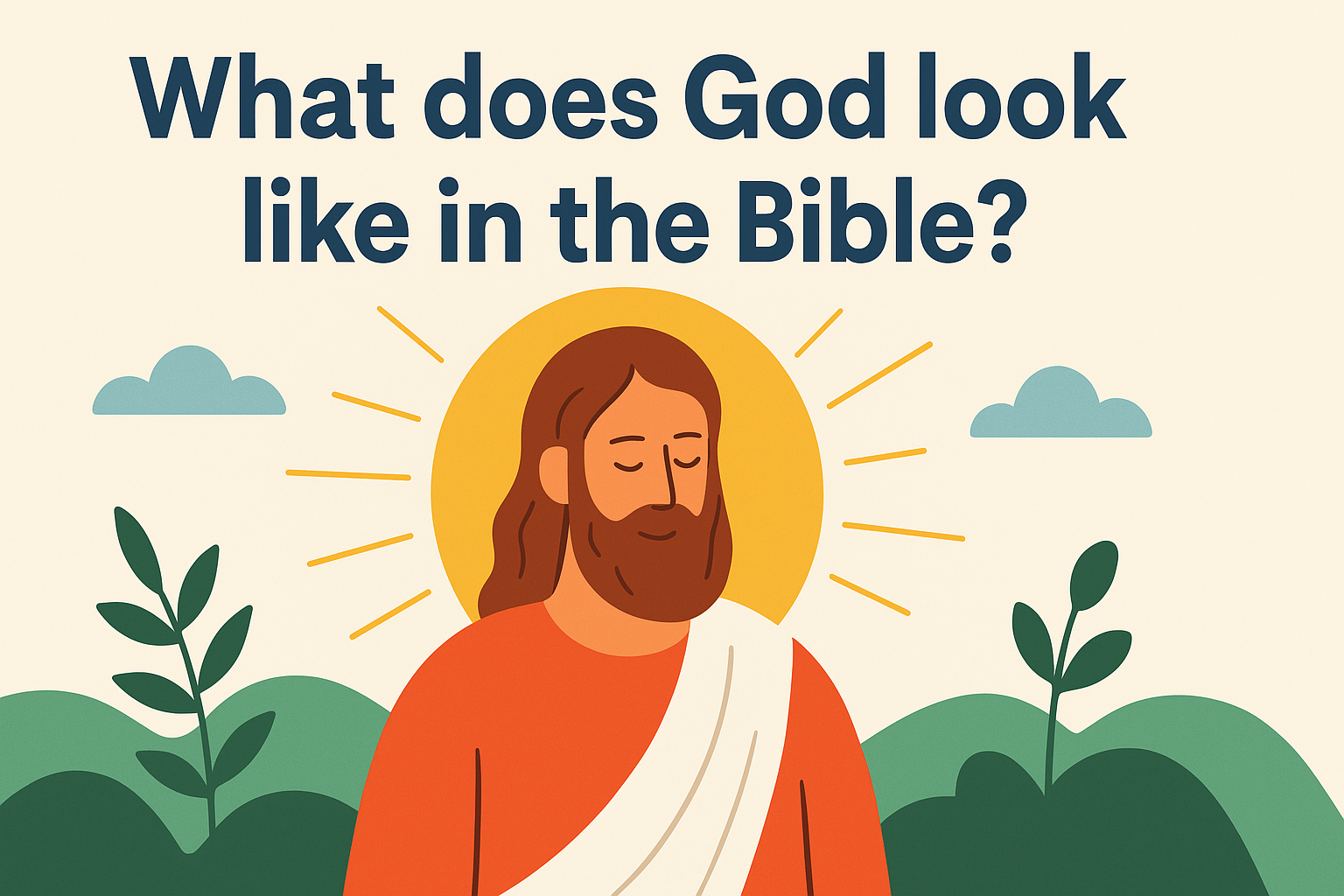
The question of what God looks like in the Bible is both profound and complex. Throughout Scripture, God is often described in metaphorical and non-physical terms. The Bible emphasizes His attributes and character more than His physical appearance. In essence, God is spirit (John 4:24), meaning He does not possess a physical form in the way humans do.
However, there are instances in the Bible where God reveals Himself in ways that allow people to perceive His glory, power, and presence. These manifestations can include visions, theophanies (appearances of God), and symbolic representations that convey His nature and intentions. In this article, we will explore various biblical descriptions and interpretations of God’s appearance.
God as Spirit
In the New Testament, Jesus teaches that “God is spirit, and those who worship Him must worship in spirit and truth” (John 4:24 NLT). This verse highlights that God transcends physical limitations. He is not confined to a human-like form or any physical entity. This foundational understanding shapes how we interpret other descriptions of God throughout the Bible.
Anthropomorphic Descriptions
The Bible often uses anthropomorphic language—describing God with human characteristics—to help us understand divine attributes. For example, God is referred to as having a “strong hand” or “outstretched arm” (Exodus 6:6), which symbolizes His power and ability to save. These terms do not suggest that God has literal hands or arms but rather communicate His might and involvement in human affairs.
Key Biblical Passages
- Exodus 33:18-23: Moses asks to see God’s glory. God responds that no one can see His face and live, but He allows Moses to see His back. This passage illustrates the incomprehensibility of God’s full glory.
- Isaiah 6:1-5: The prophet Isaiah has a vision of the Lord seated on a throne, surrounded by seraphim. The vision emphasizes God’s holiness and majesty rather than a specific physical appearance.
- Revelation 1:14-16: In John’s vision, Jesus is described with features like hair white as snow and eyes like flames of fire. These images convey authority and purity rather than a literal depiction.
The Shekinah Glory
In Jewish tradition, the term “Shekinah” refers to the divine presence of God. This presence is often associated with light and glory. For instance, when the Israelites were led through the desert, God’s presence was represented by a pillar of cloud by day and a pillar of fire by night (Exodus 13:21-22). These manifestations show how God communicates His presence and guidance rather than providing a visual representation of His form.
The Burning Bush
Another significant theophany is the burning bush encountered by Moses (Exodus 3:1-6). The bush was on fire but not consumed, indicating God’s holiness. When Moses approached, God instructed him to remove his sandals, for he was on holy ground. This encounter highlights the sacredness of God’s presence rather than a physical description.
Jesus: The Visible Image of God
In the New Testament, Jesus is described as the “image of the invisible God” (Colossians 1:15 NLT). This means that through Jesus, we can see the character and nature of God. Jesus embodied love, compassion, grace, and truth, providing a tangible representation of God’s essence. While Jesus took on human form, He is not merely a representation of God but is fully divine.
Understanding the Incarnation
The doctrine of the Incarnation teaches that God became fully human in Jesus Christ. This unique event allows believers to understand God in a relatable way. Jesus’ life, teachings, and actions provide a glimpse into God’s heart and desires for humanity. However, it is crucial to remember that Jesus’ physical appearance is not the definitive image of God. Rather, it is His actions and character that reveal God’s nature.
Symbolic Representations
The Bible also uses various symbols to convey aspects of God’s nature. For example, God is often referred to as a shepherd (Psalm 23), a fortress (Psalm 18:2), and a light (John 8:12). These symbols provide insight into God’s protective, guiding, and illuminating qualities while avoiding a fixed image.
The Lamb of God
In the book of Revelation, Jesus is referred to as the “Lamb” (Revelation 5:6). This imagery emphasizes His sacrificial role and the love He demonstrates for humanity. The lamb symbolizes innocence and purity, indicating God’s desire for redemption rather than bringing forth a physical description.
Conclusion of Part One
As we explore the question of what God looks like in the Bible, it becomes clear that Scripture prioritizes God’s character and attributes over physical representation. God’s nature is communicated through various means, including anthropomorphic language, visions, and the person of Jesus Christ. Understanding these aspects helps believers connect with God in a more profound and meaningful way.
The Nature of God’s Holiness
Another important aspect of understanding what God looks like in the Bible is His holiness. Holiness is a central attribute of God that defines His nature and sets Him apart from all creation. In Isaiah 6, we see the seraphim declaring, “Holy, holy, holy is the Lord of hosts; the whole earth is full of His glory.” This declaration emphasizes that God’s holiness is both a key characteristic and a part of His presence. While we may not see God physically, His holiness is often represented through light and overwhelming glory.
Visions of God’s Holiness
In various biblical accounts, God’s holiness is depicted through awe-inspiring visions. For example, in Ezekiel 1, the prophet describes a vision of God’s glory involving radiant light and living creatures, which symbolizes the divine presence. Such descriptions are not intended to provide a literal image of God but to convey the profound sense of reverence and awe that accompanies His holiness. This understanding influences how believers approach God in worship and prayer.
God’s Immanence and Transcendence
To further explore what God looks like in the Bible, we must consider His immanence and transcendence. God is both near to His creation and beyond it. His immanence means that He is actively involved in the world and in the lives of believers. The Bible conveys this through various metaphors, such as God being a refuge, a strong tower, and a close friend. These descriptions highlight how God desires a personal relationship with humanity.
On the other hand, God’s transcendence emphasizes His greatness and majesty, showing that He is above and beyond human understanding. This duality is captured in the Lord’s Prayer when Jesus teaches us to address God as “Our Father in heaven.” This phrase illustrates both the closeness of God as a loving father and His exalted position as the Creator.
God’s Presence in the Lives of Believers
In the New Testament, believers are assured of God’s presence through the Holy Spirit. This presence is described as a comforter and guide, indicating that while God may not have a physical form, He is intimately involved in the lives of those who follow Him. The Holy Spirit enables believers to experience God’s love and guidance, reinforcing the idea that God’s essence is relational rather than visual.
The Role of Faith in Understanding God
As we contemplate what God looks like, it is essential to recognize the role of faith in this understanding. Hebrews 11:1 defines faith as “the assurance of things hoped for, the conviction of things not seen.” This verse encapsulates the essence of knowing God—believers are called to trust in His character and promises, even without a physical representation. Faith enables believers to grasp the reality of God’s presence and attributes, allowing them to experience a personal relationship with Him.
Faith and Spiritual Perception
Spiritual perception is vital in recognizing God’s workings in the world and in individual lives. Through prayer, meditation, and the study of Scripture, believers can gain insight into God’s nature. This process often leads to a deeper understanding of His love, mercy, and justice, allowing believers to see God’s fingerprints in their daily lives. Such experiences can be transformative, revealing God’s character and presence in profound ways.
God’s Revelation Through Creation
Another way the Bible illustrates what God looks like is through His creation. Romans 1:20 states that God’s invisible qualities, such as His eternal power and divine nature, can be understood through what has been made. The beauty and complexity of the natural world serve as a reflection of God’s creativity and majesty. Believers often find glimpses of God’s character in the intricacies of nature, from the vastness of the universe to the delicate details of a flower.
Creation as a Reflection of God
The psalmist expresses this idea beautifully in Psalm 19:1, stating, “The heavens declare the glory of God.” This verse suggests that while God may not have a physical form, His presence and attributes are evident in the world around us. Appreciating creation can deepen one’s understanding of God’s greatness and inspire worship, as believers recognize the touch of the Creator in every aspect of life.
Conclusion
In summary, the question of what God looks like in the Bible transcends physical descriptions. Instead, Scripture emphasizes God’s holiness, relational nature, and the ways He reveals Himself through creation, Jesus Christ, and His active presence in the lives of believers. By understanding these aspects, believers can develop a deeper relationship with God, appreciating His character and attributes without needing a specific visual representation. Ultimately, God’s essence is experienced through faith, love, and the transformative power of His presence in our lives.
For further exploration of God’s attributes and His relationship with creation, consider reading about God’s holiness and how it shapes our worship, as well as the significance of Jesus’ incarnation in understanding God’s nature and love for humanity.