
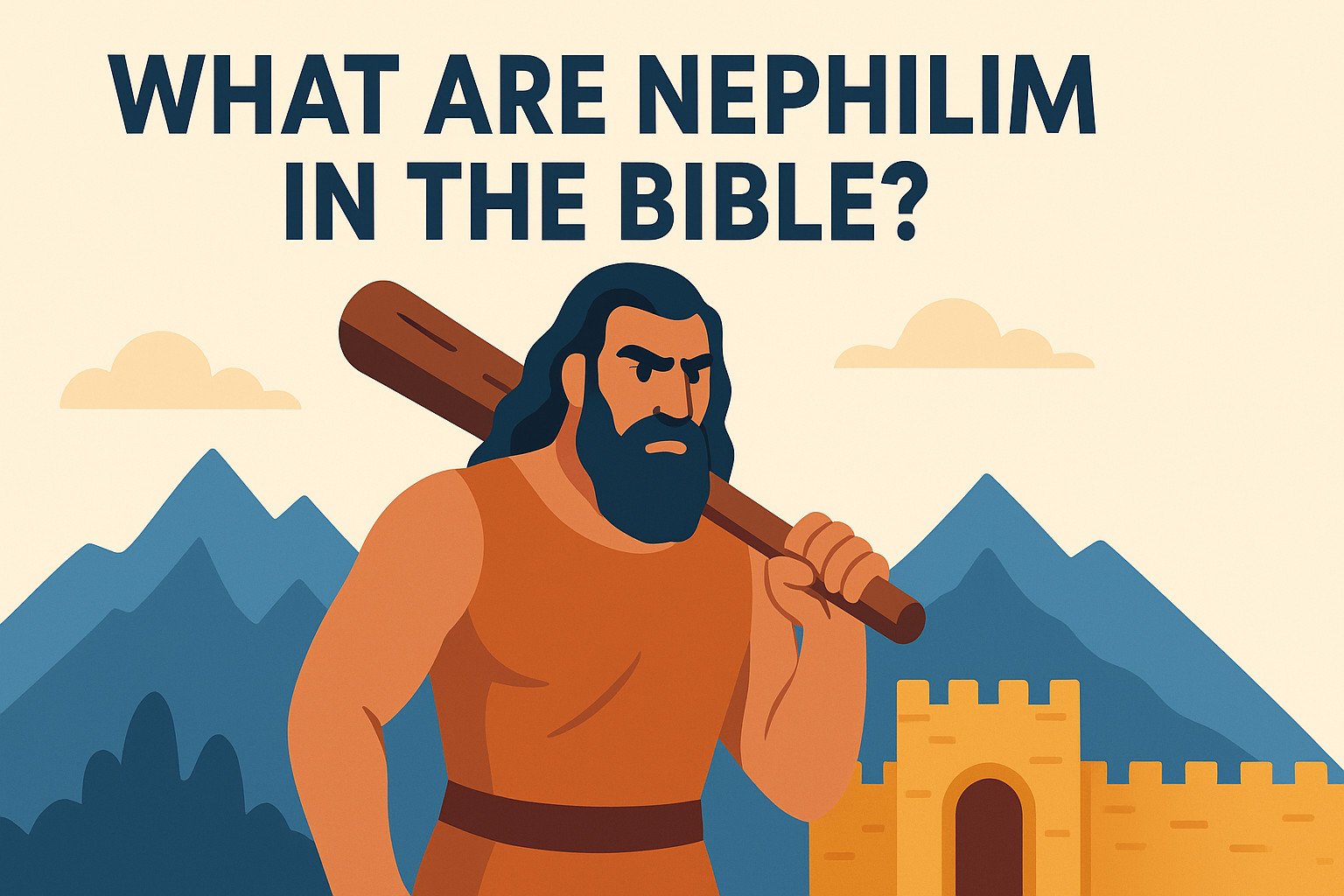
The Nephilim are mysterious figures mentioned in the Bible, specifically in Genesis 6:1-4. They are often described as giants or mighty warriors, but their exact nature and origin remain a topic of debate among scholars and theologians. The term “Nephilim” itself is derived from a Hebrew word that can mean “fallen ones,” although interpretations vary.
In the context of the biblical narrative, the Nephilim appear during a time when the “sons of God” took human wives, leading to the birth of these extraordinary beings. This passage raises questions about their identity and the implications of their existence in relation to humanity and divine judgment.
The Biblical Account of the Nephilim
The most direct reference to the Nephilim is found in Genesis 6:1-4, which reads:
“When human beings began to multiply on the earth and daughters were born to them, the sons of God saw that the daughters of humans were beautiful, and they married any of them they chose. Then the Lord said, ‘My Spirit will not contend with humans forever, for they are mortal; their days will be a hundred and twenty years.’ The Nephilim were on the earth in those days—and also afterward—when the sons of God went to the daughters of humans and had children by them. They were the heroes of old, men of renown.” (Genesis 6:1-4, NLT)
This passage highlights a time of moral decline and increasing wickedness on the earth, setting the stage for God’s decision to send the Flood. The mention of the Nephilim in this context suggests that they played a role in this corruption.
Who Were the “Sons of God”?
Understanding who the “sons of God” are is crucial for interpreting the passage. There are several interpretations:
- Fallen Angels: One traditional view is that the “sons of God” were fallen angels who took human wives. This interpretation is often supported by the Book of Enoch, an ancient Jewish text that elaborates on the story of the Watchers, angels who descended to Earth and had offspring with human women.
- Lineages of Seth and Cain: Another interpretation suggests that the “sons of God” refer to the godly line of Seth, while the “daughters of humans” represent the ungodly line of Cain. This view emphasizes the dangers of intermarriage between believers and non-believers, leading to moral decay.
- Ancient Kings or Nobles: Some scholars propose that the “sons of God” were ancient kings or powerful rulers who took multiple wives, reflecting the social norms of that time.
Each interpretation carries its own implications and reflects the complexities of ancient biblical texts.
The Nature of the Nephilim
The Nephilim are often described as “heroes of old” and “men of renown.” This description suggests that they were not only physically imposing but also notable for their deeds or accomplishments. However, the text does not provide specific details about their actions or characteristics. This ambiguity has led to various interpretations.
Some view the Nephilim as literal giants, suggesting that their size and strength made them formidable figures. This interpretation aligns with ancient Near Eastern literature that often features giant beings. Others see them as symbolic representations of human pride and rebellion against God, illustrating the consequences of sin.
Nephilim in Ancient Literature and Tradition
The Nephilim are mentioned in other ancient texts, most notably in the Book of Enoch, which expands on their story. This non-canonical book describes the Nephilim in greater detail, depicting them as the offspring of fallen angels and human women, who brought chaos and violence to the earth. While the Book of Enoch is not considered scripture by most Jewish and Christian traditions, it provides insight into how the Nephilim were viewed in ancient times.
In addition to the Book of Enoch, the concept of giants or mighty beings appears in other ancient Near Eastern texts and mythology. This suggests that the figure of the Nephilim may have resonated with broader cultural narratives about extraordinary beings and their impact on humanity.
Interpretations and Controversies
The interpretation of the Nephilim has sparked considerable debate among theologians and biblical scholars. Key questions arise regarding their nature, origin, and the significance of their existence:
- Are the Nephilim fallen angels or humans? The debate over the identity of the “sons of God” directly influences one’s understanding of the Nephilim. Each interpretation carries theological implications about the nature of sin and the interaction between the divine and human realms.
- What is the significance of their existence? The presence of the Nephilim in the narrative raises questions about the state of humanity before the Flood. Are they merely a footnote in history, or do they serve as a warning against the consequences of moral decline?
- How do the Nephilim relate to other biblical themes? The Nephilim’s story intersects with themes of judgment, sin, and redemption. Their existence contributes to the broader narrative of God’s relationship with humanity and His response to sin.
These questions highlight the complexity of the Nephilim narrative and the richness of biblical interpretation.
The Nephilim and the Flood Narrative
The context of the Nephilim’s appearance in Genesis is crucial to understanding their significance. Their mention occurs just before the account of the Great Flood, a pivotal event in the Bible that emphasizes God’s judgment on human wickedness. The narrative suggests that the Nephilim were part of a broader moral decline that led to God’s decision to cleanse the earth.
In Genesis 6:5-7, it states that the Lord saw how great the wickedness of the human race had become and that every inclination of the thoughts of the human heart was only evil all the time. This grim assessment of humanity’s condition sets the stage for the Flood, as God expresses regret for creating mankind. The Nephilim, as figures associated with this time of corruption, exemplify the consequences of humanity’s rebellion against God.
Theological Implications of the Nephilim
The existence of the Nephilim raises profound theological questions, particularly concerning the nature of sin and divine judgment. Their story invites believers to consider the following:
- The Nature of Evil: The Nephilim’s presence serves as a stark reminder of the potential for evil within humanity. Their existence and the chaos they brought highlight the need for vigilance against moral decay.
- Divine Justice: The Flood represents God’s response to rampant wickedness. The Nephilim’s role in this narrative prompts reflection on how God deals with sin and the lengths to which He will go to restore righteousness.
- Hope and Redemption: While the story focuses on judgment, it also opens discussions about hope and the possibility of redemption. Noah, a righteous man, is saved from the Flood, illustrating that even in a corrupt world, God preserves a remnant for His purposes.
Cultural Perspectives on the Nephilim
Throughout history, the Nephilim have captured the imagination of various cultures, leading to numerous interpretations. In Jewish tradition, the Book of Enoch provides a detailed narrative about the Nephilim, portraying them as dangerous beings whose actions led to divine retribution. This text, while not included in the canonical Bible, offers a glimpse into how ancient communities understood the implications of the Nephilim’s existence.
In Christian tradition, interpretations of the Nephilim have evolved over the centuries. Some early Church Fathers viewed them as symbols of human pride and rebellion, while others focused on the literal interpretation of them as giants. This diversity of thought reflects the broader struggle to understand the complexities of biblical texts and their relevance to contemporary faith.
Nephilim in Modern Context
In contemporary discussions, the Nephilim have found their way into popular culture, often depicted in literature, films, and other media. These portrayals can blur the lines between biblical truth and creative interpretation, leading to a mix of fascination and misunderstanding.
Some modern interpretations focus on the Nephilim as metaphors for modern issues, such as the consequences of unchecked power or the dangers of moral compromise. This reflects an ongoing relevance of the Nephilim narrative as a cautionary tale in today’s world.
Questions for Further Reflection
As Christians explore the topic of the Nephilim, several questions can guide deeper reflection:
- What lessons can we draw from the Nephilim’s story regarding the nature of sin and its consequences? Understanding the implications of their existence can help believers navigate moral challenges in their own lives.
- How does the narrative of the Nephilim inform our understanding of God’s justice and mercy? Reflecting on how God dealt with sin in the past can shape our view of His character today.
- In what ways can we apply the lessons from the Nephilim to contemporary issues of moral compromise and societal decline? This reflection can inspire action and commitment to uphold righteousness in a complex world.
Conclusion: The Nephilim’s Enduring Mystery
The Nephilim remain one of the Bible’s most enigmatic figures, prompting a myriad of interpretations and questions. Their presence in the Genesis narrative serves as a powerful reminder of the consequences of sin and the importance of moral integrity. While the exact nature and origin of the Nephilim may remain uncertain, their story invites believers to reflect on the broader themes of judgment, redemption, and the ongoing struggle between good and evil. As we seek to understand these ancient texts, we are reminded of the timeless lessons they offer for our lives today.
For more insights on biblical themes and figures, you can explore the significance of the Great Flood and the role of angels in scripture, which both relate to the broader narrative surrounding the Nephilim and their impact on humanity’s story.