
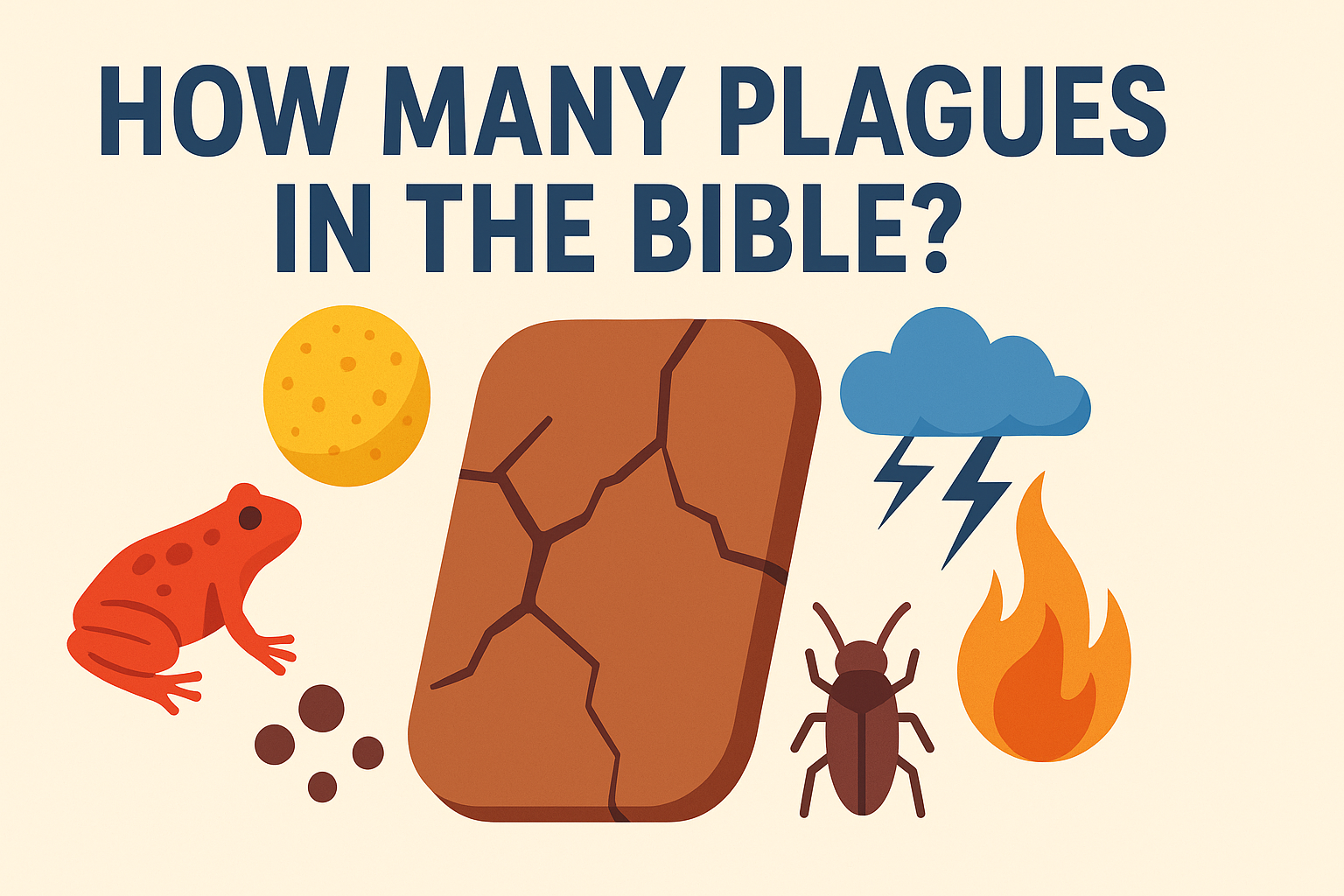
The Bible describes ten specific plagues that God inflicted upon Egypt to persuade Pharaoh to release the Israelites from slavery. These plagues are found in the book of Exodus, chapters 7 through 12. While these ten plagues are the most commonly referenced, there are other instances of divine punishment or calamity throughout the Bible, but they are not classified in the same way as the Egyptian plagues.
Understanding these ten plagues involves examining their significance, the context in which they occurred, and their lasting impact on both the Israelites and the Egyptians. The plagues serve not only as historical events but also as lessons about faith, obedience, and God’s sovereignty.
The Context of the Plagues
The plagues occurred during a pivotal moment in the history of the Israelites. After spending over 400 years in Egypt, the Israelites had become enslaved, and their cries for help reached God. In response, God chose Moses to lead them out of bondage. However, Pharaoh’s heart was hardened, and he refused to let the Israelites go. This set the stage for the ten plagues, which were both a demonstration of God’s power and a judgment against the gods of Egypt.
The Ten Plagues of Egypt
Each of the ten plagues had a specific purpose and significance. Below is a brief overview of each plague:
- Water Turned to Blood: The first plague turned the Nile River into blood, causing fish to die and making the water undrinkable (Exodus 7:14-24).
- Frogs: The second plague brought frogs upon the land, overwhelming homes and fields (Exodus 8:1-15).
- Gnats: The third plague caused dust to become gnats, affecting both people and animals (Exodus 8:16-19).
- Flies: The fourth plague sent swarms of flies, which notably did not affect the Israelites in Goshen (Exodus 8:20-32).
- Pestilence on Livestock: The fifth plague resulted in a deadly disease affecting the Egyptian livestock, while the Israelites’ livestock remained unharmed (Exodus 9:1-7).
- Boils: The sixth plague caused painful boils to break out on the Egyptians and their animals (Exodus 9:8-12).
- Hail: The seventh plague brought a severe hailstorm that destroyed crops and killed anyone caught outside (Exodus 9:13-35).
- Locusts: The eighth plague sent locusts to consume any remaining crops and vegetation (Exodus 10:1-20).
- Darkness: The ninth plague covered Egypt in darkness for three days, a significant event that highlighted the power of God over Egyptian deities (Exodus 10:21-29).
- Death of the Firstborn: The final and most devastating plague resulted in the death of every firstborn in Egypt, leading to the Israelites’ eventual liberation (Exodus 11:1-10; 12:29-30).
The Significance of the Plagues
Each plague was not only a punishment but also served to demonstrate God’s authority over Egypt’s gods. The Egyptians worshipped various deities associated with the Nile, fertility, livestock, and the sky. By inflicting these plagues, God was showing His supremacy over these false gods.
Lessons from the Plagues
The plagues teach several important lessons:
- God’s Sovereignty: The plagues illustrate that God is in control of all creation and can intervene in human affairs.
- Faith and Obedience: The Israelites were instructed to mark their doorposts with the blood of a lamb during the final plague as a sign of faith and obedience, leading to their protection (Exodus 12:1-13).
- Judgment and Mercy: While the plagues were a form of judgment against Egypt, they also provided opportunities for repentance and acknowledgment of God’s power.
Other Instances of Plagues in the Bible
While the ten plagues of Egypt are the most famous, the term “plague” appears elsewhere in the Bible. For example, during the Israelites’ wilderness wanderings, God sent plagues as punishment for disobedience (Numbers 11:33, 16:46-50). These instances demonstrate that God’s judgment can take many forms and may occur throughout history.
In the New Testament, plagues are also mentioned in the context of the end times, particularly in the book of Revelation, where various judgments are described as plagues inflicted upon the earth (Revelation 15-16).
Understanding how many plagues are described in the Bible involves recognizing the specific ten plagues of Egypt while also being aware of other references to plagues as divine judgment throughout biblical history. Each instance serves to remind believers of the seriousness of sin and the need for repentance, as well as God’s ultimate authority over all creation.
The Nature of Biblical Plagues
In the Bible, the term “plague” often refers to a sudden and widespread affliction, usually sent by God as a form of judgment. The Egyptian plagues are notable for their dramatic and public nature, designed to demonstrate God’s power to both the Israelites and the Egyptians. However, other plagues mentioned in Scripture may not be as overtly miraculous but still convey a similar message of divine judgment.
For instance, the plagues during the Israelites’ journey through the wilderness often stemmed from their disobedience and lack of faith. These incidents highlight the relationship between divine authority and human behavior. The plagues serve as reminders of the consequences that follow when people stray from God’s commands.
Plagues as a Reflection of God’s Character
The plagues reveal much about God’s character and His relationship with humanity. They are not merely acts of retribution; they also reflect God’s desire to call His people back to Himself. The plagues illustrate both His justice and His mercy. While He punishes sin, He also provides opportunities for repentance and redemption. The final plague in Egypt, for example, was a pivotal moment that led to the Israelites’ liberation, showcasing God’s willingness to save those who trust in Him.
Theological Implications of the Plagues
From a theological perspective, the plagues raise several important questions. What do they tell us about God’s sovereignty and authority? How does the concept of divine judgment manifest in our lives today? The plagues compel readers to consider the nature of sin and the seriousness with which God views disobedience.
Moreover, they challenge believers to reflect on their own lives. Are there areas where they may be resisting God’s will? The plagues serve as a historical reminder that God desires obedience, not just ritualistic worship. The Israelites’ deliverance from Egypt was not merely a physical act of salvation; it was also a spiritual awakening, calling them to live in covenant with God.
Connections to Jesus and Redemption
The plagues also foreshadow themes of redemption and sacrifice that find their ultimate expression in the New Testament. The blood of the lamb that protected the Israelites during the final plague serves as a precursor to the sacrificial death of Jesus Christ. Just as the blood marked the doorposts and granted safety, the blood of Christ provides spiritual protection and salvation for believers.
This connection emphasizes the continuity of God’s plan throughout Scripture. The plagues were not just historical events but also part of a larger narrative that culminates in the New Covenant. Understanding the plagues in this light can deepen one’s appreciation for the significance of Christ’s sacrifice and the overarching theme of redemption present in the Bible.
Modern Interpretations and Applications
In contemporary discussions, the plagues can be interpreted in various ways. Some view them as literal historical events, while others see them as allegorical lessons. Regardless of interpretation, the underlying principles remain relevant today. The plagues encourage believers to evaluate their relationship with God and the consequences of turning away from Him. They remind us of the importance of faith and obedience in our daily lives.
Furthermore, the concept of plagues has found resonance in modern contexts, especially during times of crisis or disaster. Many people draw parallels between biblical plagues and contemporary issues such as pandemics, natural disasters, or moral decay in society. These reflections can prompt introspection and a call to repentance within the community of believers.
Questions for Reflection
As we consider the significance of the plagues in the Bible, several questions arise:
- What do the plagues reveal about God’s character and His expectations for humanity?
- How can we apply the lessons of obedience and faith from the plagues to our lives today?
- In what ways might we see God’s hand at work in our current circumstances, and are we open to His calling?
- How does understanding the plagues enhance our appreciation for the sacrifice of Jesus and the concept of redemption?
Conclusion: The Lasting Impact of the Plagues
The ten plagues of Egypt represent more than mere historical events; they are foundational stories that shape the understanding of God’s nature, justice, and mercy. They remind believers of the importance of faith, obedience, and the consequences of sin. As we reflect on these events, we are called to recognize God’s sovereignty in our lives and to respond with faithfulness and repentance.
Ultimately, the plagues challenge us to consider how we live out our faith in a world that often resists God’s authority. They invite us to trust in His power to deliver and transform us, just as He did for the Israelites. Through understanding the plagues, we gain insight into the character of God and His ongoing work in the world today.
For further exploration of biblical themes, see our article on plagues in the Bible and learn about the significance of God’s judgment and mercy in Scripture in our piece on God’s judgment and mercy.