
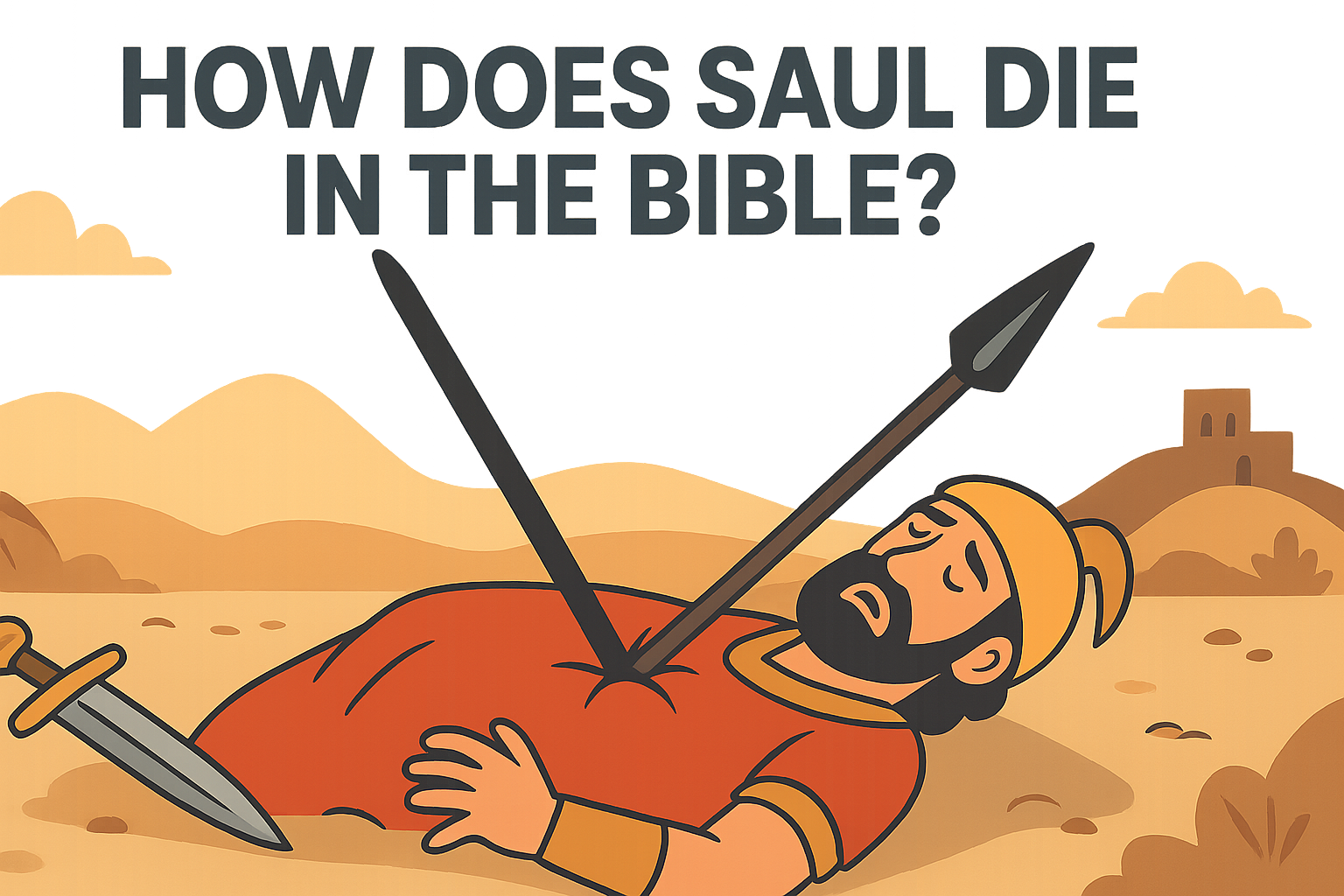
In the Bible, King Saul dies by falling on his own sword during a battle against the Philistines. This tragic end is described in 1 Samuel 31, where Saul faces overwhelming defeat and chooses to take his own life rather than be captured by his enemies. His death marks the end of his reign and the rise of David as the next king of Israel.
Saul’s demise is not merely a physical death; it also symbolizes the spiritual decline and turmoil that marked his kingship. Throughout his life, Saul struggled with obedience to God, leading to his eventual rejection by the Lord.
The Context of Saul’s Reign
To understand Saul’s death, it is essential to consider the context of his reign. Saul was anointed as Israel’s first king by the prophet Samuel. Initially, he was a promising leader, but over time, his disobedience to God led to a series of tragic decisions. Saul’s failure to follow God’s commands resulted in God rejecting him as king, which is a pivotal moment in his life.
God’s Rejection of Saul
In 1 Samuel 15, God commands Saul to destroy the Amalekites completely, including their king, Agag. However, Saul disobeys by sparing Agag and keeping the best of the livestock. When confronted by Samuel, Saul tries to justify his actions, claiming he saved the animals to offer sacrifices to God. Samuel responds by stating that God values obedience over sacrifice, declaring that God has rejected Saul as king (1 Samuel 15:22-23).
This rejection sets the stage for Saul’s downfall, as he becomes increasingly tormented and paranoid. He struggles with jealousy towards David, who is chosen by God to succeed him. Saul’s mental state deteriorates, leading to erratic behavior and violent outbursts.
The Battle Against the Philistines
The final battle that leads to Saul’s death occurs on Mount Gilboa. The Philistines, Israel’s longstanding enemies, gather their forces for a significant confrontation. As the battle unfolds, Saul’s army is overwhelmed. The account describes how Saul’s sons, including Jonathan, are killed in the battle, leaving Saul devastated (1 Samuel 31:1-2).
Saul’s Desperation
Realizing the situation is hopeless, Saul is filled with fear and despair. He knows that capture by the Philistines would lead to humiliation and torture. In a moment of desperation, he chooses to take his own life rather than face the consequences of being captured. The text states that Saul falls on his sword, committing suicide to avoid the shame of being taken prisoner (1 Samuel 31:4).
“Saul took his own sword and fell on it.” (1 Samuel 31:4, NLT)
Aftermath of Saul’s Death
Following Saul’s death, the Philistines celebrate their victory. They find Saul’s body and desecrate it by hanging it on the wall of Beth-shan as a trophy of war. This act of humiliation was meant to show their dominance over Israel and its fallen king (1 Samuel 31:9-10).
The news of Saul’s death brings grief to the people of Israel, particularly to David, who had a complicated relationship with Saul. Despite Saul’s attempts to kill him, David mourns for Saul and Jonathan, showing respect for the fallen king and his beloved friend (2 Samuel 1:11-12).
The Legacy of Saul
Saul’s death is not just a narrative about a king’s end; it serves as a cautionary tale about the consequences of disobedience and the complexities of leadership. Saul’s life and reign illustrate the importance of faithfulness to God and the dangers of allowing jealousy and fear to dictate one’s actions.
In the broader biblical narrative, Saul’s tragic end contrasts sharply with David’s rise to the throne. David, although flawed, is portrayed as a man after God’s own heart. This contrast highlights the themes of redemption and divine purpose that run throughout Scripture.
Saul’s death marks a significant turning point in the history of Israel, leading to David’s anointing and the establishment of a dynasty that would eventually include Jesus Christ. The story of Saul serves as a reminder of the importance of humility, obedience, and reliance on God in leadership.
The Spiritual Significance of Saul’s Death
Saul’s death is steeped in spiritual significance that goes beyond the physical act of suicide. His tragic end is a culmination of a life marked by disobedience and a struggle to align with God’s will. In biblical interpretation, Saul’s downfall serves as a warning about the dangers of straying from faithfulness and the consequences of pride. It raises important questions about the nature of sin and repentance, as well as the grace of God.
Saul’s Relationship with God
Throughout his reign, Saul’s relationship with God deteriorates. Initially, he was chosen by God to lead His people, demonstrating the potential for divine purpose. However, Saul’s repeated disobedience led to a rift between him and God. This highlights a key theme in the Bible: the necessity of maintaining a close relationship with God through obedience and humility.
Saul’s failure to genuinely repent after his transgressions emphasizes the importance of sincerity in seeking God’s forgiveness. While he often expressed remorse, his actions did not reflect a heart fully turned toward God. This aspect of Saul’s life invites readers to reflect on their own spiritual journeys and the necessity of authentic repentance.
Lessons from Saul’s Life and Death
Saul’s life and death provide several lessons for modern readers. One important lesson is the impact of leadership on a community. Saul’s choices affected not only his life but also the lives of the people of Israel. His fear and jealousy led to a toxic environment, which ultimately resulted in his downfall. This serves as a reminder for leaders today to lead with integrity and faithfulness.
The Role of Jealousy and Fear
Jealousy and fear are central themes in Saul’s narrative. His jealousy of David’s rising popularity led him to make irrational decisions, including attempts on David’s life. This illustrates how unchecked emotions can lead to destructive behavior, not only for the individual but also for those around them. Saul’s spiral into paranoia and his inability to trust God ultimately led to his demise.
Reflecting on these themes can prompt individuals to consider how they handle jealousy or fear in their own lives. Are these emotions leading to destructive actions? Are they affecting relationships with others and with God? Saul’s story encourages self-examination and the pursuit of peace over jealousy.
Saul’s Death in Relation to David’s Ascendancy
Saul’s death also sets the stage for David’s rise to power, representing a transition in leadership that is crucial for the history of Israel. David’s anointing by Samuel as the future king signifies a new direction for Israel, one that will be marked by a closer relationship with God. This change is highlighted in the contrasting approaches of both kings. While Saul faltered, David sought to be a man after God’s own heart, despite his own flaws.
The Mourning of David
David’s reaction to Saul’s death is one of profound grief. Despite Saul’s attempts to kill him, David honors Saul’s memory and mourns for both Saul and Jonathan. This response is significant, as it shows David’s character and his understanding of the complexities of human relationships. He recognizes Saul’s role as king and the tragedy of his downfall. David’s lament for Saul captures the sorrow of lost potential and the pain of betrayal, further emphasizing the personal and communal impacts of Saul’s choices.
Historical and Theological Reflections
From a historical perspective, Saul’s death marks a significant turning point in Israel’s narrative. It signifies the end of an era characterized by turmoil and disobedience, paving the way for a king who would seek God’s guidance. The theological implications are profound, as Saul’s life serves as a study in the dynamics of divine sovereignty and human agency. While God’s plans prevail, human decisions play a critical role in the unfolding of those plans.
This duality raises questions about free will and predestination in the context of faith. How do human failures coexist with God’s sovereignty? Saul’s story can encourage believers to reflect on their role in God’s plans and the importance of aligning their lives with His will.
Conclusion: The End of Saul’s Story
Saul’s death is a poignant reminder of the consequences of disobedience and the complexities of leadership. His tragic end serves as a cautionary tale about the dangers of pride, jealousy, and fear, urging readers to pursue a life marked by humility and faithfulness to God. The transition from Saul to David introduces themes of redemption and divine purpose, illustrating the transformative power of a heart turned toward God.
In a broader context, Saul’s story invites reflection on personal spiritual journeys and the importance of obedience in the life of a believer. It challenges individuals to seek genuine connection with God and to lead lives that reflect His love and faithfulness.
For further insights into the themes of leadership and obedience in the Bible, check out these articles: how does saul die in the bible and the complexity of biblical leadership.