
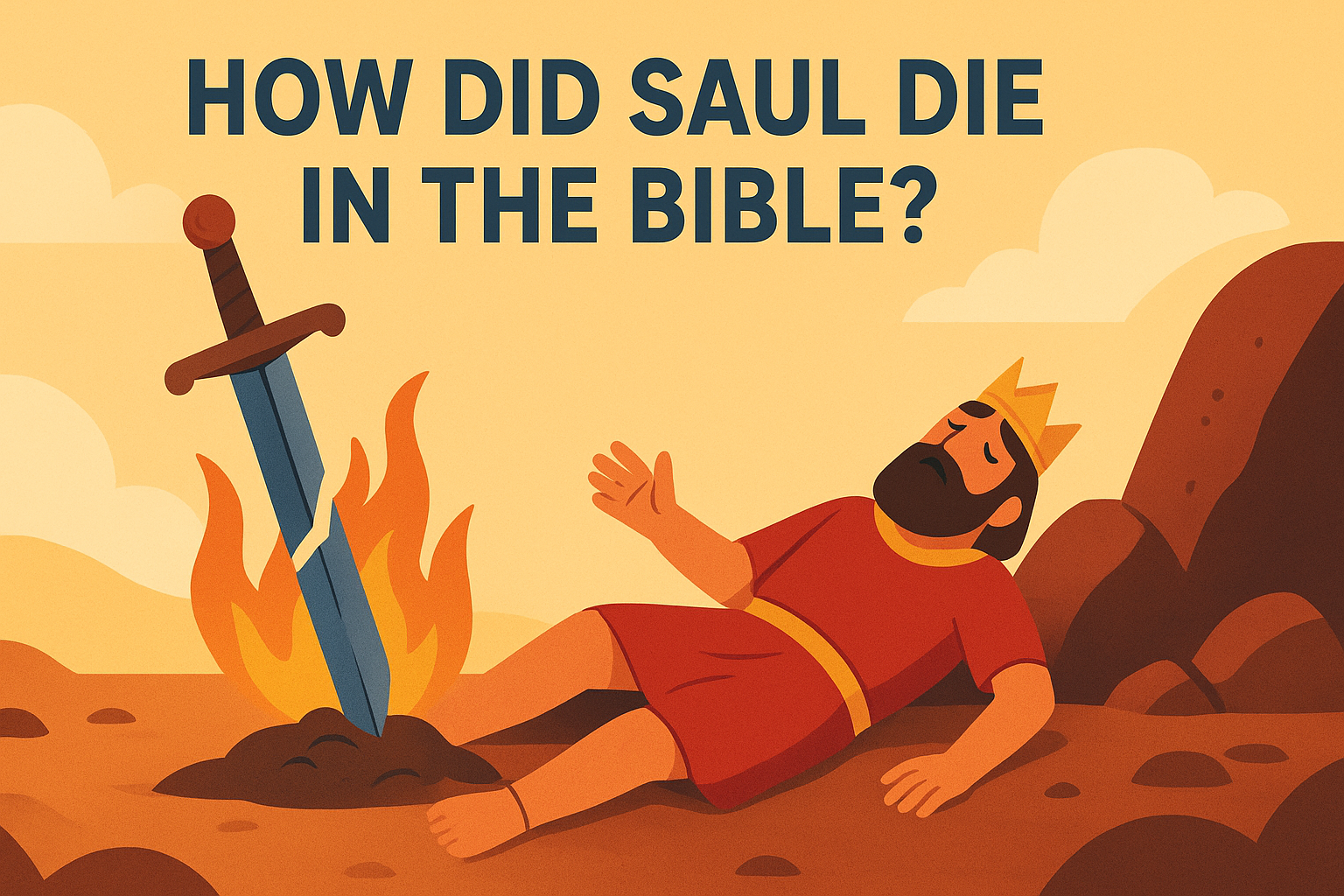
Saul, the first king of Israel, died in battle against the Philistines. His death is recorded in 1 Samuel 31, where it describes how he was critically wounded by enemy archers and ultimately took his own life to avoid capture. This tragic end highlights the consequences of Saul’s disobedience to God and his failure to seek divine guidance.
Understanding the details surrounding Saul’s death requires examining the biblical narrative that leads up to this moment, including the spiritual decline of Saul and the context of his final battle.
The Context of Saul’s Reign
Saul was anointed king by the prophet Samuel, chosen by God to lead Israel. His reign began with promise, as he initially showed great potential and was victorious in battle. However, over time, Saul’s relationship with God deteriorated. He disobeyed God’s commands on multiple occasions, including the failure to completely destroy the Amalekites as instructed (1 Samuel 15). This disobedience led to God rejecting Saul as king and choosing David as his successor.
Saul’s jealousy of David, who gained popularity and favor with the people, further fueled his decline. He became increasingly paranoid and attempted to kill David multiple times, leading to a series of conflicts between them. These personal struggles mirrored the spiritual turmoil within Saul, as he often sought guidance from God but was met with silence due to his unfaithfulness.
The Battle Against the Philistines
The final chapter of Saul’s life unfolds during a significant battle against the Philistines at Mount Gilboa. The Philistines had assembled their forces to confront Israel, and the tension was palpable. In 1 Samuel 28, we see Saul in desperation seeking guidance from a medium, as God had ceased to answer him through prophets or dreams. This act of consulting a medium was itself a grave sin and demonstrated Saul’s complete disconnection from God.
In this encounter, Saul learns that he and his sons will fall in battle the next day. This ominous prophecy contributes to Saul’s growing despair and fear as he prepares for the inevitable confrontation with the Philistines.
The Events of Saul’s Death
The battle at Mount Gilboa was fierce. The Israelite army was overwhelmed by the Philistine forces, and many of Saul’s men were killed. In the midst of this chaos, Saul was critically wounded by archers. 1 Samuel 31:3 recounts, “The fighting grew fierce around Saul, and when the archers caught up with him, they wounded him.” Faced with the prospect of capture and humiliation, Saul made a desperate decision.
Seeking to avoid the fate of being tortured or publicly shamed by the Philistines, Saul asked his armor-bearer to kill him. In 1 Samuel 31:4, Saul says, “Draw your sword and run me through, or these uncircumcised fellows will come and run me through and abuse me.” However, the armor-bearer was too afraid to do so. This left Saul with no choice but to fall on his own sword, taking his life in what is described as a tragic end to a troubled reign.
The Aftermath of Saul’s Death
Following Saul’s death, the Philistines found his body and desecrated it by beheading him and displaying it on their city walls as a trophy of victory. This act was not only a display of power but also a way to instill fear in the Israelites. The account of Saul’s death concludes with the lamentation of his death by the people of Jabesh Gilead, who bravely retrieved his body and buried it properly, honoring their fallen king (1 Samuel 31:11-13).
Saul’s death marks a pivotal moment in Israel’s history. It symbolizes the tragic consequences of disobedience and the loss of divine favor. Saul’s story serves as a cautionary tale about the importance of faithfulness to God and the dangers of pride, jealousy, and despair.
Theological Implications of Saul’s Death
Saul’s death carries significant theological implications that resonate throughout the Scriptures. His tragic end emphasizes the seriousness of disobedience to God. Throughout his reign, Saul had moments of potential, yet he continually chose paths that led him away from divine guidance. His choice to consult a medium in his final days reflects a deep spiritual crisis, illustrating how far he had strayed from God’s ways. This moment serves as a stark reminder of the consequences of turning away from God’s commandments, emphasizing the need for repentance and faithfulness.
Moreover, Saul’s death highlights the contrast between divine appointment and personal failure. Although Saul was chosen by God to be the first king of Israel, his inability to remain faithful led to his downfall. This theme is echoed in the New Testament, where individuals are also called to faithfulness in their walk with God. The narrative invites readers to reflect on their own relationship with God and the importance of obedience in the pursuit of a faithful life.
Saul’s Legacy and Its Impact on Israel
The legacy of Saul’s reign and his death had profound effects on the nation of Israel. Following his demise, David ascended to the throne, marking a new chapter in Israel’s history. David, known for his heart for God, contrasted sharply with Saul’s troubled reign. The transition from Saul to David signifies a shift from human failure to divine providence. David’s leadership would eventually lead to a unified Israel and the establishment of a dynasty that would last for generations.
However, Saul’s death also left a legacy of division and conflict. The ensuing power struggles, particularly between the house of Saul and the house of David, resulted in civil strife. The narrative of Saul’s death is not merely an account of an individual’s end but a pivotal moment that set the stage for future events in Israel’s history. This ongoing tension serves as a reminder of the complexities of leadership and the far-reaching consequences that can arise from personal choices.
Lessons from Saul’s Life and Death
Saul’s life and death offer valuable lessons for believers today. His story warns against the dangers of pride and jealousy. Saul’s jealousy of David led him to irrational decisions and ultimately to his demise. This reflects the destructive nature of envy and the importance of cultivating a heart that seeks to honor others rather than compete against them. Believers are encouraged to celebrate the successes of others, recognizing that each person’s journey is orchestrated by God.
Additionally, Saul’s reliance on external sources for guidance, such as consulting the medium, serves as a cautionary tale about seeking wisdom outside of God. In times of crisis, it is vital for individuals to seek God wholeheartedly rather than resorting to practices that lead them away from Him. The importance of prayer, scripture reading, and seeking counsel from faithful believers cannot be overstated. These practices help maintain a close relationship with God, ensuring that one remains aligned with His will.
Exploring the Role of Divine Sovereignty
Saul’s death also opens up discussions about divine sovereignty and human free will. While Saul was given the opportunity to lead God’s people, his choices ultimately led to his downfall. This raises questions about the balance between God’s will and human agency. The narrative suggests that while God may appoint leaders, their success is contingent upon their obedience and faithfulness. This dynamic invites believers to consider how their own choices align with God’s plans and purposes.
Moreover, the events surrounding Saul’s death foreshadow the ultimate victory of God over evil. Saul’s defeat at the hands of the Philistines highlights the reality of spiritual warfare and the consequences of turning away from God. Yet, it also points toward the future hope found in Christ, who ultimately conquers sin and death. In this way, Saul’s story, while tragic, is part of the larger narrative of redemption that unfolds throughout the Bible.
Conclusion: The End of Saul’s Story
Saul’s death is a poignant reminder of the complexities of leadership, the consequences of disobedience, and the importance of staying connected to God. His life serves as a cautionary tale that emphasizes the necessity of seeking divine guidance and remaining faithful to God’s commands. As readers reflect on Saul’s tragic end, they are encouraged to consider the state of their own hearts and the choices they make in their spiritual journey.
In summary, Saul’s demise marks not only the end of a king but also the beginning of a new era for Israel under David’s reign. It invites believers to ponder the weight of their decisions and the faithfulness of God. Saul’s story, while filled with sorrow, ultimately points to the hope and redemption found in a relationship with the Lord.
Saul’s tragic end as a cautionary tale reminds us of the importance of obedience, while David’s rise to kingship illustrates God’s redemptive purposes following human failure. Each aspect of the narrative contributes to a deeper understanding of God’s sovereignty and grace.