
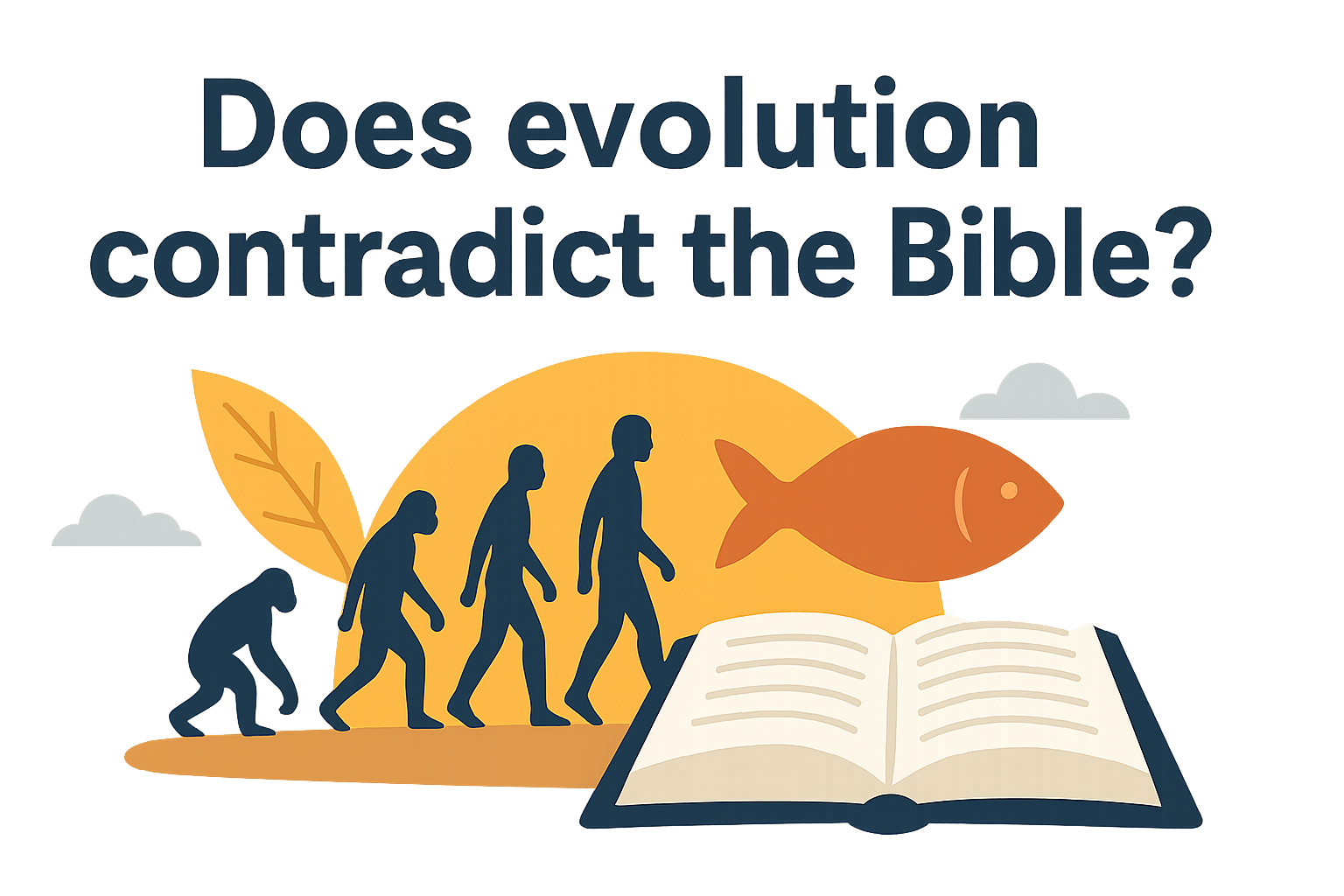
The question of whether evolution contradicts the Bible is a complex and often contentious issue. While some people believe that the theory of evolution and biblical teachings are fundamentally incompatible, others argue that they can coexist harmoniously. Understanding this topic requires examining the relevant biblical texts, the nature of scientific inquiry, and the interpretations of scripture throughout history.
At its core, the Bible conveys spiritual truths and moral lessons, while evolution provides a scientific explanation for the diversity of life on Earth. This distinction is crucial in assessing whether the two can be reconciled.
The Creation Account in Genesis
The primary biblical text concerning creation is found in the book of Genesis. The first chapter describes God creating the world in six days, culminating in the creation of humanity on the sixth day. Many interpret this account literally, believing it to be a straightforward historical record of how the world was formed.
Literal vs. Figurative Interpretation
However, not all Christians interpret Genesis literally. Some view the creation story as a poetic or allegorical narrative, conveying theological truths rather than scientific details. This perspective allows for the possibility that God could use evolutionary processes to bring about life as described in scripture.
For example, Genesis 1:26 states, “Let us make human beings in our image, to be like us.” This phrase can be understood as emphasizing humanity’s unique relationship with God rather than providing a precise account of how humans physically came into being.
The Nature of Scientific Inquiry
Science and faith often address different questions. Science focuses on understanding the natural world through observation, experimentation, and evidence. In contrast, faith seeks to answer questions about meaning, purpose, and morality. As such, many Christians believe that science, including the theory of evolution, does not undermine their faith.
The Theory of Evolution
The theory of evolution, primarily associated with Charles Darwin, explains how species change over time through natural selection and genetic variation. This scientific framework is supported by extensive evidence from various fields, including genetics, paleontology, and comparative anatomy. Many Christians accept evolution as a valid scientific theory, viewing it as a method through which God may have created life.
Interpreting Key Scriptures
Several biblical passages are often cited in discussions about creation and evolution. Understanding these verses within their historical and cultural context is essential.
Genesis 2:7 and the Creation of Humanity
Genesis 2:7 describes God forming man from the dust of the ground and breathing life into him. Some interpret this as indicating a direct act of creation, while others suggest it could symbolize the process by which God imbued humanity with a soul or consciousness. This distinction allows for a view of humanity’s origins that could align with evolutionary theory.
Psalm 104 and the Majesty of Creation
Psalm 104 celebrates God’s creation and the interconnectedness of all living things. This psalm emphasizes God’s sovereignty over creation and the intricate relationships within ecosystems. It does not specify how these creations came to be, leaving room for an understanding of evolution as part of God’s creative process.
Historical Perspectives on Creation
Throughout Christian history, interpretations of the creation account have evolved. Early church fathers such as Augustine of Hippo suggested that the days of creation might represent longer periods rather than literal 24-hour days. This interpretation indicates that even in the early church, there was an understanding that scripture could be more nuanced than a straightforward reading might suggest.
The Influence of Scientific Discoveries
As scientific discoveries emerged, particularly during the Enlightenment and into the modern era, many theologians began to reassess their interpretations of scripture. The acceptance of an ancient Earth and the fossil record prompted some to reconcile their faith with scientific findings. Figures like Francis Collins, a prominent geneticist and Christian, advocate for a view that embraces both faith and science, suggesting that God works through evolutionary processes.
Contemporary Christian Views
Today, there is a spectrum of beliefs among Christians regarding evolution. Some denominations, particularly those that lean toward a more literal interpretation of the Bible, reject evolution outright. Others, including many mainline Protestant denominations and the Catholic Church, accept evolution as a legitimate scientific theory that does not conflict with their faith.
The BioLogos Foundation
Organizations like BioLogos promote the idea that faith in God and acceptance of evolution can coexist. They argue that understanding the mechanisms of evolution does not diminish the belief in God as the ultimate creator. This perspective emphasizes that the Bible should not be read as a scientific textbook but as a theological document that reveals truths about God and humanity’s relationship with Him.
Conclusion
As the discussion about evolution and the Bible continues, it is essential to approach these topics with an open mind and a willingness to explore different interpretations. The relationship between faith and science is complex, and many Christians find ways to integrate their understanding of evolution with their belief in God as the creator. Ultimately, the question of whether evolution contradicts the Bible may depend on one’s interpretative framework and openness to different theological perspectives.
Exploring the Theological Implications of Evolution
Understanding the implications of evolution on Christian theology involves more than just reconciling scientific findings with biblical texts. It also requires a deeper examination of how the concept of God as creator can be interpreted in light of evolutionary theory. Many theologians argue that the process of evolution can be seen as part of God’s creative method, rather than a challenge to His sovereignty.
The Image of God in Humanity
One of the key theological concepts in Christianity is the belief that humans are made in the image of God, as stated in Genesis 1:26-27. But what does it mean to be created in God’s image? Some theologians suggest that this image refers to spiritual and moral capacities rather than physical attributes. This interpretation allows for the possibility that humans evolved biologically while still reflecting God’s image through their ability to reason, love, and create.
Divine Providence and Natural Processes
Another important consideration is divine providence—the belief that God actively sustains and governs creation. Some Christians argue that God could use natural processes, including evolution, to fulfill His purposes. This perspective suggests that God’s involvement in creation does not require direct intervention at every stage, allowing for a harmonious relationship between faith and scientific understanding.
Questions for Reflection
As individuals wrestle with the relationship between evolution and biblical teachings, it can be helpful to consider some reflective questions:
- How do you understand the concept of creation in relation to scientific explanations of the origins of life?
- In what ways can viewing evolution as a part of God’s creative process enhance your appreciation of both science and faith?
- What does being made in the image of God mean in the context of an evolutionary framework?
- How can you reconcile the differences between literal and metaphorical interpretations of scripture in your own faith journey?
Engaging with Different Perspectives
Engaging with differing perspectives on evolution and creation can be enriching. Many Christians find value in dialogue with those who hold different views, whether they are fellow believers or those outside the faith. Such conversations can lead to a more profound understanding of both science and theology.
The Role of Education and Dialogue
Educational institutions that encourage open discussions about science and faith can play a critical role in shaping how individuals view the relationship between evolution and the Bible. By fostering an environment of inquiry, these institutions can help students explore complex questions without feeling that they must choose between their faith and scientific understanding.
The Importance of Humility and Openness
In the quest to understand the compatibility of evolution and biblical teachings, humility and openness are essential. Many Christians acknowledge that their interpretations of scripture and scientific findings may evolve over time. Being willing to reconsider long-held beliefs in light of new evidence or insights can lead to a more profound faith experience.
Finding Common Ground
Ultimately, many Christians believe that both the Bible and the scientific study of evolution seek to reveal truths about the world, albeit from different angles. Finding common ground between these two realms can lead to a richer understanding of creation. This perspective encourages believers to appreciate the mysteries of life while maintaining their faith in God as the source of all existence.
Conclusion
While the question of whether evolution contradicts the Bible may evoke strong opinions, it is essential to approach the topic with a spirit of inquiry and openness. The relationship between faith and science is complex and multifaceted, and many Christians find ways to integrate their understanding of evolution with their belief in God as the ultimate creator. By engaging thoughtfully with scripture, scientific evidence, and diverse perspectives, believers can navigate this intricate dialogue and deepen their faith in the process.
For further exploration of the relationship between science and faith, consider reading more about how different Christian denominations view evolution in the context of their beliefs, or learn about the ongoing discussions in the Christian community regarding these important issues. You can find more information in these articles: the compatibility of science and faith and diverse Christian perspectives on creation.