
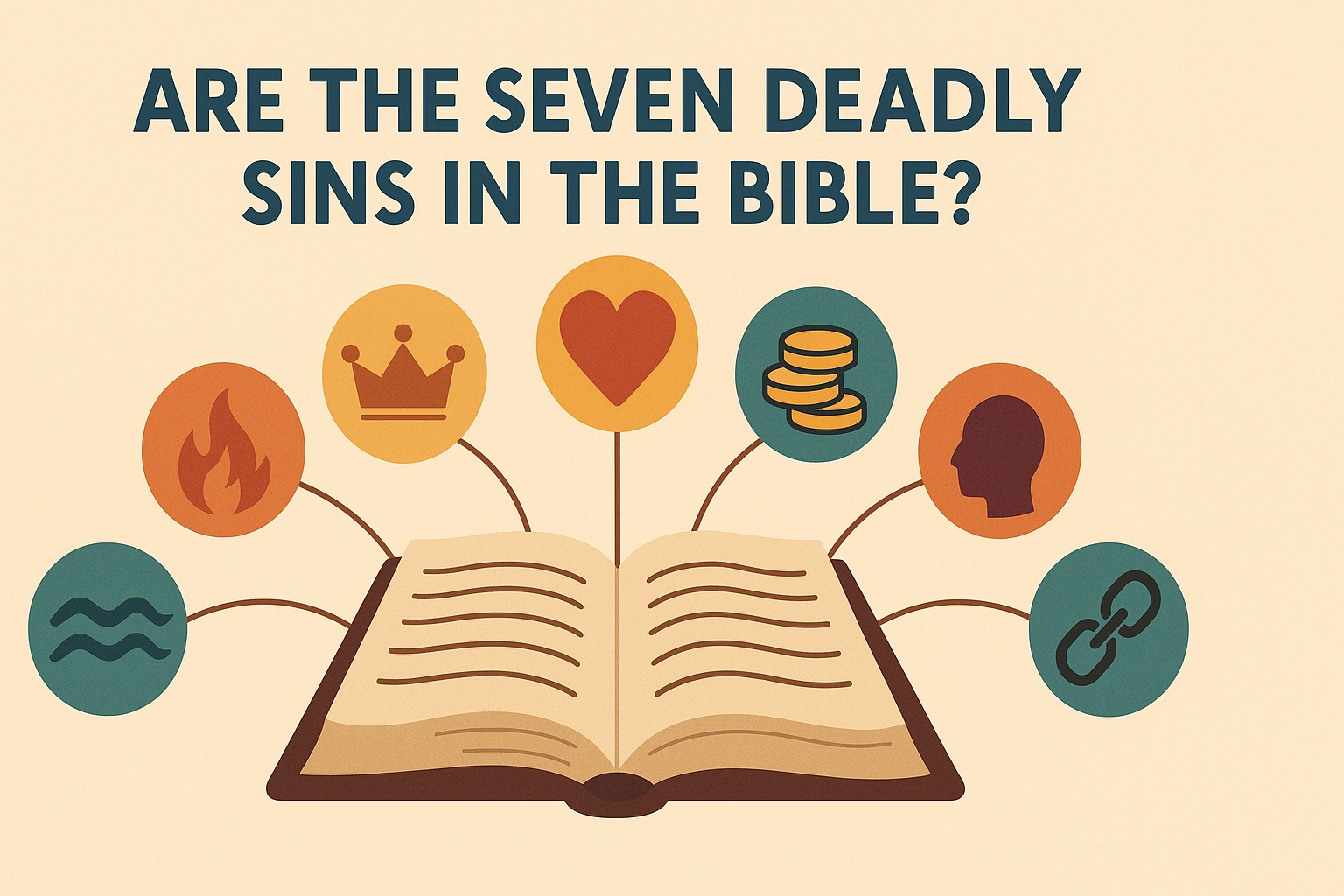
The concept of the seven deadly sins is not explicitly listed in the Bible. Instead, this idea comes from early Christian teachings, particularly from the writings of church fathers like Pope Gregory I in the 6th century. However, the Bible does contain passages that discuss sinful behavior and attitudes that align with these seven categories: pride, greed, lust, envy, gluttony, wrath, and sloth. While the specific term “seven deadly sins” is absent, the underlying principles can be found throughout Scripture.
To understand the seven deadly sins in the context of the Bible, it is essential to explore relevant passages and themes that reveal how these sins can impact our relationship with God and others. This exploration will clarify the roots of these sins in biblical teaching and how they manifest in human behavior.
Pride: The Root of All Sin
Pride is often considered the original sin, the attitude that led to the fall of Lucifer and, subsequently, the fall of humanity. In Proverbs 16:18, it states, “Pride goes before destruction, and haughtiness before a fall.” This verse highlights the danger of arrogance and self-exaltation. Pride can lead individuals to believe they are above others and even above God, which ultimately results in separation from Him.
Moreover, in James 4:6, it says, “God opposes the proud but gives grace to the humble.” This illustrates that humility is a critical virtue in the Christian faith, as it allows believers to recognize their dependence on God rather than their own understanding. The Bible consistently warns against pride, showing its destructive nature and the importance of humility in the life of a believer.
Greed: The Love of Money
Greed, often associated with the love of money, is addressed in several passages throughout the New Testament. In 1 Timothy 6:10, it states, “For the love of money is the root of all kinds of evil.” This verse emphasizes that greed can lead to various sinful behaviors and distracts individuals from their spiritual priorities. Greed may cause people to prioritize wealth and material possessions over their relationship with God and their responsibility to serve others.
Additionally, in Matthew 6:24, Jesus teaches that “No one can serve two masters. You cannot serve both God and money.” This statement underscores the conflict between devotion to God and the pursuit of wealth. Greed not only harms one’s relationship with God but can also lead to harmful behaviors towards others, such as exploitation and dishonesty.
Lust: A Desire Out of Control
Lust is often described as an intense desire for sexual pleasure, but it can encompass a broader range of inappropriate desires. In Matthew 5:28, Jesus teaches that “Anyone who looks at a woman lustfully has already committed adultery with her in his heart.” This teaching reveals that lust is not merely an external action but also a matter of the heart and mind. It shows how unchecked desires can lead to spiritual and relational harm.
The Bible encourages purity and self-control. In 1 Corinthians 6:18, Paul advises believers to “run from sexual sin.” Lust can distort the purpose of sexuality, leading to broken relationships and a disconnect from God’s design for intimacy. The focus on purity in Scripture serves to protect individuals and the sanctity of marriage.
Envy: The Desire for What Others Have
Envy is the feeling of discontent or resentment towards someone else’s possessions, qualities, or achievements. In Galatians 5:26, Paul warns against becoming “conceited, or provoking one another, or being jealous of one another.” Envy can create divisions and strife within communities, leading to destructive behaviors and attitudes.
The story of Cain and Abel in Genesis 4 illustrates the dangers of envy. Cain’s jealousy over God’s acceptance of Abel’s offering led him to commit the first murder. This narrative shows that envy can escalate into severe consequences, harming not only the individual but also those around them. The Bible encourages gratitude and contentment, reminding us to focus on our blessings rather than comparing ourselves to others.
Gluttony: Overindulgence and Excess
Gluttony is often understood as excessive indulgence in food and drink, but it can also refer to overindulgence in other areas of life. Proverbs 23:20-21 warns against joining those who drink too much wine or gorge themselves on meat, indicating that such behavior leads to poverty and ruin. The Bible promotes moderation and self-control, encouraging believers to treat their bodies as temples of the Holy Spirit (1 Corinthians 6:19).
While the Bible does not explicitly label gluttony as a deadly sin, it does emphasize the importance of self-discipline and the dangers of allowing physical desires to dominate one’s life. Gluttony can lead to a lack of awareness of one’s spiritual needs and responsibilities, detracting from one’s relationship with God.
Wrath: Anger and Malice
Wrath, or uncontrolled anger, is a destructive emotion that can lead to harmful actions and attitudes. In Ephesians 4:31, Paul instructs believers to “get rid of all bitterness, rage, and anger.” Anger can cloud judgment and lead to conflicts, as illustrated in the teachings of Jesus, who emphasized reconciliation over harboring resentment (Matthew 5:23-24).
The Bible acknowledges that anger is a natural emotion but warns against allowing it to control one’s actions. In James 1:19-20, it states, “Everyone should be quick to listen, slow to speak and slow to become angry, because human anger does not produce the righteousness that God desires.” This guidance encourages believers to manage their emotions constructively, fostering peace and understanding rather than conflict.
Sloth: Spiritual Apathy
Sloth, or laziness, is characterized by a lack of motivation or effort, particularly in spiritual matters. In Proverbs 13:4, it says, “The soul of the sluggard craves and gets nothing, while the soul of the diligent is richly supplied.” This verse highlights the importance of diligence and hard work in achieving one’s goals and fulfilling responsibilities.
Sloth can manifest as a spiritual apathy, leading individuals to neglect their relationship with God and their duties to others. In Matthew 25:26-30, the Parable of the Talents illustrates the consequences of failing to use one’s gifts and opportunities wisely. The servant who buried his talent was reprimanded for his laziness, emphasizing the need for active engagement in one’s spiritual life.
Understanding the Seven Deadly Sins in a Biblical Context
While the seven deadly sins are not explicitly named in Scripture, understanding their implications is crucial for a Christian’s spiritual journey. Each sin reflects deeper issues of the heart and can lead to a life separated from God’s grace. By examining these sins, believers can identify areas for personal growth and transformation, aligning their lives more closely with biblical principles.
Furthermore, recognizing these sins helps to cultivate a spirit of repentance and humility, encouraging believers to seek forgiveness and restoration. The Christian faith emphasizes the importance of confession and accountability, as these practices can lead to healing and a renewed relationship with God.
The Concept of Sin in the Bible
Sin, in general, is defined as a transgression against God’s laws and commandments. In 1 John 3:4, it states, “Everyone who sins breaks the law; in fact, sin is lawlessness.” This definition establishes that sin is not merely about individual actions but is rooted in a relational breach between humanity and God.
To gain a deeper understanding of the seven deadly sins, it is essential to explore how sin is portrayed throughout the Bible. The Old Testament outlines the moral law, particularly through the Ten Commandments, which serve as a foundation for understanding right and wrong. The New Testament further expands on these principles, emphasizing love, grace, and the transformative power of the Holy Spirit in overcoming sin.
Consequences of Sin
Each of the seven deadly sins carries consequences that affect not only the individual but also their relationships with others and with God. For example, pride can lead to isolation, as individuals may alienate themselves from others through their arrogance. Greed often results in dissatisfaction, as the pursuit of material wealth can never truly satisfy the human soul.
Moreover, lust can destroy relationships and lead to emotional and spiritual disconnection. Envy can foster bitterness, while gluttony can result in both physical and spiritual neglect. Wrath can cause significant harm to relationships, and sloth can lead to missed opportunities for growth and service. Recognizing these consequences encourages believers to actively seek a life aligned with God’s will.
The Role of Repentance and Grace
In the face of sin, the Bible consistently points toward the necessity of repentance. Acts 3:19 encourages believers to “repent, then, and turn to God, so that your sins may be wiped out.” This call to repentance is crucial, as it signifies a turning away from sin and a return to a right relationship with God.
Additionally, understanding the role of grace is vital in addressing the seven deadly sins. Ephesians 2:8-9 reminds believers that they are saved by grace through faith, and this is not from themselves, it is the gift of God—not by works, so that no one can boast. This grace empowers individuals to overcome sin and strive for holiness. The Holy Spirit plays an essential role in this process, providing strength, guidance, and conviction to help believers resist temptation and grow in their faith.
Practical Steps to Combat the Seven Deadly Sins
Believers can take practical steps to combat the influence of the seven deadly sins in their lives. Here are some strategies to consider:
- Self-Examination: Regularly assess your thoughts, attitudes, and behaviors to identify areas where these sins may be present.
- Accountability: Engage in relationships with fellow believers who can provide support and encouragement in your spiritual journey.
- Prayer and Scripture Study: Seek God’s guidance through prayer and immerse yourself in Scripture to cultivate a deeper understanding of His will.
- Practice Gratitude: Focus on the blessings in your life to combat envy and promote contentment.
- Embrace Humility: Recognize your dependence on God and strive to serve others, countering pride and greed.
- Seek Purity: Commit to living a life of purity in thought and action, resisting lust and temptation.
- Practice Moderation: Cultivate self-discipline in all areas of life to avoid gluttony and overindulgence.
- Manage Anger: Develop strategies for dealing with anger constructively, promoting peace and reconciliation.
- Be Diligent: Actively engage in your spiritual life and responsibilities to combat sloth and apathy.
Conclusion: A Path Toward Transformation
Understanding the seven deadly sins within a biblical context provides valuable insight into the nature of sin and its impact on our relationship with God and others. While these sins may not be explicitly outlined in Scripture, their presence is felt throughout the teachings of the Bible. By recognizing and addressing these sins, believers can pursue a life marked by repentance, grace, and spiritual growth.
Ultimately, the goal of addressing the seven deadly sins is not to create a sense of guilt or shame but to encourage transformation through God’s love and mercy. As Christians strive to align their lives with biblical teachings, they can experience the joy and freedom that comes from living in accordance with God’s will.