
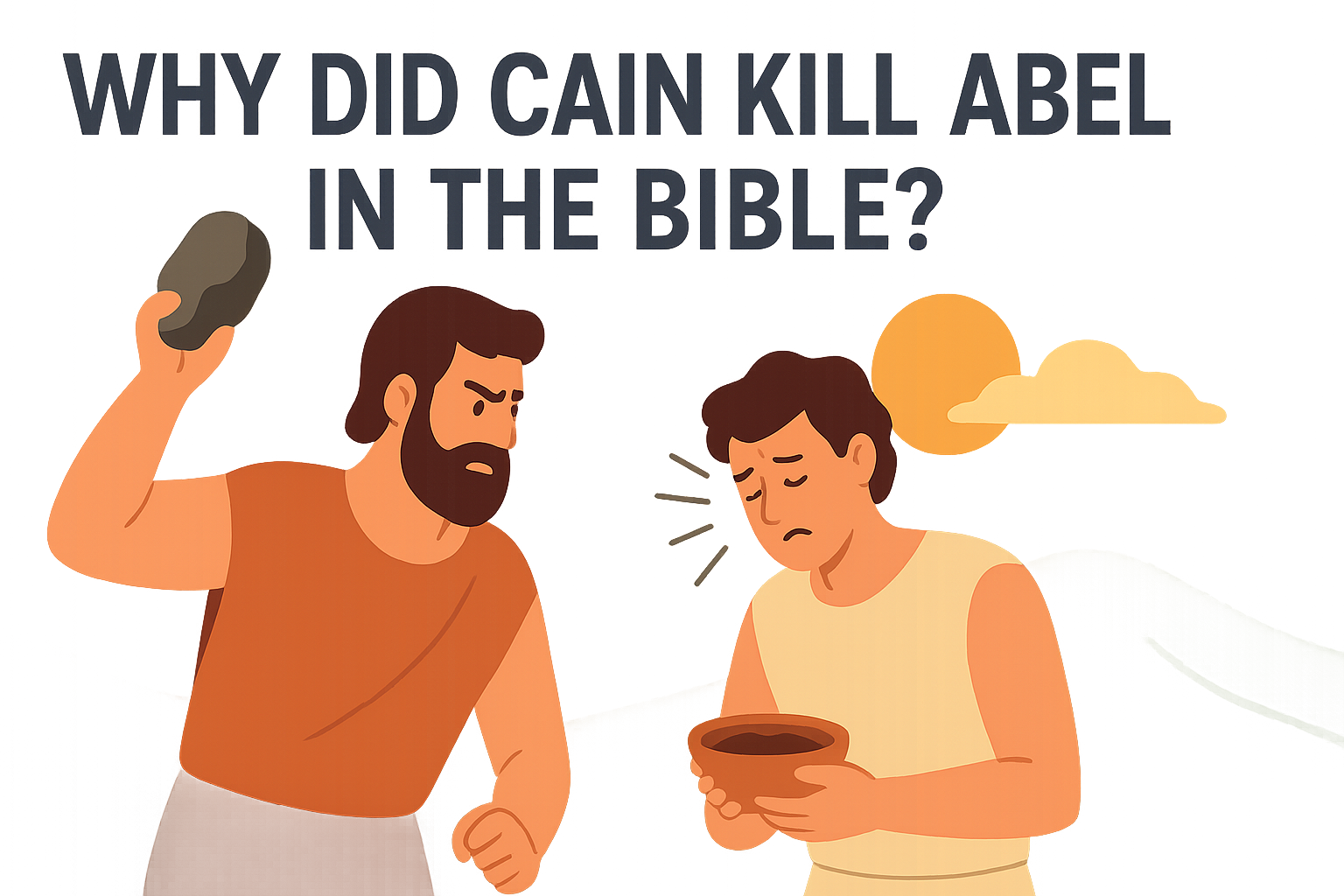
Cain killed Abel due to a deep-seated jealousy and anger stemming from God’s favor towards Abel’s offering over his own. This act of violence is rooted in Cain’s feelings of rejection and inadequacy, leading him to commit the first murder recorded in the Bible.
The story of Cain and Abel, found in Genesis 4:1-16, illustrates the consequences of sin, the nature of human emotions, and the importance of our relationship with God. Understanding the motivations behind Cain’s actions can provide insights into the human condition and our struggles with jealousy and anger.
The Background of Cain and Abel
Cain and Abel were the first two sons of Adam and Eve. Cain, the elder, was a farmer who worked the soil, while Abel was a shepherd who took care of sheep. Their differing occupations play a significant role in the narrative that unfolds.
In Genesis 4:3-5, we read that both brothers brought offerings to God. Abel offered the best portions of his flock, while Cain brought some of the fruits of the soil. The distinction in their offerings is crucial, as it sets the stage for the conflict between them. Abel’s offering was accepted by God, while Cain’s was not. This rejection led to Cain feeling angry and dejected.
The Nature of Their Offerings
Understanding why God favored Abel’s offering over Cain’s is key to grasping the story. The Bible does not provide explicit reasons, but some interpretations suggest that Abel’s offering was made with a sincere heart and genuine faith. In contrast, Cain’s offering may have lacked the same level of devotion.
Hebrews 11:4 highlights that Abel’s offering was made in faith, suggesting that the attitude behind the gift matters as much as the gift itself. Cain’s offering, while a product of his labor, might not have been given with the same spirit of reverence and gratitude. This difference in approach could explain why God looked favorably upon Abel’s offering.
Cain’s Reaction to Rejection
When God did not accept Cain’s offering, he became very angry and downcast. In Genesis 4:6-7, God speaks to Cain, asking why he is so upset and warning him that sin is crouching at his door, eager to control him. This moment reveals God’s desire for Cain to recognize his emotions and to overcome them instead of succumbing to anger.
God’s warning indicates that Cain had a choice in how to respond to his feelings. Instead of heeding God’s advice, Cain allowed his jealousy and resentment to fester. This illustrates a critical point: unchecked emotions can lead to destructive actions. Cain’s failure to process his feelings in a healthy way ultimately leads him to commit murder.
The Act of Murder
In Genesis 4:8, Cain invites Abel to go out into the field, where he then kills him. This premeditated act of violence not only signifies the tragic outcome of Cain’s uncontrolled anger but also marks the first instance of murder in human history. The severity of this act serves as a sobering reminder of the potential consequences of allowing negative emotions to dictate our actions.
The murder of Abel also reflects a profound spiritual truth about the nature of sin. Cain’s actions stem from a heart filled with jealousy and rage, illustrating how quickly one can spiral into moral failure when they allow negative emotions to take root. The story serves as a cautionary tale about the importance of managing our feelings and seeking God’s guidance in times of distress.
The Consequences of Cain’s Actions
After the murder, God confronts Cain, asking him where Abel is. Cain’s response, “I don’t know. Am I my brother’s keeper?” (Genesis 4:9), highlights his attempt to evade responsibility for his actions. This moment signifies a critical turning point in Cain’s life, as he shifts from anger to deception and denial.
God then pronounces judgment on Cain for his crime, stating that he would be cursed and become a restless wanderer on the earth (Genesis 4:11-12). This punishment demonstrates the seriousness of Cain’s sin and the impact of his actions not only on himself but also on the world around him. The consequences of sin extend beyond the individual, affecting relationships and communities.
God’s Mercy and Cain’s Mark
Despite the severity of Cain’s sin, God shows mercy by placing a mark on him to protect him from being killed by others (Genesis 4:15). This act of mercy reveals God’s desire for redemption even in the face of grave wrongdoing. It serves as a reminder that, while sin has consequences, God is always willing to extend grace and offer a path for repentance.
The mark of Cain has been the subject of much discussion and interpretation throughout history. It symbolizes God’s protection, but it also serves as a constant reminder of Cain’s actions and the consequences of his choices. This duality reflects the complexity of God’s justice and mercy.
Theological Implications of Cain’s Actions
The story of Cain and Abel extends beyond a simple narrative of jealousy and murder; it opens up significant theological discussions. One major theme is the nature of sin and its pervasive impact on humanity. Cain’s actions illustrate the biblical teaching that sin can dominate an individual’s choices when left unchecked. This concept is echoed throughout Scripture, emphasizing the need for vigilance against negative emotions and behaviors.
Moreover, Cain’s story serves as a precursor to the larger biblical narrative of redemption. His murder of Abel foreshadows the ultimate act of violence against the innocent that would take place in the New Testament with the crucifixion of Jesus. Just as Abel’s blood cried out from the ground for justice (Genesis 4:10), so too does the blood of Christ speak of atonement and mercy. This connection invites readers to reflect on the broader implications of sin and sacrifice in the biblical context.
Lessons on Jealousy and Anger
Cain’s struggle with jealousy and anger resonates deeply within human experience. Many people grapple with feelings of inadequacy, especially when comparing themselves to others. The Bible teaches that jealousy can lead to destructive behavior, as seen in Cain’s case. By examining his response to rejection, one can learn the importance of processing emotions in a constructive manner.
In modern life, feelings of jealousy can manifest in various forms, from workplace competition to familial rivalry. Cain’s story serves as a warning against allowing such emotions to fester. Instead, it encourages individuals to seek healthy outlets, such as open communication and emotional support, rather than resorting to harmful actions.
The Role of Personal Responsibility
Cain’s evasive response to God after Abel’s murder highlights the theme of personal responsibility. When questioned, Cain deflects by asking if he is his brother’s keeper. This question raises profound ethical considerations about our obligations to one another. The narrative challenges readers to reflect on their responsibilities toward others and the consequences of failing to uphold them.
In a broader sense, the story raises questions about accountability. How often do individuals shift blame or avoid facing the consequences of their actions? Cain’s refusal to accept responsibility for his brother’s death serves as a cautionary tale about the dangers of evasion and denial. It emphasizes the importance of owning one’s choices and their repercussions.
The Symbolism of the Mark of Cain
The mark placed on Cain by God has intrigued theologians and scholars for centuries. It symbolizes both punishment and protection, representing a complex interplay between justice and mercy. While God’s judgment on Cain is severe, the mark signifies that even in punishment, there is an element of divine grace. This duality mirrors the biblical narrative of sin and redemption, emphasizing that the consequences of sin do not negate the possibility of grace.
Some interpretations suggest that the mark served as a visible reminder of Cain’s actions, ensuring he would live with the consequences of his choices. This aspect raises questions about the nature of sin and its lasting impact on individuals. It invites reflection on how one’s actions can shape their identity and relationships with others.
Contemporary Reflections on Cain and Abel
The story of Cain and Abel continues to resonate in contemporary discussions about morality, ethics, and human relationships. It offers insights into the complexities of sibling rivalry, competition, and the darker aspects of human nature. By examining Cain’s motivations, modern readers can better understand the dynamics of jealousy and the destructive potential of unchecked emotions.
Moreover, this story prompts a reflection on how individuals respond to rejection and failure. In a world where success is often measured against others, Cain’s reaction serves as a reminder that one’s worth is not determined by comparison but by one’s relationship with God and others. Embracing humility and gratitude can help combat feelings of jealousy and resentment.
Questions for Reflection and Discussion
The narrative of Cain and Abel invites several important questions for reflection:
- How can we recognize and manage feelings of jealousy in our own lives?
- What does the story teach about the importance of personal responsibility in our actions?
- In what ways can we extend grace to others, even when they have wronged us?
- How does the mark of Cain inform our understanding of justice and mercy in our own lives?
- What lessons can we learn about the consequences of unchecked emotions in our relationships?
These questions can facilitate deeper conversations about the implications of Cain’s actions and how they relate to contemporary issues of morality and human behavior.
Conclusion: The Enduring Relevance of Cain and Abel
The story of Cain and Abel is not merely an ancient tale; it is a profound exploration of human emotions, sin, and the quest for redemption. By examining the motivations behind Cain’s actions, we gain valuable insights into our struggles with jealousy and anger. The narrative challenges us to take responsibility for our actions, seek reconciliation, and embrace the grace that God offers, even amid our failures. Ultimately, the lessons from Cain and Abel remind us of the importance of cultivating a heart that seeks God and values our relationships with others.
For further exploration of the themes of sin and redemption, you might find these articles helpful: Cain and Abel: Lessons on Sin and Redemption and Understanding Sibling Rivalry Through Biblical Stories.