
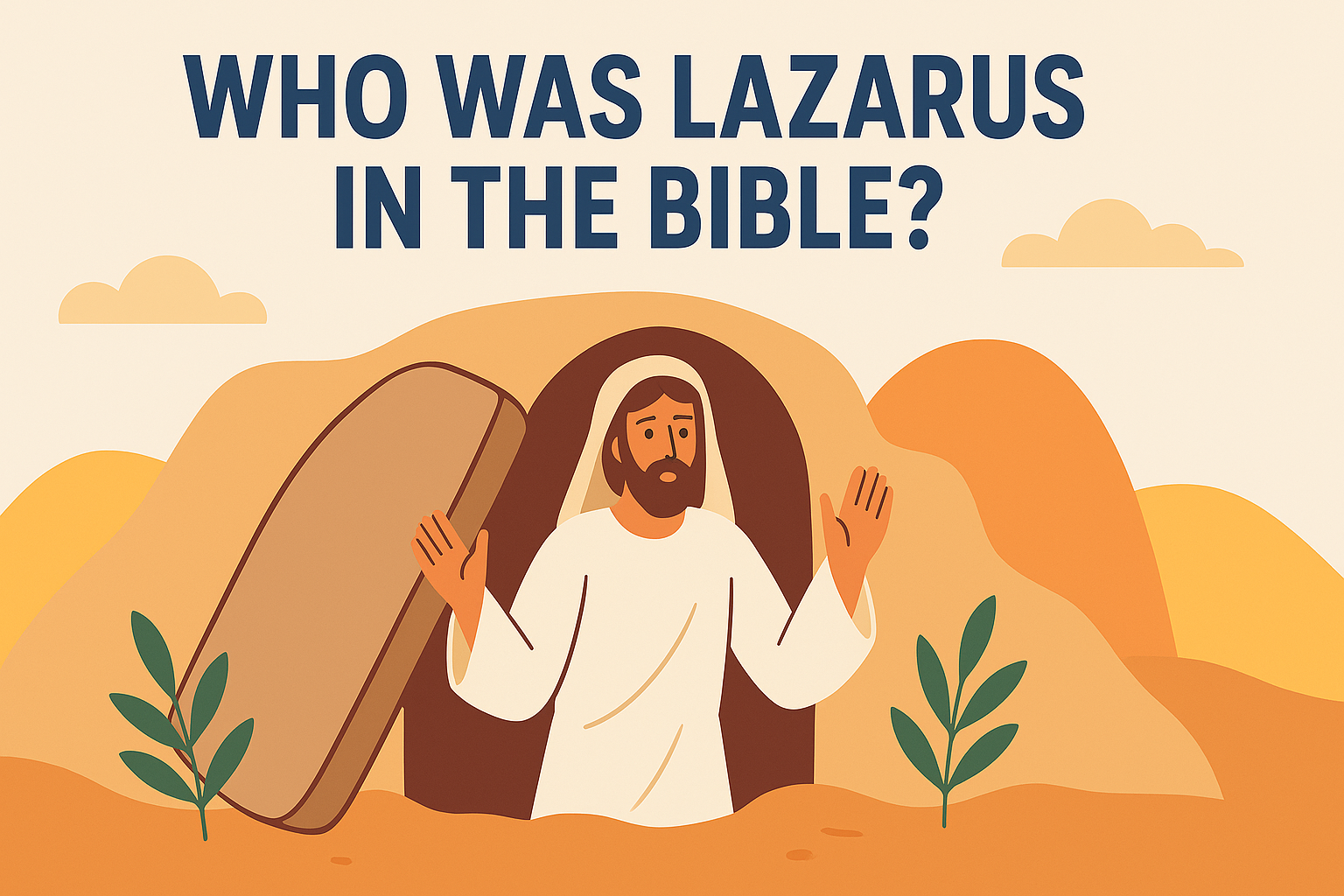
Lazarus is a significant figure in the Bible, known primarily for two distinct stories found in the New Testament. The most notable Lazarus is the brother of Mary and Martha, who was raised from the dead by Jesus. Another Lazarus is mentioned in a parable told by Jesus, often referred to as the rich man and Lazarus. Both stories convey profound spiritual lessons and highlight themes of faith, resurrection, and the nature of eternal life.
In the New Testament, Lazarus appears in the Gospel of John, specifically in chapters 11 and 12. His story is a powerful testament to Jesus’ authority over life and death, while the parable found in the Gospel of Luke (16:19-31) serves as a moral lesson about wealth and compassion.
Lazarus, the Brother of Mary and Martha
The most famous Lazarus in the Bible is the brother of Mary and Martha, who lived in Bethany, a village near Jerusalem. In John 11, we learn that Lazarus fell ill, and his sisters sent word to Jesus, hoping that he would come and heal him. However, Jesus delayed his visit, and by the time he arrived, Lazarus had been dead for four days.
When Jesus finally reached Bethany, Martha went to meet him and expressed her faith, saying, “If you had been here, my brother would not have died” (John 11:21, NLT). Jesus reassured her, declaring, “Your brother will rise again” (John 11:23, NLT). Martha affirmed her belief in the resurrection on the last day, but Jesus revealed a deeper truth, stating, “I am the resurrection and the life. Anyone who believes in me will live, even after dying” (John 11:25, NLT). This statement reveals Jesus’ divine authority and foreshadows the miracle about to unfold.
The Miracle of Resurrection
After a poignant conversation with Martha, Jesus proceeded to the tomb where Lazarus was buried. Overcome with emotion, Jesus wept, demonstrating his compassion for the grieving family (John 11:35). He then commanded that the stone be removed from the tomb. Despite Martha’s concern about the odor of decay, Jesus insisted, saying, “Did I not tell you that if you believe, you will see the glory of God?” (John 11:40, NLT).
Once the stone was rolled away, Jesus prayed aloud, thanking God for hearing him and then called out in a loud voice, “Lazarus, come out!” (John 11:43, NLT). To the astonishment of all present, Lazarus emerged from the tomb, still wrapped in burial cloths. This miracle not only demonstrated Jesus’ power over death but also served as a catalyst for many to believe in him (John 11:45).
The Significance of Lazarus’ Resurrection
The resurrection of Lazarus is significant for several reasons. Firstly, it serves as a precursor to Jesus’ own resurrection, illustrating the promise of eternal life for those who believe in him. It emphasizes the Christian belief that death is not the end but a transition to a new life in Christ.
Secondly, Lazarus’ story highlights the importance of faith. Jesus’ interactions with Martha reveal that faith is not merely about understanding but also about trust in God’s timing and power. Even when circumstances seem hopeless, faith in Jesus can lead to miraculous outcomes.
Lastly, this event prompted the religious leaders to plot against Jesus, fearing that his growing popularity would threaten their authority. The raising of Lazarus played a crucial role in the events leading up to the crucifixion, as it intensified the conflict between Jesus and the Jewish leaders.
Lazarus in the Parable of the Rich Man
Eventually, both men died. Lazarus was carried by angels to Abraham’s side, a place of comfort, while the rich man found himself in torment. The rich man, in his suffering, called out to Abraham, asking him to send Lazarus to cool his tongue with a drop of water. Abraham reminded the rich man of his earthly blessings and how he had ignored Lazarus during his life (Luke 16:25-26).
The Lesson of the Parable
This parable serves as a stark warning about the consequences of wealth and the importance of compassion. It emphasizes the idea that earthly riches do not guarantee a place in heaven, while those who suffer and are marginalized may find favor in God’s eyes. The rich man’s plight illustrates that one’s actions on earth have eternal ramifications.
Furthermore, the parable concludes with Abraham stating that those who do not listen to Moses and the Prophets will not be convinced even if someone rises from the dead (Luke 16:31). This statement foreshadows the resurrection of Jesus and highlights the theme of disbelief that runs throughout the Gospels.
In summary, Lazarus is a multifaceted character in the Bible. The brother of Mary and Martha represents the power of faith and the promise of resurrection, while the poor man in the parable conveys essential lessons about compassion and the moral responsibilities that come with wealth. Together, these narratives illustrate important aspects of Christian belief and the nature of God’s kingdom.
The Context of Lazarus’ Resurrection
To fully appreciate the significance of Lazarus’ resurrection, it is essential to consider the social and religious context of the time. In first-century Judea, death was seen as the ultimate separation, a finality that was often met with deep mourning. The Jewish community had specific mourning practices, and the loss of a loved one was a profound event that affected entire families and communities.
In this setting, the raising of Lazarus was not merely a miracle; it was a radical declaration of hope. Jesus’ act of bringing Lazarus back to life challenged the prevailing understanding of death and what lay beyond it. It also served to strengthen the faith of those around him, providing a powerful testimony to Jesus’ divine nature and authority.
The Role of Faith in the Narrative
The conversation between Jesus and Martha is particularly instructive regarding faith. Martha’s initial despair transforms into a profound declaration of faith in Jesus’ power. This shift illustrates that faith can coexist with grief and doubt. Jesus’ response to Martha not only reassures her but reveals a deeper spiritual truth: that belief in Him transcends physical death. This aspect of the narrative encourages readers to reflect on their faith in Jesus, especially during challenging times.
Furthermore, the miracle of Lazarus’ resurrection serves as a call to action for believers. It prompts Christians to consider how they live out their faith daily—how they respond to suffering, loss, and the needs of others. The narrative encourages believers to trust in God’s timing and to recognize that even in the darkest moments, hope can emerge through faith.
Lessons from the Parable of the Rich Man and Lazarus
The parable of the rich man and Lazarus offers rich theological insights that are worth exploring. One significant theme is the reversal of fortunes in the afterlife. In life, the rich man enjoyed comfort and luxury, while Lazarus endured suffering and neglect. However, after their deaths, their roles are dramatically inverted. Lazarus is comforted in the bosom of Abraham, while the rich man experiences torment. This reversal serves as a reminder that earthly status does not determine one’s eternal fate.
This parable also emphasizes the urgency of compassion and social responsibility. The rich man’s failure to recognize Lazarus at his gate reflects a broader societal indifference to the plight of the poor. Jesus uses this story to challenge his listeners to examine their attitudes toward wealth and the marginalized. It invites believers to reflect on how they engage with social issues and the importance of extending love and support to those who are suffering.
The Importance of Listening to God’s Word
Another vital lesson from the parable is the significance of heeding God’s Word. Abraham’s response to the rich man highlights that those who ignore the teachings of Scripture are unlikely to change, even in the face of miraculous events. This notion resonates with the broader theme in the Gospels, where many witnessed Jesus’ miracles yet remained skeptical or indifferent. It raises profound questions about faith and the barriers that can prevent individuals from accepting the truth of the Gospel.
For contemporary readers, this parable serves as a stark reminder of the importance of spiritual awareness and responsiveness to God’s call. It challenges believers to consider how they prioritize their relationship with God and the teachings of Christ in their daily lives.
Reflections on Lazarus’ Life and Legacy
Lazarus, both as the brother of Mary and Martha and as the character in the parable, invites reflection on the nature of life, death, and what it means to live faithfully. His story encourages believers to embrace the hope that comes through faith in Christ, particularly the promise of resurrection. It serves as a reminder that Jesus offers life even in the face of death and despair.
Moreover, Lazarus’ resurrection is a powerful symbol of transformation. It symbolizes not just physical resurrection but spiritual renewal. Just as Lazarus was called out of the tomb, believers are called to leave behind the old self and embrace a new life in Christ. This transformation is central to the Christian faith, as it signifies the power of Jesus to bring about change in the lives of those who believe in Him.
Conclusion: The Enduring Impact of Lazarus’ Story
The stories of Lazarus in the Bible—both the brother of Mary and Martha and the figure in the parable—offer profound insights into faith, compassion, and the nature of eternal life. They challenge believers to reflect on their relationship with God and their response to the needs of others. Through the lens of Lazarus’ experiences, readers are encouraged to cultivate a faith that trusts in God’s timing and power, regardless of life’s circumstances.
Ultimately, Lazarus’ story is a call to live in hope and to recognize the transformative power of Christ in our lives. It invites us to consider how we can embody the principles of love, compassion, and faithfulness in our daily interactions, embodying the message of the Gospel in a world that desperately needs it.