
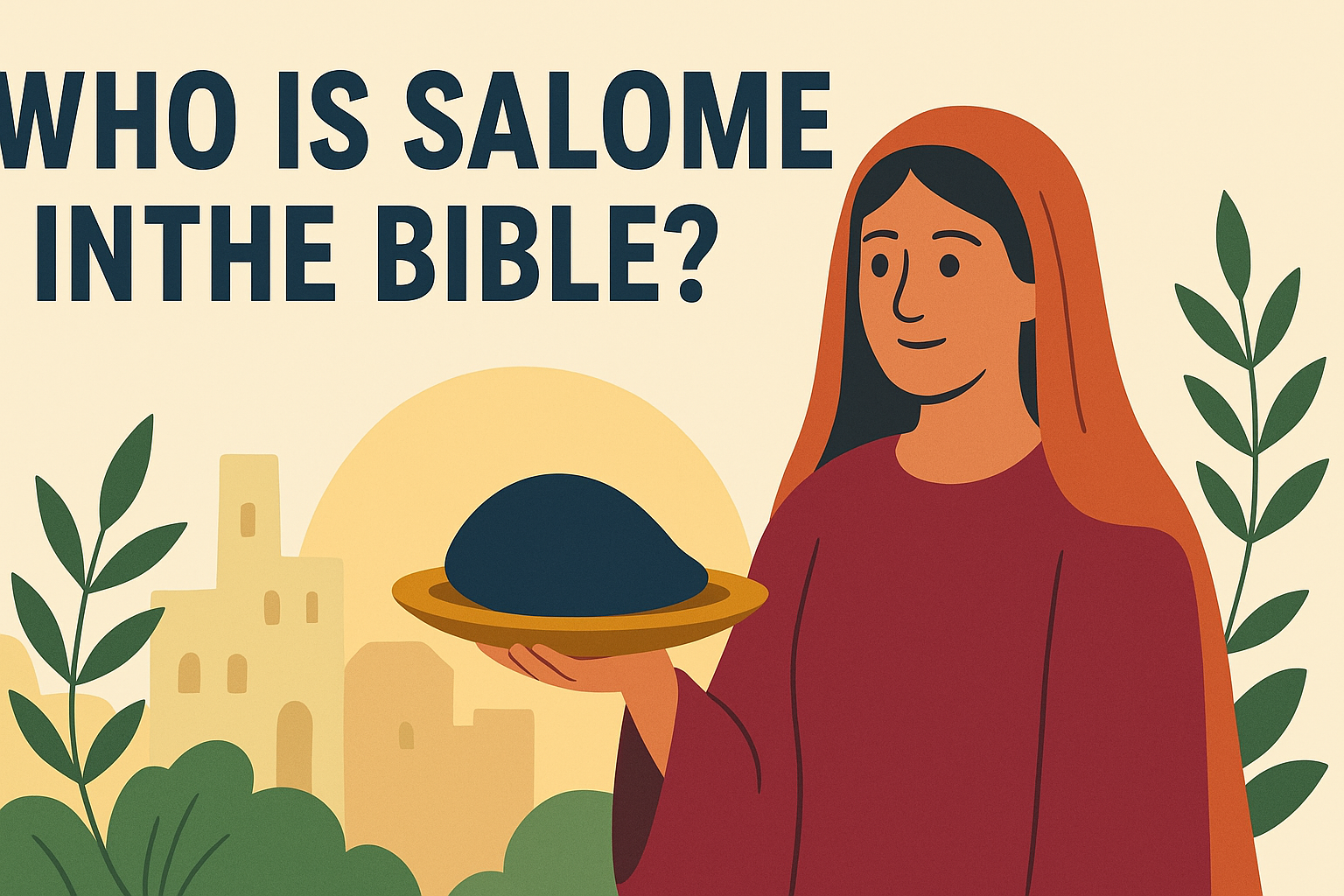
Salome in the Bible is a name attributed to two distinct women, each with a different role in the New Testament narrative. The first Salome is known as the daughter of Herodias, a key figure in the story of John the Baptist’s beheading. The second Salome is one of the women who witnessed the crucifixion of Jesus and later discovered His empty tomb. Understanding these two figures provides insight into their significance in biblical history.
The name Salome itself means “peace,” which is fitting given the contrasting roles these women played in the biblical narrative. The stories surrounding them highlight themes of power, justice, and faithfulness.
Salome, Daughter of Herodias
The first Salome appears in the context of the account of John the Baptist’s execution. She is the daughter of Herodias and King Herod Antipas. This story is primarily found in the Gospels of Matthew and Mark. In Mark 6:17-29, we learn that Herod had arrested John the Baptist because John condemned Herod’s marriage to Herodias, his brother’s wife. Herodias bore a grudge against John and sought an opportunity to kill him.
The Dance of Salome
During a feast, Salome performed a dance that greatly pleased Herod. In his delight, Herod promised to grant her any wish she desired, even up to half of his kingdom (Mark 6:22-23). Salome, prompted by her mother, requested the head of John the Baptist on a platter. Herod, though distressed by the request, felt compelled to fulfill his promise in front of his guests, resulting in John’s tragic death (Mark 6:26-29).
This story illustrates the dangerous combination of political power and personal vendettas. Salome’s role, while pivotal, is often seen as a pawn in her mother’s schemes, highlighting the manipulation of innocence for darker purposes.
Salome, the Witness of the Crucifixion
The second Salome is mentioned in the context of Jesus’ crucifixion and resurrection. She is one of the women who followed Jesus and supported His ministry. In the Gospels, particularly in Mark 15:40, Salome is identified as one of the women who stood at a distance, watching the crucifixion of Jesus. Alongside her were Mary Magdalene and Mary the mother of James.
Role in the Resurrection Narrative
Salome’s presence is also noted in the resurrection accounts. In Mark 16:1, she is among the women who went to the tomb early on the first day of the week to anoint Jesus’ body with spices. When they arrived, they found the stone rolled away and encountered a young man in white who told them that Jesus had risen (Mark 16:5-6).
- Supportive Role: Salome is depicted as a devoted follower of Jesus, demonstrating loyalty and courage during a time of great turmoil.
- Witness to the Resurrection: Her involvement in the resurrection story emphasizes the critical role women played in the early Christian community.
Salome’s actions, particularly in connection with the resurrection, highlight the theme of hope and renewal. While the first Salome’s story is marked by manipulation and death, the second Salome’s narrative is one of faith and the promise of new life.
Differences Between the Two Salomes
While both women share the name Salome, their stories are vastly different in tone and implication. The daughter of Herodias embodies a tragic tale of vengeance and manipulation, while the Salome who witnessed Jesus’ crucifixion represents faithfulness and the transformative power of the resurrection.
These contrasting narratives serve to remind readers of the complexities of human nature and the various paths one can take in response to faith and authority. Salome’s stories reflect the broader themes present in the New Testament, including the struggle between good and evil, the consequences of choices, and the hope found in Jesus Christ.
Understanding these two figures named Salome enriches our appreciation of the biblical text and offers a deeper insight into the lives of women in the early Christian community, showcasing their diverse roles and enduring legacies.
The Historical Context of Salome
To fully appreciate the significance of Salome in the Bible, it is essential to consider the historical and cultural context of the time. The first Salome, the daughter of Herodias, lived in a period marked by political intrigue and moral corruption. Herod Antipas ruled over Galilee and Perea, and his marriage to Herodias was controversial, as it violated Jewish law. The tension between the ruling authorities and prophetic voices like John the Baptist illustrates the clash between power and righteousness during this era.
The second Salome, who witnessed the crucifixion of Jesus, lived in a time of immense social upheaval. The early Christian movement was emerging against a backdrop of Roman occupation and oppression. Women in this society often had limited rights and were typically relegated to the background. However, the presence of Salome and other women at the crucifixion and resurrection highlights their vital roles in the early church and their unwavering faith in the face of adversity.
Significance of Women in the New Testament
Salome’s two distinct stories serve to underscore the broader theme of women’s significance in the New Testament. The Gospels present various women who played crucial roles in Jesus’ ministry, from Mary, the mother of Jesus, to Martha and Mary of Bethany. These narratives challenge the prevailing cultural norms of the time by portraying women as integral to the faith community.
In contrast to the patriarchal society of their day, the Gospels demonstrate that women were not only followers of Jesus but also witnesses to His life, death, and resurrection. Salome, in particular, exemplifies this shift, as her presence at the crucifixion and her involvement in the resurrection account emphasize the active participation of women in the early Christian movement.
Theological Reflections on Salome’s Stories
The stories of the two Salomes invite deeper theological reflection on themes such as faith, loyalty, and the consequences of choices. The first Salome’s dance and subsequent request for John the Baptist’s head raise questions about the nature of influence and the impact of parental guidance. Her actions can be seen as a tragic result of manipulation, posing a cautionary tale about the dangers of power and the moral complexities of human relationships.
Conversely, the second Salome’s unwavering devotion to Jesus highlights the transformative power of faith. Her presence at critical moments in the New Testament narrative illustrates the importance of women in the early church and serves as a reminder that faith can flourish even in the most challenging circumstances. Salome’s actions represent the resilience of believers and the hope that emerges through the resurrection of Christ.
Questions for Reflection
As we consider the stories of Salome, several meaningful questions arise:
- What can we learn about the influence of family and authority from the story of Salome, daughter of Herodias?
- How does Salome’s role in the resurrection narrative challenge traditional views of women in the biblical context?
- In what ways do these contrasting stories reflect the complexities of human nature and the choices we face in our lives?
- How can Salome’s faithfulness inspire us to be more active participants in our faith communities today?
Salome in Christian Tradition
Christian tradition has further shaped the perception of Salome, particularly the daughter of Herodias. Over the centuries, she has often been depicted as a symbol of seduction and treachery. Artistic representations frequently emphasize her dance as a moment of moral failure, reinforcing her image as a femme fatale. This portrayal can overshadow the nuance of her character and the broader implications of her story.
In contrast, the second Salome has been celebrated in some traditions as a model of faith and devotion. Her role as a witness to Jesus’ crucifixion and resurrection has led to her recognition in the Christian liturgical calendar. The emphasis on women like Salome in the resurrection narrative has inspired various movements within Christianity that seek to uplift and honor the contributions of women in the faith.
Closing Thoughts on Salome’s Legacy
In conclusion, the two Salomes in the Bible offer rich narratives that reflect the complexities of human behavior and the diverse roles of women in the early Christian community. The contrasting stories of manipulation and faithfulness serve to remind readers of the ongoing struggle between good and evil, the impact of choices, and the hope found in Jesus Christ. As we reflect on Salome’s legacy, we are encouraged to engage with the biblical text thoughtfully and to recognize the significant contributions of women throughout history.
Understanding Salome’s role in the Gospels not only enhances our comprehension of these biblical accounts but also invites us to consider how we can embody faithfulness and courage in our own lives. As we navigate our journeys, may we draw inspiration from Salome’s story, seeking to live out our beliefs with integrity and purpose.
For further exploration of women in the biblical context, you can read about the role of women in early Christianity and how their contributions shaped the church. Additionally, the story of John the Baptist provides deeper insights into the narratives surrounding Salome and the impact of prophetic voices during that time.