
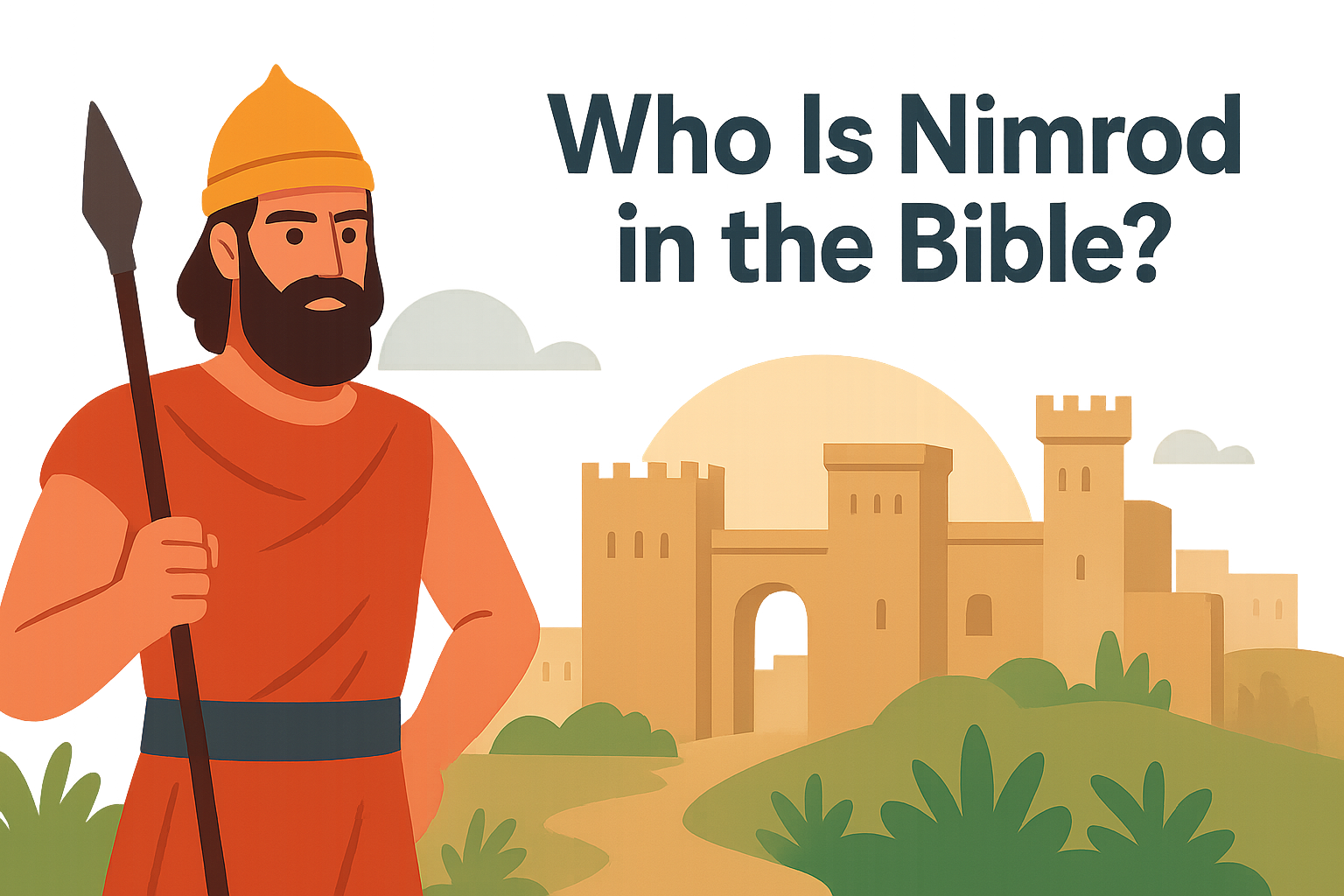
Nimrod is a biblical figure mentioned in the Book of Genesis. He is described as a mighty hunter and a king, often associated with rebellion against God. His story is brief but significant, and he is traditionally linked to the founding of several ancient cities.
In the Bible, Nimrod appears in Genesis 10:8-12, where he is introduced as the son of Cush, who was the son of Ham, one of Noah’s sons. This lineage situates Nimrod in the post-flood world, and he is noted for his prowess and the establishment of his kingdom.
The Biblical Account of Nimrod
The primary reference to Nimrod comes from Genesis 10, often referred to as the Table of Nations. This passage outlines the descendants of Noah’s sons after the flood and their territories. Nimrod is described as “a mighty hunter before the Lord” (Genesis 10:9, NLT). This description has led to various interpretations of his character and significance.
The Meaning of His Name
The name Nimrod is thought to derive from a root that means “to rebel.” This is significant because it suggests a character who may not only be a hunter but also someone who defies authority. Some scholars propose that his name reflects his actions, especially in relation to his role in the Tower of Babel narrative, which is often associated with rebellion against God.
Nimrod’s Kingdom and Cities
Nimrod is credited with founding several cities, including Babel, Erech, Accad, and Calneh, in the land of Shinar (Genesis 10:10). Babel is especially notable because it is later associated with the Tower of Babel, a symbol of human pride and defiance against God.
The cities attributed to Nimrod suggest that he played a significant role in the early development of civilization. They indicate a move toward urbanization and organized society after the flood. The mention of these cities also highlights the geographical context of Nimrod’s influence, as Shinar is often identified with ancient Mesopotamia, a region rich in history and culture.
The Tower of Babel Connection
While Nimrod is not directly mentioned in the narrative of the Tower of Babel in Genesis 11, his legacy is often linked to this event. The Tower of Babel represents humanity’s attempt to build a tower that reaches the heavens, symbolizing their desire to make a name for themselves and their rebellion against God’s command to fill the earth.
In Genesis 11:4, the people say, “Come, let us build a city and a tower with its top in the heavens, and let us make a name for ourselves.” This ambition echoes the rebellious spirit often associated with Nimrod. Some interpretations suggest that he may have been a leader or instigator of this project, promoting unity among people in defiance of God’s intention for them to spread out across the earth.
Nimrod’s Character and Legacy
Nimrod is often depicted as a figure of strength and ambition, but also as a symbol of rebellion against God. His identity as a mighty hunter may indicate not only physical prowess but also a hunter of souls, leading people away from God. This duality has led to various interpretations of his character throughout history.
In Jewish tradition, Nimrod is sometimes viewed as a tyrant, representing the archetype of those who oppose God. He is often linked to idolatry and the spread of pagan practices. This view is reinforced by the biblical context, where the descendants of Ham, including Cush, are often associated with nations that later became adversaries of Israel.
Interpretations and Traditions
Throughout history, Nimrod has been the subject of various interpretations beyond the biblical text. Some Christian and Jewish traditions have expanded upon his story, attributing to him various deeds and characteristics that are not explicitly stated in Scripture. For example, some sources describe him as a promoter of idolatry and as having built the first empire.
These interpretations often reflect the cultural and theological contexts of those who wrote about Nimrod. They illustrate how his figure has been utilized to symbolize the struggle between divine authority and human ambition. The ambiguity of his character allows for a variety of applications in discussions about leadership, rebellion, and the nature of human civilization.
Conclusion
While Nimrod’s story is brief in the biblical narrative, his significance looms large in discussions about early human civilization and the consequences of rebellion against God. His portrayal as a mighty hunter and a king, along with his association with the Tower of Babel, paints a complex picture of a leader who exemplifies both human ambition and the potential for defiance against divine order.
Theological Implications of Nimrod’s Actions
Understanding Nimrod’s role in the biblical narrative goes beyond his accomplishments as a hunter and king. His actions and the cities he founded have deep theological implications, particularly concerning humanity’s relationship with God. The ambition displayed in the building of cities and the Tower of Babel reflects a profound desire to assert independence from divine authority.
This desire raises questions about human nature and the propensity to seek self-glorification over obedience to God. In Genesis 11:6, God comments on the unity of language and purpose among the people, stating, “If as one people speaking the same language they have begun to do this, then nothing they plan to do will be impossible for them.” This statement underscores the potential for human cooperation to lead to both great achievements and great rebellion.
Nimrod as a Symbol of Human Ambition
Nimrod can be viewed as a personification of human ambition, which, when unchecked, can lead to rebellion against God. His legacy serves as a cautionary tale about the dangers of pride and the desire to elevate oneself above divine authority. The construction of the Tower of Babel symbolizes humanity’s attempt to reach the heavens, which can be interpreted as an attempt to usurp God’s position. This ambition, while it may seem noble in the pursuit of progress, is ultimately portrayed as a direct challenge to God’s sovereignty.
The Cultural Context of Nimrod’s Era
To fully grasp Nimrod’s significance, it’s essential to understand the cultural context of the time. After the flood, humanity was tasked with repopulating the earth and living in accordance with God’s commandments. However, the early post-flood society, as depicted in Genesis, quickly began to diverge from these divine instructions.
The establishment of cities and kingdoms by figures like Nimrod indicates a shift toward organized society, which can be both positive and negative. On one hand, urbanization allowed for advancements in culture and technology. On the other hand, it often led to the centralization of power and the potential for tyranny, as seen in Nimrod’s portrayal.
The Legacy of Nimrod in Later Scriptures
Nimrod’s influence extends beyond the Book of Genesis, as his character and actions are referenced in later biblical texts. The prophetic books often reference the folly of human pride and the consequences of rebellion against God, themes that resonate with Nimrod’s legacy. In this light, Nimrod serves as a forewarning of the fate that awaits those who oppose divine authority.
Additionally, his connection to the cities he founded invites further exploration of how these places evolved over time. Babel, for example, became synonymous with confusion and division, stemming from God’s intervention to scatter humanity. This act can be seen as a direct response to Nimrod’s attempts to unify people in rebellion against God.
Questions for Reflection and Study
As we consider Nimrod’s story, several questions arise that can deepen our understanding of his character and its relevance to our lives today:
- In what ways does Nimrod’s ambition mirror aspects of contemporary society, where human achievement is often prioritized over spiritual obedience?
- How can we learn from Nimrod’s legacy to avoid the pitfalls of pride and rebellion in our own lives?
- What does the story of the Tower of Babel teach us about the importance of humility and dependence on God?
- How might Nimrod’s character be interpreted in light of modern leadership and governance?
- In what ways does the cultural context of Nimrod’s time inform our understanding of human nature and the pursuit of power?
Conclusion
Nimrod’s brief but impactful presence in the Bible serves as a rich source for theological reflection and moral inquiry. His life embodies the complexities of human ambition, the consequences of rebellion, and the challenges of leadership. As we reflect on his legacy, we are reminded of the delicate balance between striving for greatness and remaining humble before God. The story of Nimrod invites us to examine our motivations, recognize the dangers of pride, and seek a path that aligns with divine purpose rather than human ambition.
For further exploration of biblical figures and their significance, consider reading about the Tower of Babel and how it relates to human ambition, as well as the descendants of Ham to understand the broader context of Nimrod’s legacy.