
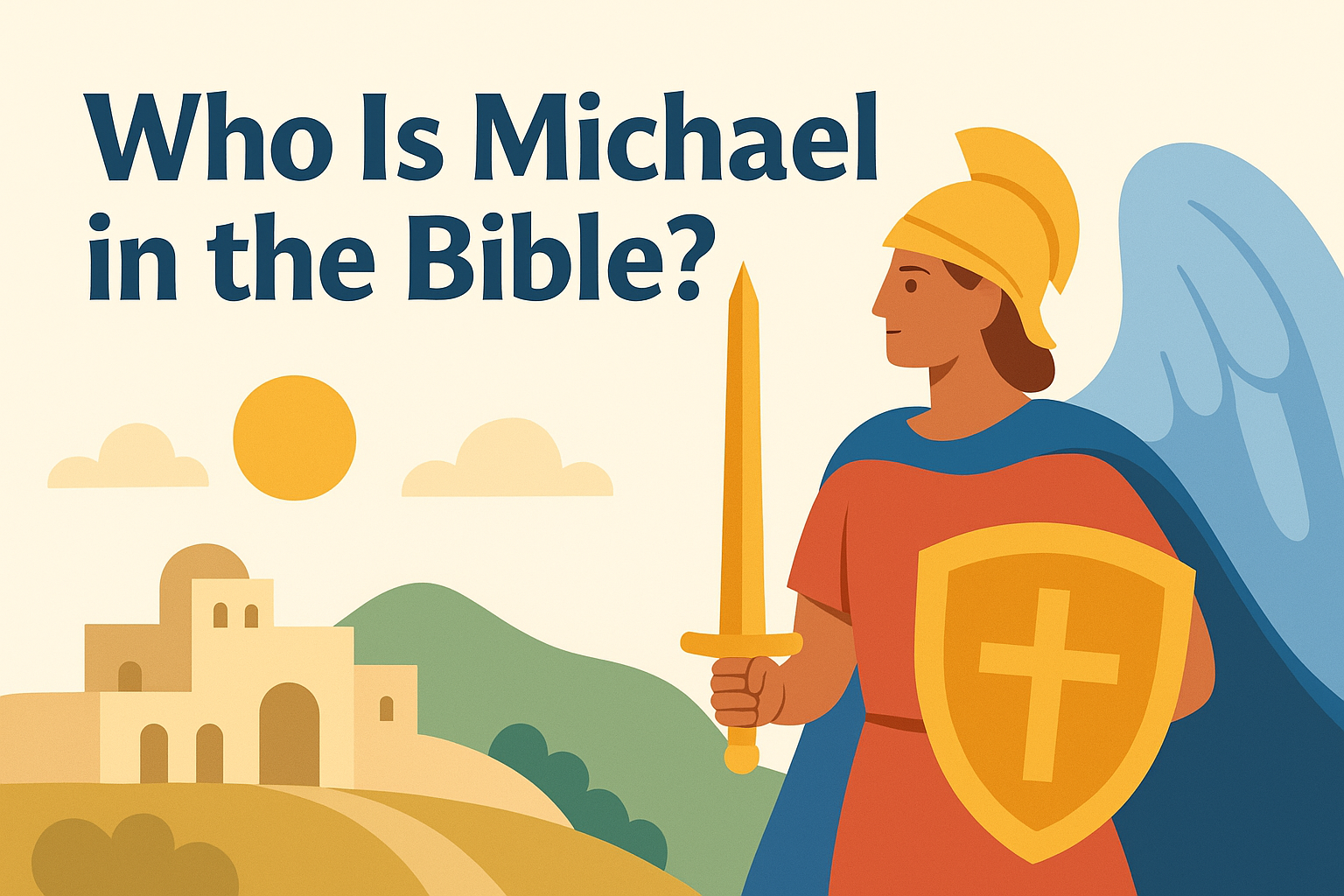
Michael is an important figure in the Bible, recognized primarily as an archangel and a protector of God’s people. He is mentioned in several key passages, where he plays significant roles in spiritual warfare and divine assistance. Michael is often associated with strength, leadership, and the defense against evil forces.
In the biblical context, Michael is depicted not only as a warrior but also as a guardian of Israel, emphasizing his role in the spiritual realm. His presence in Scripture highlights the ongoing battle between good and evil, as well as the assurance of God’s protection over His faithful followers.
Michael in the Old Testament
The Book of Daniel
Michael first appears in the Book of Daniel, where he is described as a great prince who stands up for the people of Israel. In Daniel 10:13, an angelic messenger mentions, “But for twenty-one days the spirit prince of the kingdom of Persia blocked my way. Then Michael, one of the archangels, came to help me.” This passage indicates that Michael plays a crucial role in spiritual warfare, intervening to assist other angels in their missions.
Later, in Daniel 12:1, Michael is portrayed as a protector during a time of great distress: “At that time Michael, the archangel who stands guard over your nation, will arise.” This emphasizes his role as a defender of Israel, suggesting that he is a key figure during times of crisis and tribulation.
Michael’s Role as an Archangel
The term “archangel” signifies a high-ranking angel, and Michael is one of the few angels explicitly referred to in this way in the Bible. The title suggests authority and leadership among the angelic beings. In Jude 1:9, Michael is mentioned again, where he contends with the devil over the body of Moses. This encounter illustrates Michael’s role in maintaining God’s justice and order, even in the face of opposition from evil forces.
Michael in the New Testament
Revelation
Michael’s presence continues in the New Testament, particularly in the Book of Revelation. In Revelation 12:7-9, a significant battle is described: “And there was war in heaven. Michael and his angels fought against the dragon and his angels. And the dragon lost the battle and was forced out of heaven.” This passage highlights Michael’s leadership in the heavenly army, showcasing his strength and determination in the cosmic struggle against evil.
The imagery of Michael fighting against the dragon, often interpreted as Satan, underscores his role as a protector of the faithful and a warrior against the forces of darkness. This battle represents not only a literal conflict but also the ongoing spiritual warfare that believers face in their lives.
Michael’s Significance in Christian Tradition
Throughout Christian tradition, Michael has been venerated as a protector and intercessor. Many denominations celebrate the Feast of Saints Michael, Gabriel, and Raphael, acknowledging Michael’s pivotal role among the archangels. His image is often associated with strength and courage, encouraging believers to stand firm in their faith against adversity.
In addition to his biblical references, Michael is often invoked in prayers for protection and guidance. His role as a defender has made him a beloved figure among Christians, symbolizing the assurance of divine support in times of trouble.
Michael in Other Religious Texts
Jewish Tradition
In Jewish tradition, Michael is also recognized as a significant angelic figure. He is often seen as the protector of Israel and a leader among the angels. Jewish texts outside the Bible, such as the Talmud and various apocryphal writings, further elaborate on his role and attributes, reinforcing his importance in Jewish theology.
Islamic Tradition
In Islam, Michael (known as Mikail) is considered one of the archangels. He is believed to be responsible for providing nourishment and guidance to both humans and the earth. While the Islamic perspective differs from the biblical narrative, Michael’s role as a protector and provider is a common theme across both traditions.
Understanding Michael’s Role Today
Michael’s character and actions in the Bible serve as a source of inspiration for many believers today. His commitment to defending God’s people and engaging in spiritual warfare encourages Christians to rely on divine strength in their own struggles. The stories of Michael remind believers that they are not alone in their battles and that God has appointed powerful beings to assist and protect them.
Moreover, Michael’s portrayal as a leader in the heavenly realm challenges Christians to pursue righteousness and stand firm in their faith. His example encourages believers to be vigilant, recognizing that spiritual battles are a part of the Christian journey. As such, Michael serves not only as a historical figure within the Bible but also as a relevant symbol of strength and divine protection for modern believers.
Michael’s Attributes and Symbolism
Michael is often associated with several key attributes that reflect his role in the biblical narrative. These include strength, courage, and justice. As an archangel, Michael embodies the qualities of a leader who is called to protect and guide God’s people. This is evident in his confrontations with evil forces, where he demonstrates not only physical strength but also moral integrity in defending God’s will.
The symbolism of Michael as a warrior resonates deeply within the Christian faith, particularly during spiritual struggles. His image is often depicted in art and literature as a powerful figure wielding a sword, representing the triumph of good over evil. This imagery serves as a reminder to believers that they are engaged in a spiritual battle and that they can draw on divine strength through prayer and faith.
Michael’s Role in Spiritual Warfare
The concept of spiritual warfare is central to understanding Michael’s significance in the Bible. His battles against evil forces illustrate the reality of the unseen spiritual conflict that believers face. Ephesians 6:12 reminds Christians that their struggle is not against flesh and blood but against spiritual forces of evil. In this context, Michael stands as a powerful ally, embodying the assurance that God provides strength in times of spiritual struggle.
Michael’s interventions in the spiritual realm, as described in Daniel and Revelation, highlight the importance of prayer and reliance on God. Believers are encouraged to seek God’s help, knowing that they have a mighty protector in Michael, who advocates on their behalf. This reliance on divine assistance is a recurring theme in the narratives surrounding Michael, reinforcing the belief that God is actively involved in the lives of His people.
Michael’s Influence in Christian Spirituality
Throughout church history, Michael has played a significant role in Christian spirituality. Many Christians invoke his name in prayers for protection, especially during times of distress or temptation. The “Prayer to Saint Michael” is a well-known prayer asking for his intercession and protection against evil. This prayer reflects the belief that Michael’s powerful intercession can help believers overcome spiritual challenges.
Moreover, Michael’s presence in the liturgical calendar, particularly in the celebration of Michaelmas, serves as a reminder of the ongoing battle between good and evil. This feast day is an opportunity for Christians to reflect on their own spiritual journeys and the importance of seeking God’s protection and guidance in their lives. By commemorating Michael, believers acknowledge the reality of spiritual warfare and their need for divine assistance.
Michael’s Representation in Art and Culture
Michael’s depiction in art and culture has evolved over the centuries, often reflecting the theological and spiritual understandings of the time. In Renaissance art, for example, Michael is frequently portrayed as a heroic figure, slaying the dragon, which symbolizes the defeat of evil. These artistic representations serve to inspire faith and courage among viewers, reminding them of the ultimate victory of good over evil.
In literature, Michael has been referenced as a symbol of hope and strength in various works, from classic texts to modern interpretations. This cultural representation reinforces his significance as a protector and warrior, resonating with audiences who seek inspiration in their own lives. The stories and symbols associated with Michael continue to influence contemporary Christian thought and practice.
Questions for Further Reflection
Understanding Michael’s role in the Bible raises several thought-provoking questions for believers. These questions can help deepen one’s faith and understanding of spiritual warfare:
- How does Michael’s role as a protector influence your understanding of God’s care in your life?
- In what ways can you actively engage in spiritual warfare through prayer and faith?
- How can you draw strength from Michael’s example when facing challenges in your life?
- What does it mean to you to have a guardian angel like Michael watching over you?
Engaging with these questions can provide valuable insights into one’s personal faith journey and the ongoing relevance of Michael’s character in contemporary spiritual life.
Conclusion
Michael’s role in the Bible as an archangel, protector, and warrior serves as a powerful reminder of the spiritual realities that believers encounter. Through his actions and attributes, Michael embodies the themes of strength, courage, and divine protection that resonate deeply within the Christian faith. His presence in both the Old and New Testaments reinforces the belief that God is actively involved in the spiritual battles faced by His people.
As Christians reflect on Michael’s significance, they are encouraged to recognize the importance of relying on divine strength in their own lives. Whether through prayer, seeking guidance, or standing firm in faith, the lessons learned from Michael’s character can inspire believers to engage in spiritual warfare with confidence and hope.
For further exploration of spiritual themes, consider reading about the importance of prayer in spiritual warfare and the role of angels in Christian belief.