
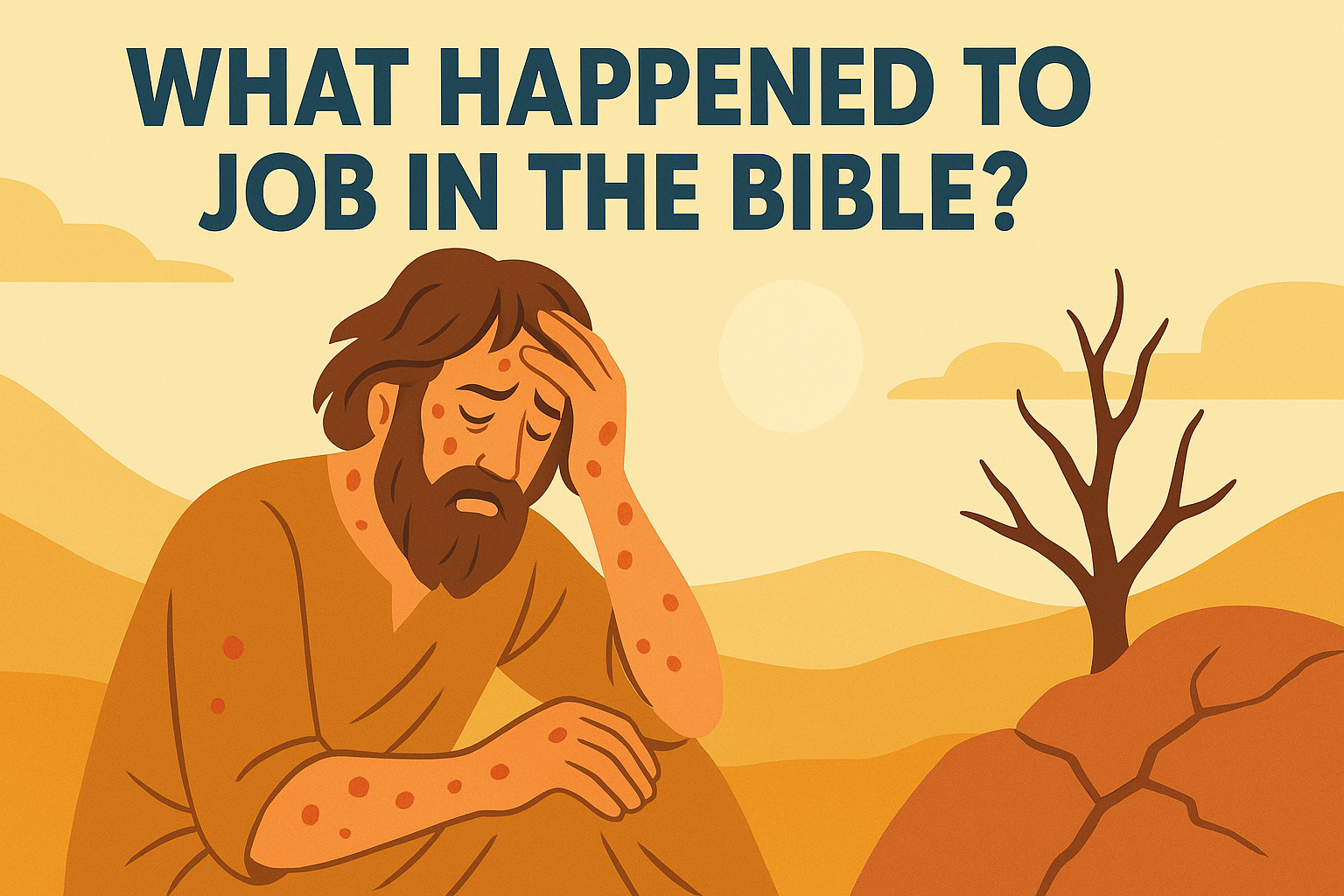
In the Bible, Job is a man who experiences profound suffering and loss, yet remains faithful to God. His story is primarily found in the Book of Job, which is a poetic and philosophical exploration of the nature of suffering, faith, and divine justice.
Job was a wealthy and upright man living in the land of Uz. He had a large family, abundant livestock, and was known for his piety. However, a series of devastating events led to his immense suffering, testing his faith and integrity.
Job’s Initial Blessings and Character
At the beginning of the story, Job is described as “blameless” and “upright,” someone who feared God and shunned evil (Job 1:1). He was blessed with seven sons and three daughters, along with great wealth, making him one of the greatest men in the East.
The Heavenly Challenge
The narrative takes a dramatic turn when a heavenly meeting occurs. Satan, referred to as “the Accuser,” challenges Job’s faithfulness, suggesting that he is only righteous because of his blessings. God allows Satan to test Job, but He sets limits, instructing that Job’s life must be spared (Job 1:6-12).
The Great Loss
In one day, Job faces unimaginable tragedies. First, he loses all his livestock and servants to raiding bands. Then, a great wind collapses the house where his children were feasting, killing all of them. Job’s response to these calamities is profound; he tears his robe and shaves his head, yet he falls to the ground in worship, proclaiming, “The Lord gave, and the Lord has taken away; blessed be the name of the Lord” (Job 1:20-21).
Job’s Physical Afflictions
After the loss of his possessions and children, Job’s suffering intensifies. Satan is permitted to afflict Job physically, and he is struck with painful sores from head to toe (Job 2:7). Despite his suffering, Job continues to worship God, showing remarkable faithfulness in the face of adversity.
The Role of Job’s Friends
As Job endures his trials, three friends—Eliphaz, Bildad, and Zophar—come to visit him. They initially sit with him in silence for seven days, sharing in his grief. However, once they begin to speak, they offer explanations for Job’s suffering that reflect the common belief of their time: suffering is a result of sin.
The Friends’ Misguided Counsel
Job’s friends argue that he must have sinned for God to punish him so severely. Eliphaz suggests that Job’s afflictions are a form of divine discipline (Job 4:7-8). Bildad insists that God does not pervert justice and implies that Job should repent to regain his former blessings (Job 8:3-6). Zophar bluntly states that Job deserves even worse than what he has received (Job 11:6).
Throughout their discussions, Job maintains his innocence and insists that he has not sinned in a way that would warrant such punishment. He feels misunderstood and unjustly accused, leading to a deep sense of anguish and frustration.
Job’s Lament and Search for Answers
As the dialogue continues, Job expresses his despair and confusion. He desires a direct encounter with God to plead his case and understand why he is suffering. In one poignant moment, he wishes he had never been born (Job 3:11). Job’s lament highlights his struggle with the silence of God amidst his pain.
The Question of Divine Justice
Job grapples with profound questions about the nature of suffering and God’s justice. He cannot reconcile his understanding of a just God with the reality of his undeserved suffering. This tension is central to the Book of Job, as it challenges simplistic views of divine retribution.
Job’s Integrity and Faith
Despite the intense pressure from his friends to confess to some hidden sin, Job remains steadfast in his belief in his integrity. He asserts, “I know that my Redeemer lives” (Job 19:25), expressing a deep-rooted faith that transcends his circumstances. This declaration is one of the high points in Job’s journey, signifying hope amid despair.
Job’s Desire for a Mediator
In his search for understanding, Job yearns for a mediator who could advocate for him before God (Job 16:21). This longing reflects a deep human desire for justice and reconciliation, highlighting Job’s need for an intermediary in his relationship with the divine.
As the dialogue unfolds, Job’s faith is both tested and strengthened, setting the stage for the profound revelations that will follow in the latter part of his story.
The Divine Response
After Job’s extensive lament and his friends’ misguided counsel, God finally responds. However, rather than providing direct answers to Job’s questions, God speaks out of a whirlwind, asking Job a series of questions that highlight the vastness of God’s creation and the limitations of human understanding (Job 38-41). This divine monologue serves to remind Job of the complexity and majesty of God’s order in the universe.
The Nature of God’s Questions
God’s questions challenge Job to consider the world from a perspective far beyond human comprehension. For instance, God asks Job if he was present at the creation of the earth or if he can control the forces of nature (Job 38:4-11). These questions underscore the theme that humans cannot always understand God’s ways or the reasons behind suffering and injustice.
Job’s Humble Response
Faced with God’s overwhelming presence and wisdom, Job recognizes his limitations. He responds with humility, acknowledging that he has spoken of things he did not fully understand (Job 40:3-5). This moment of humility is crucial, as it marks a turning point in Job’s journey. He moves from questioning God to accepting the mystery of divine sovereignty.
The Restoration of Job
After Job humbles himself, God instructs him to pray for his friends, who had misrepresented God’s character. Job obeys, and as a result, God restores his fortunes, giving him twice as much as he had before (Job 42:10). This restoration is significant because it symbolizes not only the renewal of Job’s material wealth but also the reaffirmation of his standing before God.
The Importance of Community and Intercession
Job’s story highlights the role of community in times of suffering. Although his friends initially come to support him, their misguided counsel adds to his distress. However, when Job intercedes for them, it reflects the importance of seeking reconciliation and forgiveness within relationships. This act of intercession serves as a reminder that healing often comes through connection with others, even those who may not have understood us.
The Legacy of Job’s Story
Job’s journey has left a lasting legacy within the Christian tradition. His story is often cited when discussing the problem of evil and suffering. It encourages believers to wrestle with difficult questions about faith and the nature of God in the face of hardship. Job’s unwavering integrity and faithfulness serve as a model for those experiencing their own trials.
Lessons from Job’s Experience
The Book of Job invites readers to explore several profound lessons about faith, suffering, and the nature of God:
- Faith Amidst Suffering: Job’s story encourages believers to maintain their faith even when circumstances seem dire and incomprehensible.
- The Limits of Human Understanding: God’s response teaches that there are aspects of divine wisdom and justice that are beyond human comprehension.
- The Importance of Humility: Job’s humility before God exemplifies the need for a posture of submission and trust in God’s plans.
- The Role of Intercession: Job’s act of praying for his friends emphasizes the significance of community and interceding for others.
Questions for Reflection
As readers contemplate Job’s story, several questions arise that encourage deeper reflection:
- How do we respond to suffering in our own lives? Do we seek to understand or accept the mystery of God’s plans?
- What role does community play in your experiences of hardship? How can we better support one another in times of trial?
- In what ways can we learn to pray for those who may have wronged us, as Job did for his friends?
- How does Job’s declaration of faith in a Redeemer resonate with the New Testament understanding of Jesus Christ as our mediator?
Conclusion: The Enduring Relevance of Job
The story of Job is not just an ancient tale; it is a powerful narrative that speaks to the human condition. It challenges believers to confront the reality of suffering while holding onto faith. Job’s journey from despair to restoration reminds us that, despite our struggles, there is hope and redemption available through faith in God. Ultimately, the Book of Job invites us to embrace the complexity of life, trusting that God is sovereign and good, even when we cannot see the full picture.