
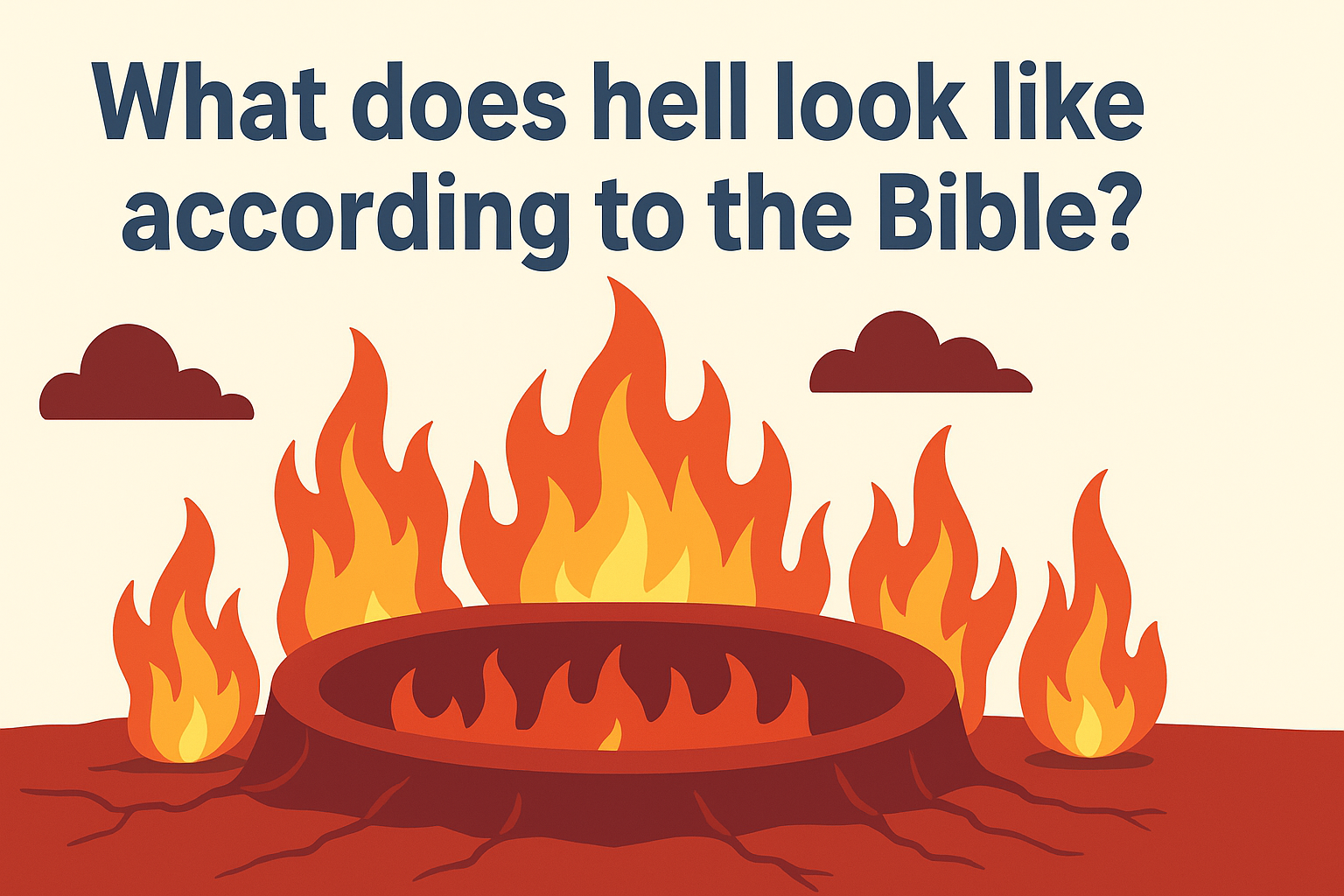
According to the Bible, hell is often depicted as a place of torment, separation, and darkness. It is a realm where those who reject God and His ways face eternal consequences. Various passages describe hell using vivid imagery, emphasizing its dreadful nature and the suffering experienced by its inhabitants.
While there is some debate among theologians about the exact nature of hell, the biblical descriptions provide significant insight. The imagery used in Scripture can help us understand the severity and reality of this place, as well as the spiritual implications for humanity.
Descriptive Imagery of Hell
The Bible employs powerful imagery to convey the essence of hell. One of the most referenced passages is found in the Gospels, where Jesus speaks of hell as a place of “weeping and gnashing of teeth” (Matthew 13:50). This phrase suggests intense sorrow and anguish, indicating that the emotions experienced in hell are far from pleasant.
Additionally, in the book of Revelation, hell is described as a “lake of fire” (Revelation 20:14). This imagery evokes feelings of pain and suffering, where the fire is eternal and unquenchable. The lake of fire symbolizes a complete separation from God, highlighting the ultimate consequence of sin and rebellion against Him.
Separation from God
One of the most significant aspects of hell described in the Bible is the separation from God. In 2 Thessalonians 1:9, it states that those who do not know God will face “everlasting destruction and shut out from the presence of the Lord.” This separation is not just physical; it is spiritual and relational. Being apart from God, who is the source of all goodness, leads to a state of despair.
This concept of separation can be further seen in the parable of the rich man and Lazarus (Luke 16:19-31). In this story, the rich man finds himself in torment after death, while Lazarus is comforted in Abraham’s bosom. The rich man pleads for relief and asks Abraham to send Lazarus to cool his tongue, illustrating the deep longing for comfort that cannot be fulfilled in hell. The chasm between them signifies the irreversible separation from the blessings of God.
The Nature of Punishment
Another aspect of hell is the nature of punishment. Some passages suggest that hell is a place of active torment, while others imply a more passive suffering. In Matthew 25:46, Jesus speaks of the righteous receiving eternal life, while the unrighteous face “eternal punishment.” This indicates that the punishment in hell is not temporary but permanent and unending.
Moreover, in Mark 9:43-48, Jesus warns about the seriousness of sin and states that it would be better to enter life maimed than to be thrown into hell, where “the worm does not die, and the fire is not quenched.” This strong imagery emphasizes the continuous nature of suffering in hell, where even the smallest aspects of torment remain alive.
Symbolism and Interpretation
It is essential to recognize that much of the language used to describe hell could be interpreted symbolically. The Bible often employs metaphors and hyperbole to convey deeper spiritual truths. For instance, the “lake of fire” may symbolize the ultimate consequence of rejecting God rather than a literal body of fire. This interpretation encourages believers to focus on the spiritual implications rather than the physical descriptions alone.
Scholars have debated the meaning of hell for centuries, with some suggesting that the biblical descriptions are meant to evoke a sense of urgency about one’s relationship with God. The fear of punishment might serve as a motivation for repentance and a desire to seek God’s grace.
Different Views on Hell
Within Christianity, there are varying interpretations of hell and its nature. Some traditions emphasize eternal conscious torment, while others propose annihilationism, where the unsaved are ultimately destroyed rather than eternally tormented. Universalism suggests that all souls will eventually be reconciled to God, which contrasts sharply with traditional views of hell as a place of punishment.
Despite these differing views, what remains consistent across the board is the seriousness of sin and the dire consequences of rejecting God. The biblical warnings about hell serve to highlight the importance of faith and obedience to God’s commandments.
Conclusion of the First Part
In summary, the Bible presents hell as a place of torment, separation, and punishment. The imagery used throughout Scripture paints a vivid picture of the consequences of rejecting God’s grace. While interpretations may vary, the core message remains clear: hell is a serious reality that should compel individuals to seek a relationship with God and embrace His salvation.
Further Biblical Descriptions of Hell
In addition to the well-known images of fire and darkness, the Bible offers further insights into the nature of hell. For example, in Matthew 8:12, Jesus mentions outer darkness, a place where there is “weeping and gnashing of teeth.” This concept of darkness suggests a profound absence of hope and joy, reinforcing the idea that hell is devoid of anything good or comforting.
Also, in Revelation 14:10-11, hell is described as a place where the torment of the wicked ascends forever. This description implies a never-ending state of suffering, where the experience of torment is not merely temporary but an eternal reality. The phrase “the smoke of their torment rises forever” underscores the permanence of this state, leaving no room for reprieve or escape.
Theological Implications of Hell
The existence of hell raises important theological questions about God’s nature and justice. Many theologians suggest that hell serves as a necessary consequence of human free will. God’s justice demands that those who choose to reject Him and His ways face the consequences of their choices. This perspective emphasizes that hell is not arbitrary punishment but a reflection of God’s righteousness.
Furthermore, the concept of hell can deepen our understanding of God’s love and grace. The severity of hell highlights the magnitude of God’s desire for humanity to choose Him. In 2 Peter 3:9, it states that God is “not wanting anyone to perish, but everyone to come to repentance.” This verse illustrates that while hell exists as a consequence of sin, God’s intention is for all to experience His grace and mercy.
Contrasting Heaven and Hell
The Bible often contrasts the realities of heaven and hell to provide a fuller understanding of both. While hell is depicted as a place of suffering and separation, heaven is described as a place of joy, peace, and communion with God. Revelation 21:4 offers a beautiful picture of heaven, stating that “He will wipe every tear from their eyes. There will be no more death or mourning or crying or pain, for the old order of things has passed away.”
This stark contrast serves to highlight the choices individuals make in this life. The invitation to experience the joy of heaven is extended to everyone, while the descriptions of hell serve as warnings against the consequences of rejecting that invitation. The choice to accept or reject God ultimately determines one’s eternal destination.
Questions for Reflection
Considering the biblical descriptions of hell, it is essential to engage with some reflective questions:
- What do the various images of hell in the Bible reveal about God’s character and justice?
- How do the descriptions of hell motivate believers to share the message of salvation with others?
- In what ways can understanding the reality of hell impact a Christian’s daily life and choices?
- How does the concept of hell influence your understanding of God’s grace and mercy?
These questions encourage a deeper exploration of the subject and challenge individuals to consider their own beliefs and actions in light of Scripture.
Final Thoughts on Hell’s Nature
In conclusion, the biblical portrayal of hell is vivid and profound, serving as a stark reminder of the consequences of sin and separation from God. While the imagery may evoke fear, it also underscores the importance of God’s love and the offer of salvation through Jesus Christ. The descriptions of hell are not merely to instill dread but to inspire a genuine relationship with God, who desires all to come to Him and experience eternal life with Him. As believers reflect on these truths, they can find both motivation to share the gospel and assurance of God’s grace in their lives.
For further exploration of the topics of heaven and salvation, you can read about what heaven will be like and how to understand God’s plan for salvation.