
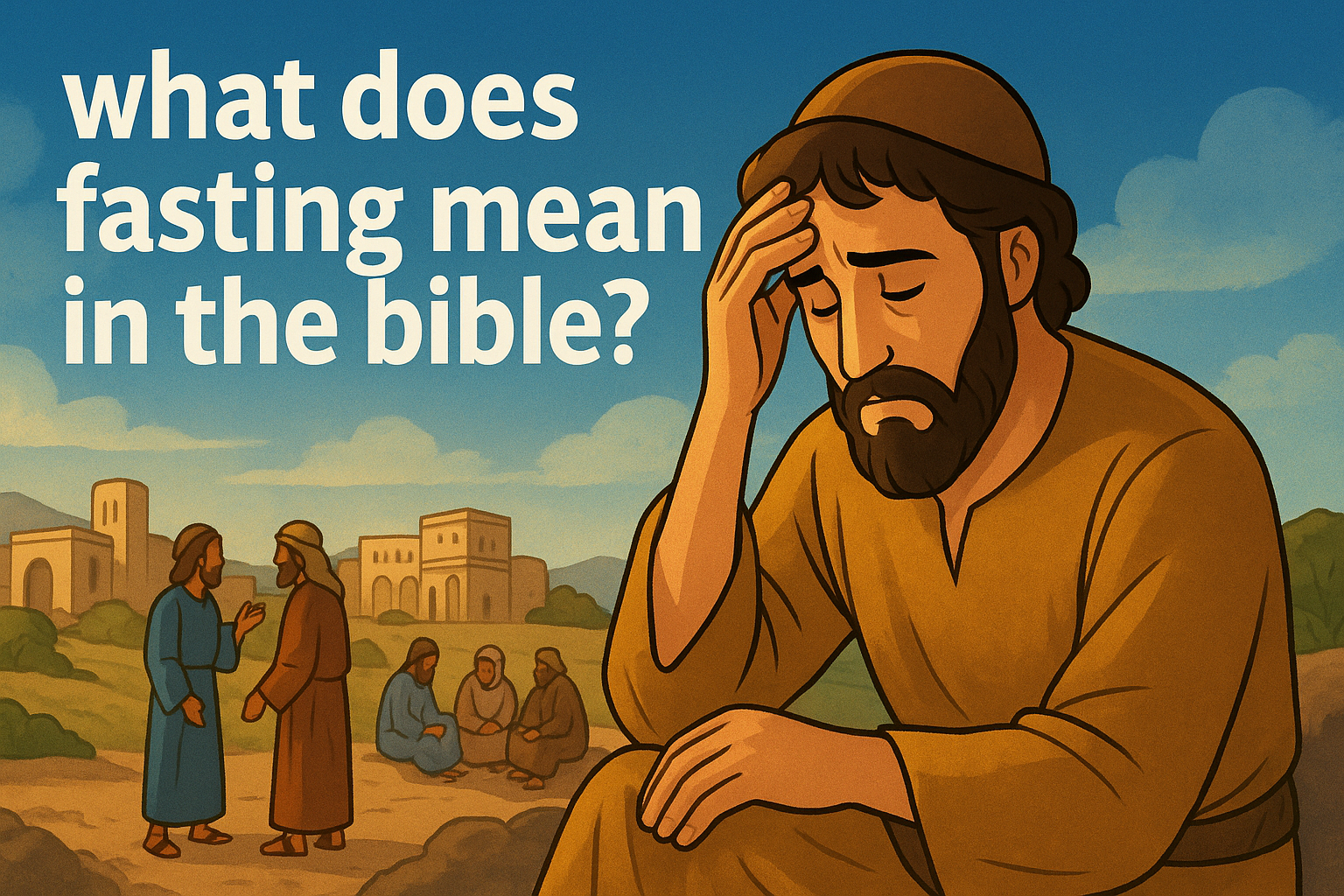
Fasting in the Bible refers to the practice of abstaining from food or drink for a spiritual purpose. It is often accompanied by prayer and is seen as a way to seek God, express repentance, or prepare for a significant spiritual task. Fasting is not merely a physical act; it is a spiritual discipline that emphasizes reliance on God and a deepening of one’s relationship with Him.
The concept of fasting can be found throughout both the Old and New Testaments, with various examples illustrating its significance. Fasting serves as a means of humbling oneself before God, seeking His guidance, and demonstrating sincerity in seeking His will.
Types of Fasting in the Bible
Absolute Fasting
Absolute fasting involves refraining from all food and drink. The most notable example of this is found in the book of Esther, where Queen Esther calls for a fast among her people before approaching the king (Esther 4:16). This type of fast emphasizes the urgency of the situation and a complete dependence on God.
Partial Fasting
Partial fasting entails abstaining from certain types of food or limiting the quantity consumed. Daniel practiced this type of fasting in the book of Daniel, where he refrained from royal food and wine, choosing instead vegetables and water for a period of time (Daniel 1:12). This type of fast reflects a commitment to spiritual health and purity.
Corporate Fasting
Corporate fasting involves a group of individuals, often an entire community, fasting together for a common purpose. In Joel 2:15-16, the prophet calls for a solemn assembly where the people gather, fast, and seek God together in repentance. This communal aspect highlights the power of collective prayer and seeking God as a unified body.
Biblical Examples of Fasting
Moses’ Fast
Moses is a significant figure in the context of fasting. He fasted for forty days and nights while on Mount Sinai receiving the Ten Commandments (Exodus 34:28). This example illustrates fasting as a means of spiritual preparation and receiving divine revelation.
David’s Fast
King David also practiced fasting, particularly during times of distress. In 2 Samuel 12:16, David fasts and pleads with God for the life of his ill child. His fasting was an expression of deep sorrow and desperation, demonstrating the emotional and spiritual dimensions of this practice.
Jesus’ Fast
In the New Testament, Jesus fasted for forty days in the wilderness before beginning His public ministry (Matthew 4:1-2). This fast served to prepare Him for the challenges ahead and to affirm His dependence on God. Jesus’ example highlights that fasting can be a vital part of spiritual preparation and strength.
The Purpose of Fasting
Seeking God’s Guidance
One of the primary purposes of fasting in the Bible is to seek God’s guidance. In Acts 13:2-3, the early church fasted and prayed before making important decisions, such as sending out missionaries. This practice underscores the belief that fasting can enhance clarity and discernment in spiritual matters.
Expressing Repentance
Fasting is also closely associated with repentance. In the Old Testament, the people of Israel would often fast during times of national sin or crisis as a sign of humility and a desire for God’s mercy (Joel 2:12-13). This connection emphasizes that fasting is not merely about abstaining from food but involves a heart posture of contrition and a longing for reconciliation with God.
Strengthening Prayer
Fasting is traditionally linked to prayer, amplifying its effectiveness. In Matthew 17:21, Jesus mentions that certain challenges can only be overcome through prayer and fasting. This suggests that fasting can intensify one’s prayer life, fostering a deeper connection with God and heightened spiritual focus.
Fasting in the New Testament
Jesus’ Teachings on Fasting
In the Sermon on the Mount, Jesus addresses fasting in Matthew 6:16-18. He instructs His followers not to fast for the sake of appearances but rather to do so privately and sincerely. This teaching emphasizes that the heart’s intention is crucial in fasting. It should be an act of devotion rather than a means of gaining public recognition.
The Early Church and Fasting
The early church continued the practice of fasting as a spiritual discipline. Beyond seeking guidance, they used fasting to prepare for ministry and to focus on prayer. In 2 Corinthians 6:5, Paul mentions fasting as part of his hardships in ministry, indicating that it was a recognized aspect of the Christian life.
Fasting and Spiritual Growth
Fasting is portrayed as a tool for spiritual growth throughout the New Testament. By setting aside physical needs, believers can focus more intently on their spiritual needs. This kind of fasting is about nurturing a closer relationship with God and growing in faith, rather than merely a ritualistic or legalistic practice.
The Spiritual Significance of Fasting
Fasting holds profound spiritual significance in the Bible. It is seen not just as an act of self-denial but as a way to draw nearer to God. When individuals fast, they often experience a heightened sense of awareness regarding their spiritual state and the needs of others. This practice encourages believers to reflect deeply on their reliance on God and to cultivate a greater appreciation for His provisions.
Fasting as a Form of Worship
In many instances, fasting is intertwined with worship. It can be a way to express love, reverence, and devotion to God. When the Israelites fasted, it was often accompanied by offerings and prayers, emphasizing that fasting is an act of worship that involves the entire being. In 1 Samuel 7:6, the people gathered to fast and confess their sins to the Lord, showcasing fasting as a communal act of worship and repentance.
Fasting and Humility
Fasting is frequently linked to humility. When individuals fast, they acknowledge their limitations and their need for God’s strength. Psalm 35:13 illustrates this connection well, where David mentions humbling himself through fasting. This humility opens the door for God to work in the lives of those who seek Him earnestly.
The Role of Fasting in Spiritual Warfare
Fasting is also depicted as a powerful weapon in the context of spiritual warfare. In the New Testament, Jesus’ fast in the wilderness is not just a personal preparation but also a confrontation with evil. The enemy often seeks to exploit physical weaknesses, but through fasting, believers can fortify their spiritual defenses. This principle is further illustrated in Ephesians 6:12, where Paul reminds believers that their struggle is not against flesh and blood but against spiritual forces of evil.
Empowerment through Fasting
Fasting can lead to spiritual empowerment. In Acts 10, Cornelius, a devout man, fasted and prayed, which led to a significant divine revelation and the pouring out of the Holy Spirit. This example indicates that fasting may open believers to receive God’s guidance and power, illustrating how it can lead to transformative experiences in faith.
Practical Aspects of Fasting Today
In contemporary practice, fasting can take on various forms, reflecting the diversity of individual circumstances and spiritual needs. While many still engage in food-related fasts, others may choose to fast from technology, entertainment, or other distractions. The key is the intention behind the fast and the desire for spiritual growth and connection with God.
Preparing for a Fast
Preparation is essential for a meaningful fast. Individuals are encouraged to approach fasting with prayer and a clear purpose. Setting aside time for reflection and seeking God’s will can enhance the experience. It is also wise to consult with a healthcare professional when considering fasting, especially for extended periods.
During the Fast
During the fasting period, maintaining a focus on prayer and Scripture reading is vital. These activities can help keep one’s mind and heart aligned with God’s purposes. Journaling thoughts and prayers can also be beneficial, providing a space for reflection and growth.
Post-Fast Reflection
After completing a fast, it is important to reflect on the experience. What was learned during the fast? How did it affect one’s relationship with God? This reflection can solidify the spiritual gains made during the fast and encourage continued growth in faith.
Common Misconceptions about Fasting
Several misconceptions about fasting can hinder its practice and understanding. One common misunderstanding is that fasting must be a lengthy or extreme endeavor to be effective. In reality, even short or partial fasts can have significant spiritual benefits. Another misconception is that fasting is a way to earn favor with God. Instead, fasting should be viewed as a response to God’s grace, an opportunity to grow closer to Him rather than a means to gain His approval.
Fasting and Legalism
Some may fall into the trap of viewing fasting as a legalistic requirement. It is crucial to remember that fasting should stem from a sincere desire to seek God rather than from obligation or ritual. Jesus’ teachings emphasize the heart’s condition over mere outward observance, reminding believers that true fasting is about authenticity and devotion.
Fasting in Modern Christianity
In modern Christianity, fasting continues to be a vital practice for many believers. Various Christian denominations observe seasons of fasting, such as Lent, which prepares them for Easter through reflection and repentance. Additionally, many churches encourage fasting during prayer meetings or special events, fostering a collective spiritual experience.
The Impact of Fasting on Community
Fasting can strengthen community bonds as believers come together to seek God’s direction or intercede for others. When congregations fast collectively, it can lead to a deeper sense of unity and purpose. The shared experience of fasting can ignite passion for prayer and outreach, encouraging the church to engage more fully with their mission.
Questions for Reflection
As individuals consider fasting, they may benefit from asking themselves some reflective questions:
- What is my primary motivation for fasting?
- How can I ensure that my fasting aligns with my spiritual goals?
- What distractions do I need to remove from my life to focus more on God?
- How can I share this journey with my community for encouragement and support?
Conclusion: Embracing the Discipline of Fasting
Fasting in the Bible is a multifaceted spiritual discipline that invites believers to engage more deeply with God. Whether seeking guidance, expressing repentance, or preparing for ministry, fasting can be a transformative experience. By understanding its biblical context and practical application, Christians can embrace fasting as a valuable tool for spiritual growth and connection with God. As believers navigate their own fasting journeys, they should focus on the heart’s intentions and seek to deepen their relationship with the Lord, recognizing that fasting is ultimately about drawing closer to Him.
For further exploration of fasting and its significance, you can read more about how fasting enhances prayer life in this article on fasting and prayer and find insights on the spiritual benefits of fasting in this piece on spiritual growth through fasting.