
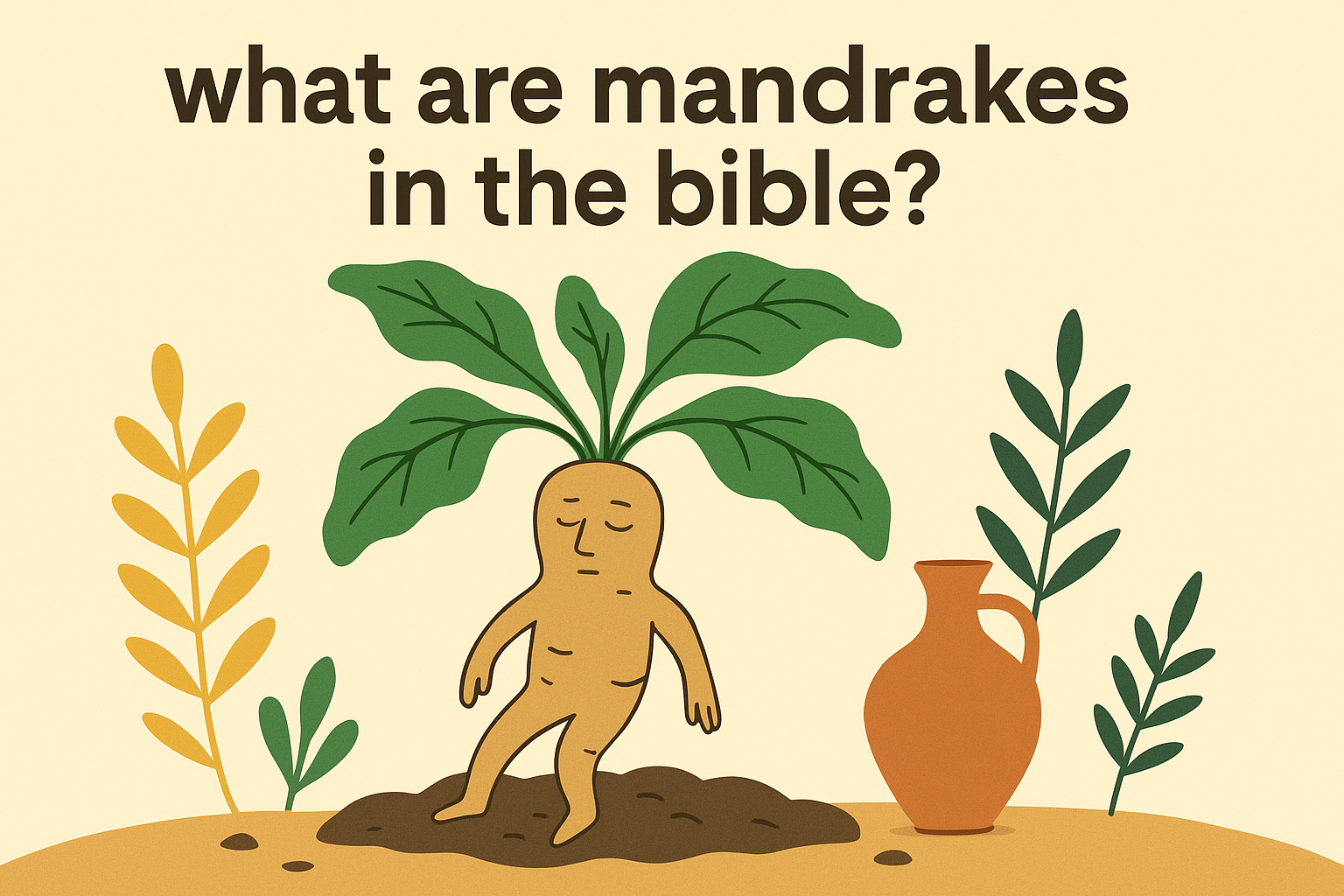
Mandrakes are mentioned in the Bible as a type of plant, specifically in the context of fertility and love. They are often associated with the story of Rachel and Leah in the Book of Genesis, where they are sought after for their supposed magical properties.
In the ancient world, mandrakes were believed to have various medicinal and aphrodisiac qualities, which contributed to their mystical reputation. This article will explore the significance of mandrakes in biblical texts, their cultural context, and their implications in the stories where they appear.
Mandrakes in Genesis: The Story of Rachel and Leah
The primary biblical reference to mandrakes is found in Genesis 30:14-16. In this passage, Leah, the first wife of Jacob, has already borne him several children, while her sister Rachel, the second wife, struggles with infertility. During the wheat harvest, Leah’s son Reuben finds mandrakes in the field and brings them to his mother. Rachel, desperate for children, asks Leah for some of the mandrakes.
Leah responds with a sharp retort, highlighting the tension between the two sisters. She asks Rachel, “Is it a small matter that you have taken away my husband? Would you take away my son’s mandrakes also?” This exchange illustrates not just the significance of the mandrakes, but also the rivalry and emotional turmoil between Rachel and Leah.
The Symbolism of Mandrakes
Mandrakes are often interpreted as symbols of fertility and desire. In the ancient Near East, plants were frequently imbued with symbolic meanings, and mandrakes were no exception. Their association with fertility is particularly evident in this story, as Rachel believes that consuming the mandrakes may help her conceive.
In the cultural context of the time, infertility was a significant source of shame and distress for women. The desire for children was deeply ingrained in the societal fabric, and mandrakes, believed to enhance fertility, represented hope for those facing such struggles.
Cultural Beliefs Surrounding Mandrakes
Mandrakes, known scientifically as Mandragora, have a long history of use in various cultures, especially in the Mediterranean region. They were often regarded as magical plants, believed to possess special properties, including the ability to promote fertility and enhance romantic attraction.
In ancient times, it was thought that mandrakes could be used in love potions and medicinal remedies. Their root structure, which resembles a human form, contributed to their mystical reputation. This anthropomorphic quality led to various superstitions, including the belief that the plant screamed when uprooted, causing death to those who heard it.
Biblical Interpretation and Tradition
The interpretation of mandrakes in the Bible has varied over time. Some scholars suggest that the mention of mandrakes reflects the cultural practices of the time, where plants were used in rituals and remedies. Others see the story as a more profound commentary on the human condition, particularly the struggles of women in a patriarchal society.
Traditionally, mandrakes have been viewed through the lens of symbolism rather than as a literal remedy. The focus on the rivalry between Rachel and Leah serves to highlight deeper themes of jealousy, desire, and the quest for acknowledgment and love.
The Role of Mandrakes in Fertility Rituals
In addition to their mention in the Genesis narrative, mandrakes have been associated with fertility rituals in various ancient cultures. They were often used in practices aimed at invoking divine favor for childbirth. In the biblical context, the desire for children reflects a broader theme of divine blessing, where offspring were seen as a sign of God’s favor.
In contemporary interpretations, mandrakes can serve as a reminder of the lengths to which individuals may go in their pursuit of love and acceptance. The story of Rachel and Leah illustrates the complexities of human relationships and the cultural pressures surrounding fertility.
Modern Perspectives on Mandrakes
Today, mandrakes are not commonly referenced in discussions of fertility or love as they were in ancient times. However, their rich history continues to intrigue scholars and enthusiasts of biblical literature. Some modern herbalists and alternative medicine practitioners may still reference mandrakes for their historical uses, but these practices are often rooted in folklore rather than scientific evidence.
In literature and popular culture, mandrakes often appear in stories that explore themes of magic and mysticism. They continue to symbolize the intersection of human desire and the natural world, serving as a reminder of the age-old struggle for love, recognition, and the desire for family.
The Botanical Characteristics of Mandrakes
Understanding the botanical characteristics of mandrakes can provide additional insight into their significance in biblical narratives. Mandrakes belong to the nightshade family, which includes various plants that are both beneficial and toxic. The roots of mandrakes are thick and forked, resembling a human form, which contributed to their mystical associations in various cultures.
Botanically, mandrakes thrive in Mediterranean climates and are known for their broad, green leaves and bell-shaped flowers. The fruit of the mandrake is small and berry-like, containing seeds that have historically been used in different herbal remedies. The plant’s unique appearance and the folklore surrounding it have led to its representation in art and literature throughout history.
The Role of Mandrakes in Ancient Medicine
In addition to their symbolic significance, mandrakes were also utilized in ancient medicine. Various cultures believed in their ability to treat ailments and enhance fertility. For instance, ancient physicians sometimes prescribed mandrake root as a sedative or pain reliever. The plant’s psychoactive properties were recognized, leading to its inclusion in some traditional medicinal practices.
Although these ancient uses are steeped in superstition and lack scientific validation, they reflect the ways in which people sought to harness nature for their needs. This historical context can help readers understand the desperation expressed by Rachel in her pursuit of children, as the use of mandrakes represented a blend of hope and tradition.
Comparative Cultural Perspectives
Mandrakes were not unique to the biblical narrative; they appear in various ancient cultures with similar symbolic meanings. For example, in Greco-Roman traditions, mandrakes were associated with love and fertility, often included in rituals aimed at securing romantic relationships. This cross-cultural phenomenon illustrates a shared human experience regarding desire and the quest for offspring.
In the context of the ancient Near East, the significance of plants like mandrakes is further emphasized by their appearance in folklore and mythology. Many cultures had their own tales and beliefs surrounding these plants, which contributed to their mystical reputation. Understanding these broader cultural beliefs can enhance our comprehension of the biblical text and the emotional weight carried by the characters involved.
The Psychological Dimension of Rachel and Leah’s Rivalry
The story of Rachel and Leah transcends the mere mention of mandrakes; it delves into the psychological dynamics of rivalry, jealousy, and the quest for validation. Rachel’s desperation for children can be viewed as a reflection of societal pressures and personal insecurities. Leah’s response indicates her own struggles for love and recognition within a patriarchal framework.
This rivalry serves as a microcosm of broader themes in the Bible, where relationships often reflect the complexities of human nature. The quest for fertility, love, and acknowledgment can lead individuals to make desperate choices, as seen in the story of Rachel and Leah. Their interactions provide rich material for reflection on the human condition, particularly concerning issues of self-worth and the desire for familial bonds.
Lessons from the Story of Mandrakes
The narrative surrounding mandrakes in the Bible offers several lessons that resonate with contemporary readers. One key takeaway is the reminder of the lengths to which individuals may go to attain their desires, whether for love, acceptance, or recognition. The rivalry between Rachel and Leah highlights the emotional complexities that often accompany such pursuits.
Moreover, the story invites reflection on the societal pressures surrounding fertility and motherhood. In a world where the ability to bear children was often equated with worth, the desperation felt by Rachel and Leah can be understood as a universal struggle for identity and belonging. This aspect of the narrative continues to resonate with many today, as individuals navigate similar pressures in their own lives.
Contemplating the Role of Faith
In considering the story of mandrakes and the struggles of Rachel and Leah, it is essential to contemplate the role of faith in their lives. The biblical narrative suggests that while the pursuit of physical means to achieve one’s desires is common, faith in God’s timing and provision is ultimately paramount. The story encourages readers to reflect on their own faith journeys and how trust in divine will can guide them through difficult circumstances.
Conclusion: The Enduring Significance of Mandrakes
Mandrakes in the Bible serve as more than just a curious botanical reference; they embody deep themes of desire, rivalry, and the human experience. Their association with fertility and love reflects the cultural context of the ancient world, while also inviting modern readers to reflect on their own struggles and aspirations.
As we explore the complexities of Rachel and Leah’s story, we are reminded of the profound emotional and psychological dimensions of human relationships. The narrative encourages us to examine our pursuits, the pressures we face, and the faith that sustains us through life’s challenges. Ultimately, the legacy of mandrakes endures as a symbol of the intricate interplay between human desire and divine providence, inviting us to contemplate our own journeys of love and faith.