
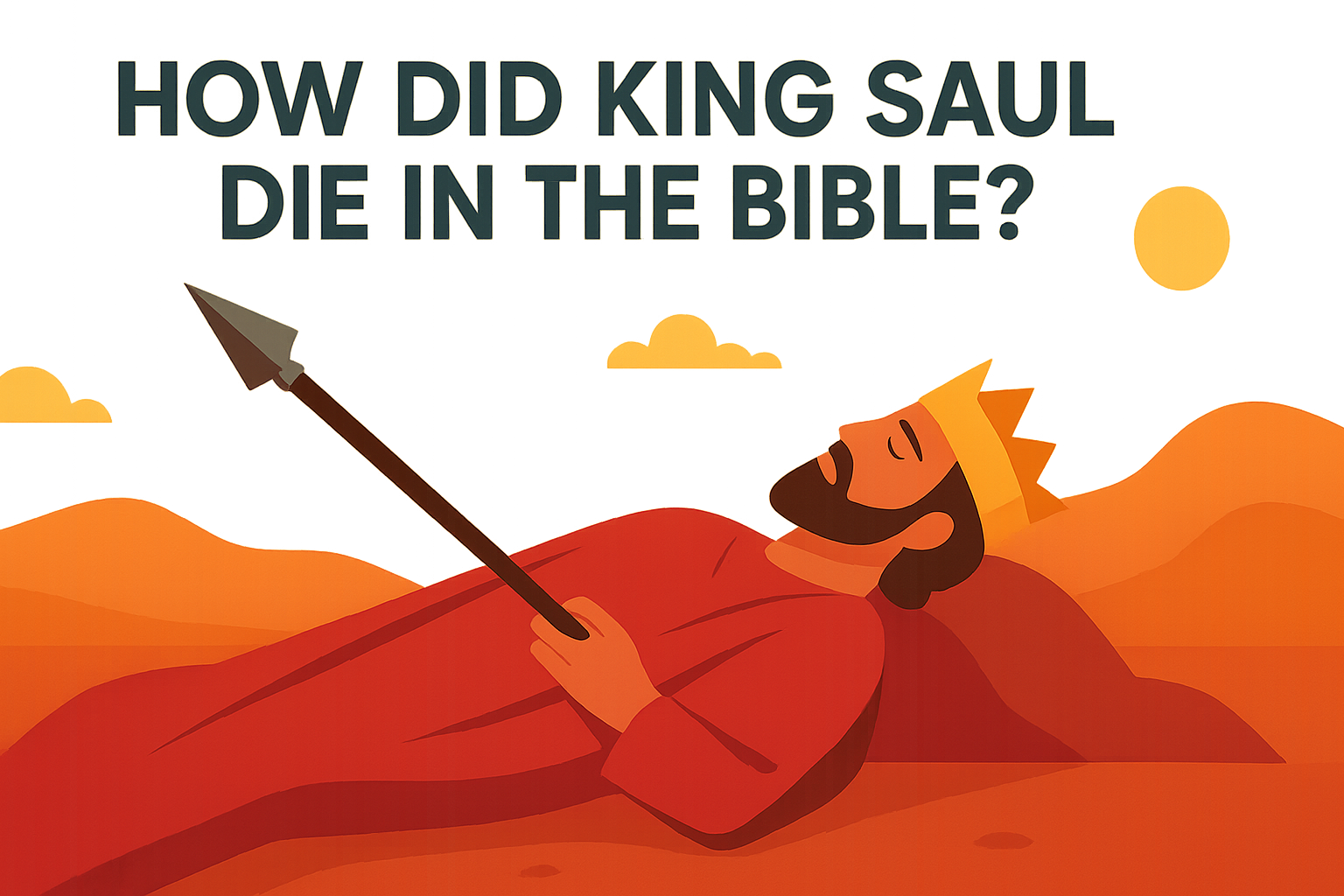
King Saul died in battle, as described in the Bible. His death is recorded in 1 Samuel 31. During a fierce confrontation with the Philistines, Saul faced overwhelming odds, leading to a tragic end. Ultimately, he took his own life to avoid capture and humiliation.
Saul’s demise is a significant event in biblical history, marking the end of his troubled reign as the first king of Israel. The circumstances surrounding his death reveal much about his character and the tumultuous times in which he lived.
The Context of Saul’s Reign
To understand how Saul died, it’s essential to grasp the context of his reign. Saul was anointed as king by the prophet Samuel, chosen to unite the tribes of Israel against external threats, particularly the Philistines. Initially, his reign showed promise, but over time, Saul struggled with jealousy, insecurity, and disobedience to God.
God’s favor departed from Saul due to his repeated failures to follow divine commands, particularly in his interactions with the Amalekites and his rejection of God’s instructions regarding sacrifices. This disobedience led to God’s choice of David as Saul’s successor, which only deepened Saul’s jealousy and paranoia.
The Battle Against the Philistines
In the final days of Saul’s life, the Philistines gathered their forces to wage war against Israel. This significant battle took place at Mount Gilboa. The Israelite army, led by Saul and his sons, faced a formidable enemy that outnumbered them. Saul’s fear and despair grew as he witnessed the chaos of battle and the loss of his troops.
In 1 Samuel 28, just before the battle, Saul sought guidance from a medium in Endor because he felt abandoned by God. This act of consulting a medium was against God’s law and reflected Saul’s desperate state. The spirit of Samuel appeared and foretold Saul’s impending defeat and death, which added to his despair.
The Death of Saul
The climax of Saul’s tragic story occurs in 1 Samuel 31. As the battle raged on, Saul’s sons, including Jonathan, were killed. Seeing the death of his sons and realizing the inevitable defeat, Saul was filled with anguish. He was wounded by archers and knew he would not survive the battle.
In a moment of desperation, Saul commanded his armor-bearer to kill him to avoid capture by the Philistines. His armor-bearer, however, was too afraid to carry out the act. Therefore, Saul fell on his own sword, ending his life rather than facing the humiliation of being captured by the enemy.
“So Saul took his own sword and fell on it.” (1 Samuel 31:4 NLT)
The Aftermath of Saul’s Death
After Saul’s death, the Philistines found his body and displayed it on the walls of Beth-shan as a trophy of victory. This act was intended to humiliate the fallen king and serve as a warning to the Israelites. However, the valiant actions of some of Saul’s loyal followers led to a noble act of retrieval. The men of Jabesh-gilead, who remembered Saul’s earlier kindness in saving their city, risked their lives to recover his body and give him a proper burial.
The events following Saul’s death highlight the respect some still held for him despite his failures. His reign ended in tragedy, not just for him but for the nation of Israel, which faced further turmoil and division as they transitioned to David’s kingship.
Lessons from Saul’s Death
Saul’s demise serves as a poignant reminder of the consequences of disobedience and the importance of seeking God’s guidance. His life was marked by early promise but ultimately led to despair due to his choices. The tragic end of Saul illustrates the peril of allowing fear and jealousy to dictate decisions, leading to a downfall.
Moreover, the narrative emphasizes that even in failure, there can be moments of loyalty and honor, as seen in the actions of the men of Jabesh-gilead. Saul’s story is a complex tapestry of human emotion, leadership, and the consequences of turning away from God.
Theological Implications of Saul’s Death
The death of King Saul carries significant theological implications within the biblical narrative. His tragic end raises questions about divine justice, mercy, and the consequences of sin. Saul’s repeated disobedience to God led to his rejection as king, but his final act of taking his own life can be viewed through various lenses in Christian theology.
Many theologians interpret Saul’s death as a reflection of God’s sovereignty and the seriousness of turning away from divine instructions. The narrative warns believers of the dangers of straying from faithfulness to God. Saul’s choice to consult a medium instead of seeking God highlights the futility of trying to find answers outside of God’s will, reinforcing the importance of faith and obedience.
Saul’s Legacy and Its Impact on Israel
Saul’s legacy is complex, marked by both his initial successes and significant failures. His reign set the stage for the rise of David, who would eventually unify the tribes of Israel and establish a lasting dynasty. However, Saul’s inability to embrace his role as God’s anointed king led to a fractured nation.
In the aftermath of Saul’s death, Israel faced a power vacuum that contributed to ongoing conflict and division. David’s ascension to the throne brought hope but also challenges, as factions loyal to Saul continued to resist David’s rule. This transition period highlights the consequences of leadership failures and the importance of unity among God’s people.
Saul’s Relationship with David
The relationship between Saul and David is pivotal in understanding the dynamics leading to Saul’s demise. Initially, Saul admired David, especially after David’s victory over Goliath. However, as David gained popularity, Saul’s jealousy grew, culminating in attempts to kill David. This animosity created a toxic environment that ultimately contributed to Saul’s downfall.
David’s own experience of fleeing from Saul’s wrath adds depth to the narrative. It illustrates the complexities of human relationships and the impact of sin on personal connections. Saul’s inability to reconcile with David and accept God’s plan for his successor is a cautionary tale for leaders about the importance of humility and acceptance of God’s will.
Questions for Reflection
Saul’s death prompts several important questions for reflection in the life of a believer:
- What can we learn from Saul’s disobedience and its consequences?
- How does Saul’s reliance on a medium inform our understanding of seeking guidance?
- In what ways can we ensure that jealousy and fear do not dictate our actions?
- How can we honor those who have failed while still acknowledging their shortcomings?
These questions encourage introspection and growth, inviting believers to examine their own lives in light of Saul’s story. They challenge individuals to seek a closer relationship with God and to remain steadfast in faith, even in times of difficulty and uncertainty.
Concluding Thoughts on Saul’s End
In conclusion, the death of King Saul is not just a historical account but a profound narrative filled with moral and spiritual lessons. His life serves as a reminder of the importance of obedience to God, the perils of jealousy and pride, and the complexities of leadership. Saul’s tragic end invites believers to reflect on their own journeys, encouraging them to seek God earnestly and remain faithful, even amidst life’s battles.
Ultimately, Saul’s story emphasizes that while leadership carries immense responsibilities, the heart’s condition before God is paramount. His legacy, though marked by failure, also shines a light on the possibility of redemption and the enduring faithfulness of God, even in the face of human shortcomings.
For further exploration of biblical narratives and their implications, consider reading about Saul’s life in this article and learn more about David’s rise to kingship in this related piece.