
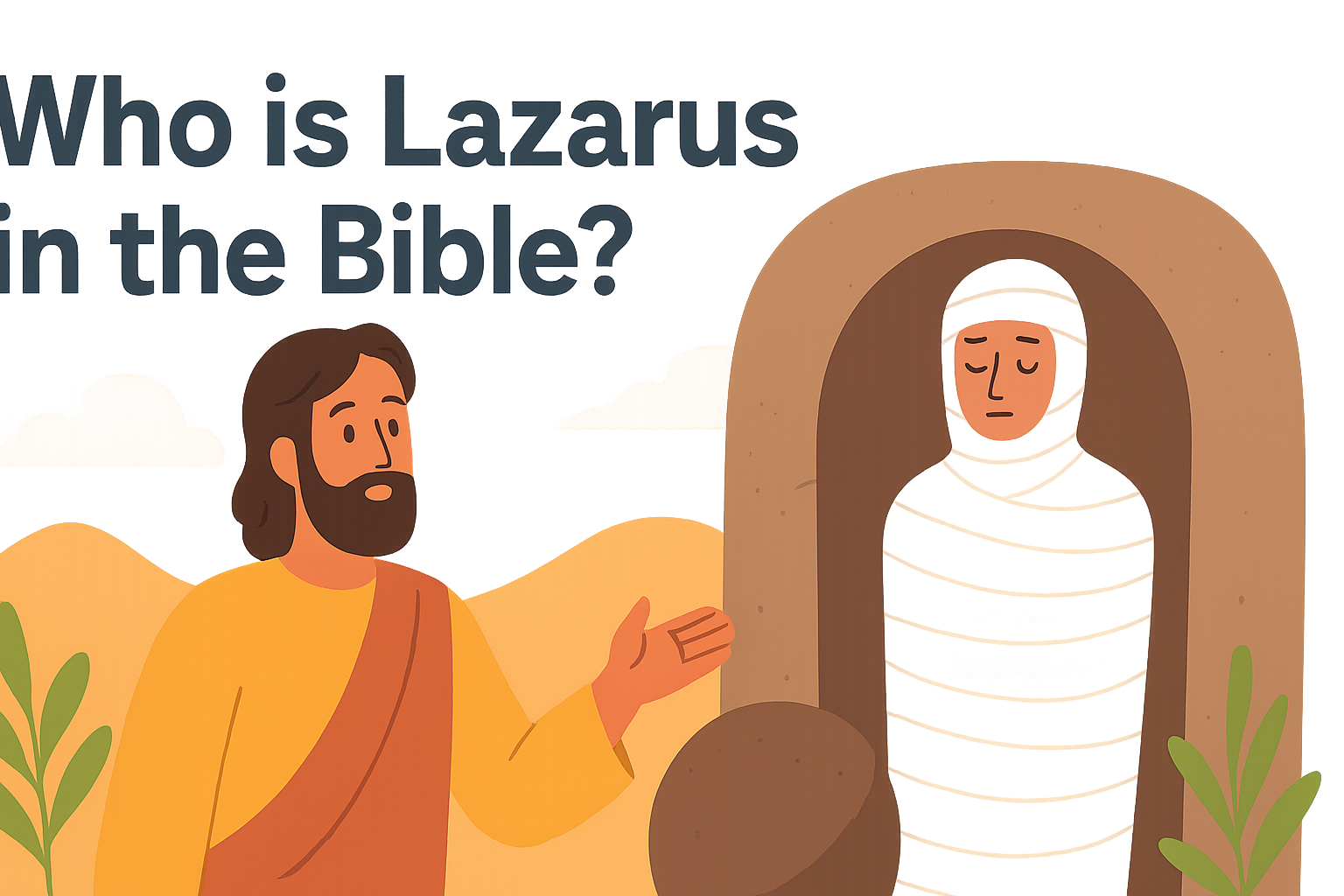
Lazarus in the Bible refers to two distinct individuals: one is a friend of Jesus who was raised from the dead, and the other is a poor man mentioned in a parable told by Jesus. The first Lazarus is primarily known for his miraculous resurrection, which is recorded in the Gospel of John. The second Lazarus serves as a figure in a moral teaching about wealth and poverty in the Gospel of Luke.
Both characters illustrate significant themes in Christian teachings, including faith, life after death, and the consequences of one’s actions in this life. Understanding these two figures provides insight into Jesus’ ministry and the lessons He aimed to impart to His followers.
Lazarus, the Friend of Jesus
The most well-known Lazarus is the brother of Mary and Martha, who lived in Bethany, a village near Jerusalem. His story is found in the Gospel of John, specifically in John 11:1-44. According to the account, Lazarus fell ill, prompting his sisters to send word to Jesus, hoping He would come and heal him. However, Jesus delayed His visit, and by the time He arrived, Lazarus had already been dead for four days.
The Death of Lazarus
When Jesus finally arrived, Martha, one of Lazarus’ sisters, expressed her disappointment, saying, “Lord, if you had been here, my brother would not have died” (John 11:21, NLT). Jesus reassured her, affirming that Lazarus would rise again. Martha responded, showing her belief in the resurrection at the last day. Jesus then declared, “I am the resurrection and the life” (John 11:25, NLT), indicating His power over death.
The Miracle of Resurrection
After speaking with Martha, Jesus approached the tomb where Lazarus was laid. Moved by the grief of Mary and the others present, He wept, demonstrating His compassion (John 11:35, NLT). Jesus then ordered the stone to be removed from the tomb despite concerns about the odor of decay. He prayed to the Father and called out, “Lazarus, come out!” (John 11:43, NLT). Miraculously, Lazarus emerged from the tomb, still wrapped in burial cloths, alive once more.
This event not only showcases Jesus’ miraculous power but also serves as a pivotal moment that led to increased tension between Jesus and the religious authorities. Many who witnessed this miracle believed in Jesus, while others reported the event to the Pharisees, prompting them to plot Jesus’ death (John 11:45-53).
The Lazarus of the Parable
The second Lazarus appears in a parable told by Jesus in Luke 16:19-31. This story contrasts the lives of a rich man and a poor beggar named Lazarus. The rich man lived in luxury, while Lazarus suffered in poverty, longing for scraps from the rich man’s table. When both men died, their fortunes were reversed. Lazarus was carried by angels to Abraham’s side, a place of comfort, while the rich man found himself in torment in Hades.
The Rich Man’s Plea
In his suffering, the rich man called out to Abraham, asking for Lazarus to dip his finger in water to cool his tongue, as he was in agony. Abraham reminded him of the good things he had received during his life and how Lazarus had received bad things. This reversal highlights the theme of divine justice and the consequences of one’s actions on earth.
The Lesson of the Parable
The parable emphasizes the importance of how we treat others, particularly those in need. It serves as a warning against complacency and selfishness, illustrating that earthly wealth does not guarantee a favorable position in the afterlife. The rich man’s request to send Lazarus back to warn his brothers was denied, as Abraham stated that they had Moses and the Prophets to guide them (Luke 16:29, NLT). This underscores the necessity of heeding God’s Word and living righteously.
Lessons from Lazarus’ Stories
The stories of Lazarus, both as a friend of Jesus and as a character in a parable, convey profound lessons about faith, compassion, and the nature of life and death. The resurrection of Lazarus serves as a powerful testament to Jesus’ authority over death, encouraging believers to have faith in eternal life. On the other hand, the parable of Lazarus and the rich man reminds Christians of the moral obligations they hold toward others and the importance of living a life that reflects God’s love and justice.
These narratives invite reflection on personal faith and the treatment of those around us, urging believers to embody the principles Jesus taught during His ministry. Through both Lazaruses, the Bible challenges readers to consider their priorities in life and their eternal destinies.
The Significance of Lazarus’ Resurrection
The resurrection of Lazarus is one of the most significant miracles attributed to Jesus in the New Testament. It is not merely a demonstration of power; it serves a deeper purpose in revealing Jesus’ identity and mission. This event occurred just before Jesus’ own crucifixion and resurrection, making it a foreshadowing of what was to come. By raising Lazarus from the dead, Jesus provided a vivid illustration of His authority as the Son of God and the promise of eternal life for those who believe in Him.
Symbolism and Theological Implications
Lazarus’ resurrection symbolizes hope and the transformative power of faith. In Christian theology, it reflects the belief that death is not the end but rather a transition to a new form of life. Jesus’ declaration of being “the resurrection and the life” emphasizes that faith in Him can lead to spiritual rebirth and everlasting life. This teaching reassures believers that physical death does not separate them from God’s love and that they can expect a future resurrection as promised in the Scriptures.
Furthermore, Lazarus’ situation illustrates the human experience of grief and loss. Jesus’ act of weeping at Lazarus’ tomb shows that He empathizes with human suffering. This aspect of the story encourages believers to bring their sorrows to God, knowing that He understands and cares for their pain.
Connections to Other Biblical Themes
The story of Lazarus is interconnected with various themes in the Bible, including faith, resurrection, and eternal life. It invites readers to explore how these themes manifest throughout Scripture. For instance, the resurrection of Lazarus can be linked to the resurrection of Jesus, as both events affirm the promise of life beyond death. This connection is especially poignant during the Easter season, when Christians celebrate Jesus’ victory over the grave.
Faith and Doubt
The interaction between Jesus and Martha also highlights the tension between faith and doubt. Martha expresses her belief in the resurrection but struggles to comprehend the immediacy of Jesus’ power. This narrative encourages believers to confront their own doubts and to trust in God’s timing and plan. It serves as a reminder that faith can coexist with questions and uncertainties, and Jesus invites His followers to bring those doubts to Him.
The Role of Community
Another important aspect of Lazarus’ story is the role of community in times of grief. The presence of friends and family at the tomb underscores the importance of support during difficult times. Jesus’ miracle not only restored Lazarus to life but also strengthened the faith of those who witnessed it. This illustrates the Christian call to bear one another’s burdens and to provide comfort and encouragement within the community of believers.
Lessons from the Parable of Lazarus
The parable of Lazarus and the rich man offers profound insights into the moral and spiritual responsibilities of individuals. This narrative emphasizes the stark contrast between earthly wealth and spiritual wealth, urging readers to reflect on their priorities. The rich man’s fate serves as a cautionary tale about the dangers of materialism and neglecting the needs of others.
The Importance of Compassion
Through the character of Lazarus, the parable highlights the vital importance of compassion and empathy. In life, Lazarus was ignored and overlooked, but in death, he received honor and comfort. This reversal challenges readers to consider how they treat those who are marginalized or suffering. It prompts a self-examination of one’s attitudes toward wealth, generosity, and social justice.
Awareness of the Afterlife
The rich man’s awareness of his predicament after death emphasizes the reality of eternal consequences. This aspect of the parable encourages believers to live with an eternal perspective, recognizing that their actions have lasting significance. The plea of the rich man to warn his brothers reflects a desire for redemption, showcasing the urgency of sharing the message of God’s love and salvation with others.
Questions for Reflection
The stories of both Lazarus invite deeper reflection and self-examination. Here are some questions to consider:
- How does the resurrection of Lazarus influence your understanding of life after death?
- In what ways can you show compassion and support to those in need in your community?
- What doubts do you struggle with in your faith, and how can you bring those to Jesus for understanding?
- How can you ensure that your life reflects the values of generosity and love that Jesus taught?
Conclusion: The Dual Legacy of Lazarus
Lazarus, both as a friend of Jesus and as a figure in a parable, serves as a powerful reminder of the core tenets of Christian faith. His resurrection illustrates the hope of eternal life and the authority of Jesus over death. Meanwhile, the parable of Lazarus and the rich man challenges believers to consider their actions and the moral implications of wealth and poverty. Together, these narratives encapsulate the essence of Jesus’ teachings on faith, compassion, and the importance of living a life that reflects God’s love.
Through the stories of Lazarus, Christians are encouraged to deepen their faith, embrace compassion for others, and remain mindful of their eternal destinies. These lessons continue to resonate, inviting all to reflect on their relationship with God and their role in the world.
For further exploration of biblical figures and their significance, you can read about the importance of faith in the resurrection and the teachings of Jesus on wealth and poverty.