
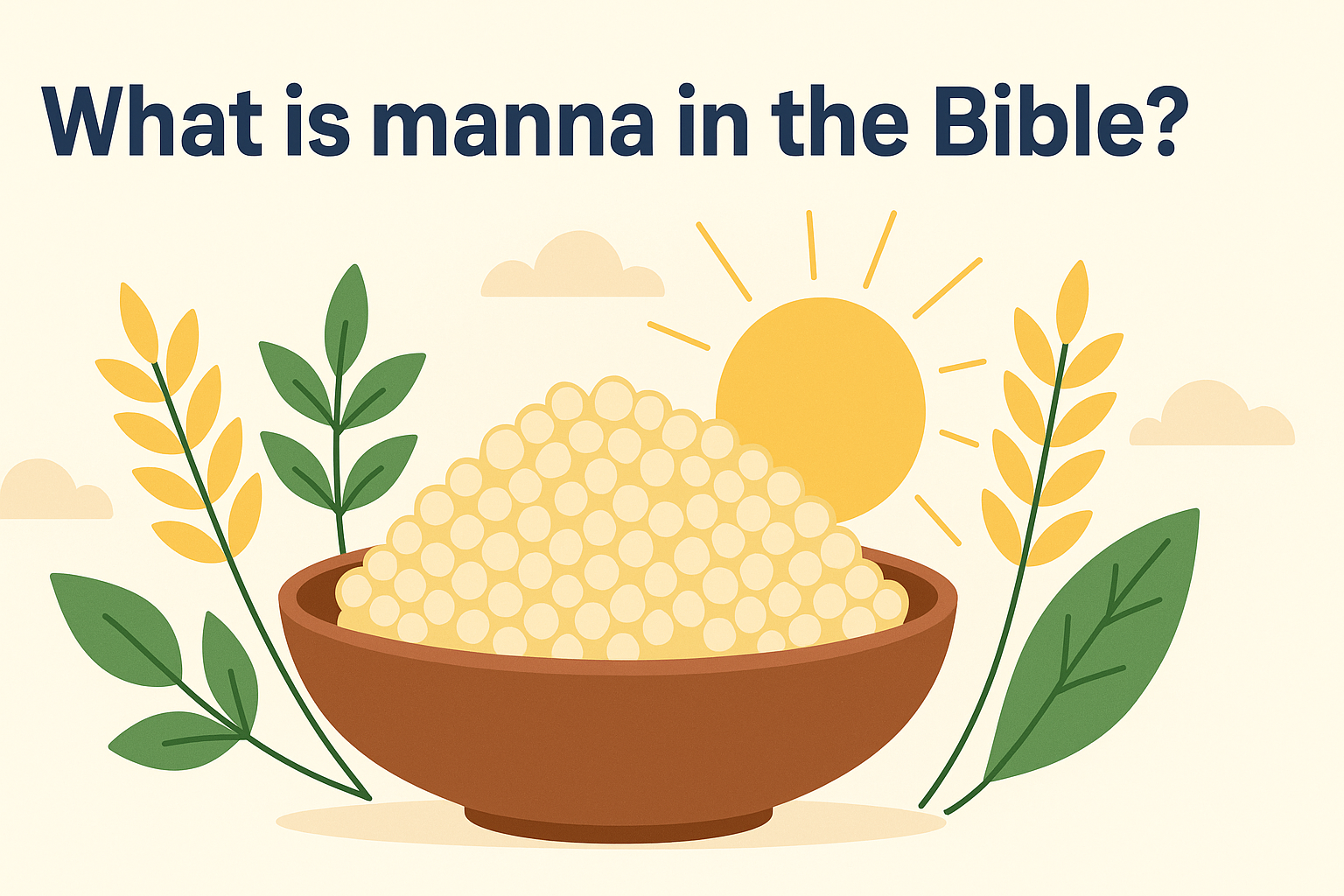
Manna, in the Bible, refers to a miraculous food that God provided to the Israelites during their journey in the wilderness after escaping slavery in Egypt. This heavenly sustenance is described as a fine, flaky substance that appeared each morning, allowing the people to gather and eat it. Manna is often seen as a symbol of God’s provision and care for His people during their time of need.
The term “manna” itself comes from the Hebrew word “man,” which means “What is it?” This name reflects the Israelites’ initial confusion upon encountering the substance. They had never seen anything like it before, and it sparked curiosity and wonder among the people.
The Biblical Account of Manna
The story of manna is primarily found in the book of Exodus, particularly in Exodus 16. After the Israelites left Egypt, they traveled through the desert and soon found themselves in a dire situation. They complained to Moses and Aaron about their lack of food, expressing a desire to return to Egypt where they had plenty to eat, despite being enslaved.
In response to their complaints, God provided manna from heaven. Exodus 16:4 states, “Then the Lord said to Moses, ‘Look, I am going to rain down food from heaven for you.'” This marked the beginning of a significant and miraculous provision that lasted for 40 years as the Israelites wandered in the wilderness.
The Nature of Manna
Manna is described in various ways throughout the Scriptures. It is often depicted as small, white flakes resembling frost or coriander seed. According to Exodus 16:31, it tasted like wafers made with honey. This unique taste made it not only a necessity for survival but also a delight for the people.
The Israelites were instructed to gather only what they needed for each day, with a double portion on the sixth day to prepare for the Sabbath. Exodus 16:16-17 notes, “Each household should gather as much as it needs. Pick up two quarts for each person in your tent.” This daily gathering reinforced their reliance on God for sustenance and taught them to trust Him for their needs.
The Symbolism of Manna
Manna carries deep symbolic meaning within the Christian faith. It is often viewed as a foreshadowing of Jesus Christ, who referred to Himself as the “bread of life” in John 6:35. Just as manna sustained the Israelites in the wilderness, Jesus offers spiritual nourishment and sustenance to believers.
In John 6:32-33, Jesus states, “I tell you the truth, Moses didn’t give you bread from heaven. My Father did. And now he offers you the true bread from heaven. The true bread of God is the one who comes down from heaven and gives life to the world.” This connection highlights how God’s provision through manna was a precursor to His ultimate gift of salvation through Jesus.
The Instructions for Gathering Manna
The Israelites were given specific instructions on how to gather and use manna. They were to collect it each morning before the sun became hot, as it would melt away in the sun’s heat. Exodus 16:21 emphasizes the importance of timely gathering: “After the dew evaporated, a flaky substance as fine as frost blanketed the ground.”
However, disobedience occurred when some Israelites attempted to gather extra manna to save for the next day. Exodus 16:20 warns, “But some of them didn’t listen and kept some of it until morning. But by morning it was full of worms and had a terrible smell.” This incident illustrated the importance of trusting God daily for provision and not relying on their own understanding or efforts.
The Sabbath and Manna
Another significant aspect of manna was its relationship to the Sabbath. God commanded the Israelites to gather a double portion on the sixth day so that they could rest on the Sabbath, which He had established as a day of rest. Exodus 16:23 states, “He told them, ‘This is what the Lord commanded: Tomorrow will be a day of complete rest, a holy Sabbath day set apart for the Lord.'” The gathering of manna and its connection to the Sabbath highlights the importance of rest and reliance on God’s provision.
This practice not only reinforced the sanctity of the Sabbath but also served as a reminder of God’s ongoing care for His people. By providing enough manna for two days on the sixth day, God demonstrated His faithfulness and desire for His people to observe the Sabbath rest.
Manna in the New Testament
The concept of manna is revisited in the New Testament, particularly in the Gospel of John. Jesus uses the story of manna to illustrate His role as the spiritual sustenance for believers. In John 6, after feeding the 5,000 with five loaves and two fish, Jesus draws a parallel between the miraculous feeding and the manna provided to the Israelites.
In John 6:49-51, He says, “Your ancestors ate manna in the wilderness, but they all died. Anyone who eats the bread from heaven, however, will never die. I am the living bread that came down from heaven. Anyone who eats this bread will live forever.” This statement emphasizes the eternal life found in Christ compared to the temporary sustenance provided by manna.
Theological Significance of Manna
Manna is not only a physical sustenance but also holds profound theological significance. It serves as a reminder of God’s providence and the need for daily dependence on Him. The Israelites’ experience in the wilderness is often interpreted as a metaphor for the spiritual journey of believers. Just as the Israelites needed manna each day, Christians are called to seek spiritual nourishment through prayer, Scripture, and fellowship with other believers.
Moreover, the daily gathering of manna reinforced the concept of God’s faithfulness. By providing just enough for each day, God taught the Israelites to trust Him for their immediate needs. This principle resonates in the New Testament, where Jesus teaches His followers to pray for their daily bread (Matthew 6:11). This prayer reflects a reliance on God for both physical and spiritual nourishment, emphasizing the need for ongoing dependence on Him.
Lessons from the Manna Experience
The accounts of manna in the wilderness offer several lessons relevant to contemporary believers. First, the story highlights the importance of obedience to God’s commands. The Israelites faced consequences for hoarding manna or failing to gather it as instructed. This serves as a warning for believers to adhere to God’s guidance and trust in His plan, even when it seems challenging or counterintuitive.
Second, the experience of gathering manna encourages community and shared reliance on God. The Israelites collected manna as families, promoting unity and cooperation. In the same way, Christians today are called to support one another in their spiritual journeys, sharing resources and encouragement as they seek to grow in faith together.
Manna and the Eucharist
The connection between manna and the Eucharist, or Communion, is a significant aspect of Christian theology. The Eucharist represents the body of Christ, which believers partake in as a means of grace. Just as the Israelites consumed manna to sustain their physical bodies, Christians consume the bread and wine in remembrance of Jesus’ sacrifice for spiritual sustenance.
This parallel is emphasized in the writings of early Church Fathers, who viewed the Eucharist as the fulfillment of the manna provided in the wilderness. The idea that Christ is the true bread from heaven enriches the understanding of Communion, making it a vital aspect of Christian worship and community life.
Manna in Christian Tradition
Manna has also found a place in Christian tradition and literature, often symbolizing divine grace and sustenance. Throughout history, various theologians and writers have reflected on the significance of manna as a representation of God’s loving provision. For instance, hymns and liturgies incorporate themes of manna to remind believers of God’s constant care and the importance of spiritual nourishment.
Additionally, some Christian denominations use the manna narrative to emphasize the importance of faith and trust in God. During times of struggle or uncertainty, believers are reminded to look back at God’s faithfulness in providing for His people, encouraging them to rely on Him in their own lives.
Questions for Reflection
As we consider the significance of manna, several reflective questions may arise:
- How does the story of manna challenge your understanding of reliance on God in your daily life?
- In what ways can you foster a greater sense of community and shared faith with others?
- How can you apply the lessons from the gathering of manna to your spiritual practices today?
- What does it mean to you that Jesus is described as the “bread of life” in relation to your faith journey?
These questions encourage deeper thinking about the role of God’s provision in our lives and how we can actively seek spiritual nourishment in our daily routines.
Conclusion: Manna as a Symbol of God’s Provision
In summary, manna represents much more than a miraculous food source for the Israelites; it illustrates God’s unfailing provision and care throughout their wilderness journey. The lessons learned from the experience of gathering manna are timeless, emphasizing the importance of obedience, community, and trust in God. By linking manna to the life of Jesus and the practice of Communion, we see how this ancient narrative continues to resonate within the Christian faith today.
Ultimately, the story of manna invites believers to reflect on their own spiritual nourishment and reliance on God, encouraging them to seek Him daily for sustenance in a world filled with uncertainty.
For further exploration of the significance of manna and its implications for faith, consider reading about the bread of life in the New Testament and the connection between manna and the Eucharist.