
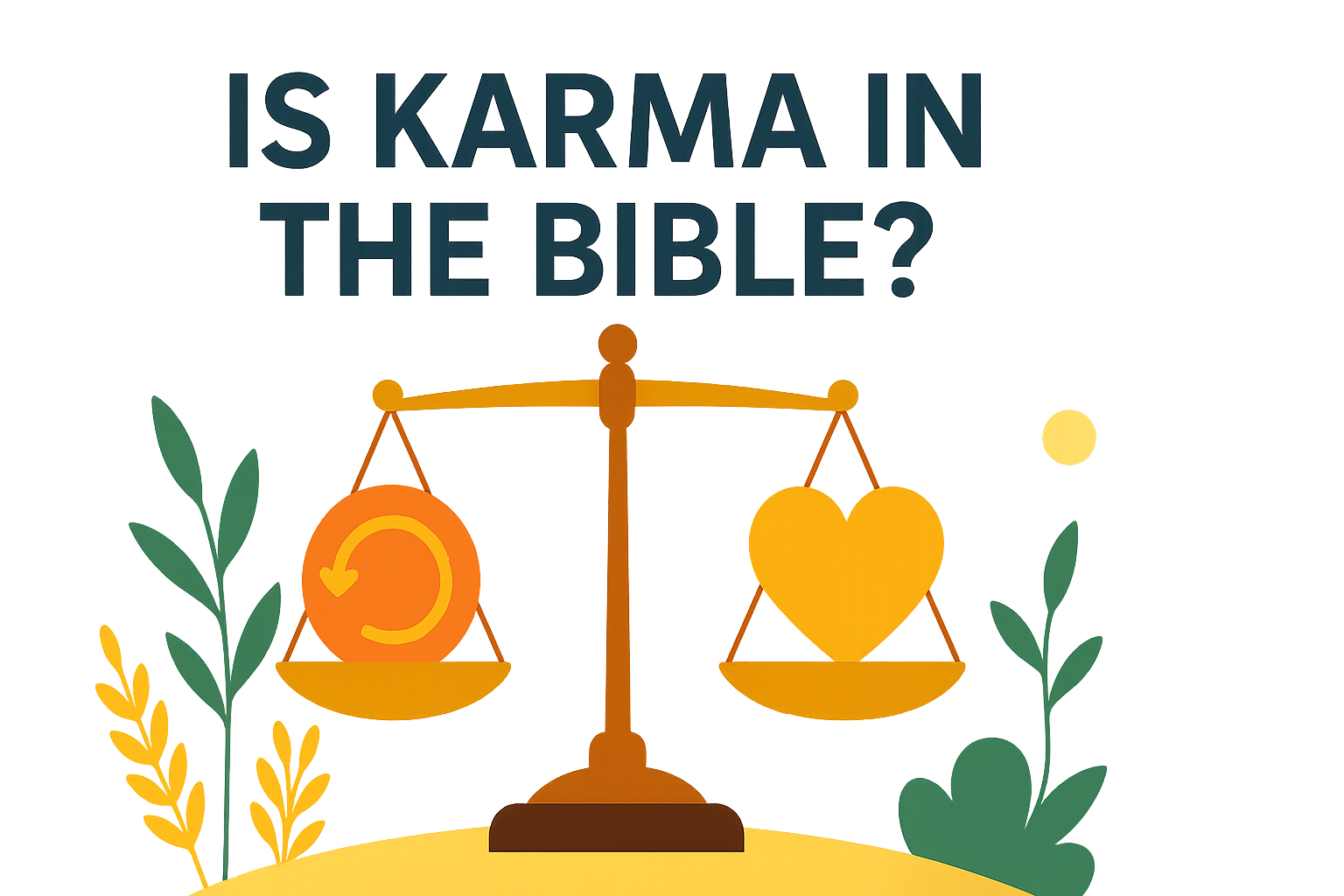
The concept of karma, often associated with Eastern religions, refers to the idea that a person’s actions—good or bad—will determine their future experiences, either in this life or in future lives. In contrast, the Bible does not explicitly mention karma. However, it does present similar principles regarding the consequences of our actions and the moral order established by God.
While the term “karma” itself is not found in Scripture, the Bible teaches that our choices have consequences. This principle is often encapsulated in the phrase “you reap what you sow,” which is found in Galatians 6:7. This suggests that the actions we take will inevitably lead to results that reflect those actions, emphasizing personal responsibility and divine justice.
The Biblical Principle of Sowing and Reaping
One of the clearest biblical teachings that aligns with the idea of karma is the principle of sowing and reaping. In Galatians 6:7-8, the Apostle Paul writes, “Don’t be misled; you cannot mock the justice of God. You will always harvest what you plant.” This passage highlights that our choices in life lead to specific outcomes. If we invest in good actions, we are likely to see positive results, while negative actions will lead to negative consequences.
Understanding Context
It’s important to understand the context of this teaching. Paul was addressing the Galatian church, encouraging them to live by the Spirit rather than indulging in sinful behavior. He emphasizes that living a life led by the Spirit will yield spiritual fruit, while a life of sin will lead to destruction. This idea of reaping what you sow is not about a cosmic balancing act but rather about God’s justice and the natural consequences of our actions.
Divine Justice and Mercy
The Bible presents God as a just and merciful deity. While karma implies a mechanical system of cause and effect, the biblical understanding of justice is more nuanced. For example, in Romans 2:6, it states, “He will judge everyone according to what they have done.” This reflects the belief that God evaluates our actions and responds accordingly. However, God’s mercy through Jesus Christ offers forgiveness and redemption for those who repent.
This balance of justice and mercy is evident in the story of the Prodigal Son (Luke 15:11-32). The son squanders his inheritance on reckless living but is welcomed back by his father when he returns in repentance. This narrative illustrates that while there are consequences for our actions, God’s grace provides a way for restoration.
Consequences of Sin and Righteousness
The Bible also speaks about the consequences of sin and righteousness in various passages. For instance, Proverbs 11:18 says, “Evil people get rich for the moment, but the reward of the godly will last.” This verse indicates that while it may seem like wrongdoers prosper temporarily, their actions will ultimately lead to ruin. In contrast, those who pursue righteousness will experience lasting rewards.
Examples from Scripture
- King David: After committing adultery and orchestrating the murder of Uriah, David faced severe consequences for his actions, including family turmoil and loss (2 Samuel 12:10-12).
- The Israelites: Throughout the Old Testament, the Israelites faced consequences for their disobedience to God, such as exile and suffering, while periods of faithfulness brought blessings (Deuteronomy 28).
- Jesus’ Teachings: In the Sermon on the Mount (Matthew 5-7), Jesus teaches about the blessings that come from living righteously, contrasting them with the fate of the wicked.
The Role of Free Will
Another critical aspect of the biblical worldview is the concept of free will. Unlike the deterministic view of karma, the Bible emphasizes that individuals have the freedom to choose their paths. Deuteronomy 30:19-20 encourages people to choose life and blessings over death and curses, underscoring the importance of personal choice in determining outcomes.
This idea of free will means that while actions have consequences, individuals are not bound to a predetermined fate. Each person can repent, change their ways, and seek a relationship with God, which can alter the course of their lives significantly.
Conclusion on Karma in the Bible
In summary, while the Bible does not explicitly teach the concept of karma as understood in Eastern religions, it does convey similar principles of moral consequence through the teachings of sowing and reaping. The biblical narrative emphasizes God’s justice, mercy, and the importance of human choice. Understanding these principles helps clarify how the biblical view of consequences differs from the concept of karma, providing a richer understanding of God’s character and His expectations for humanity.
The Nature of God’s Justice
God’s justice is profound and encompasses more than just the consequences of actions. It is rooted in His holiness and righteousness. The Bible presents God as the ultimate judge who discerns the intentions of the heart, not merely the outward actions. In Hebrews 4:13, it states, “Nothing in all creation is hidden from God. Everything is naked and exposed before his eyes, and he is the one to whom we are accountable.” This underscores that God’s assessment goes beyond visible deeds to the motivations behind them.
Understanding God’s justice helps clarify that while actions have consequences, the heart’s motives also play a crucial role. This aspect of divine justice emphasizes the need for a genuine relationship with God, where individuals can seek forgiveness and transformation rather than merely facing the repercussions of their actions.
Redemption and Restoration
In the biblical narrative, the theme of redemption is central. While the consequences of sin are real and often severe, the overarching message of the Bible is one of hope and restoration. Through Jesus Christ, believers are offered a path to reconciliation with God, regardless of their past actions. Romans 5:8 states, “But God showed his great love for us by sending Christ to die for us while we were still sinners.” This illustrates that God’s grace is available even in the face of wrongdoing.
Moreover, the concept of redemption is not only about individual salvation but also about the potential for transformation within communities. When people respond to God’s call, they can contribute to a collective change that reflects God’s kingdom on earth. This idea contrasts with the karma principle that suggests a static outcome based on past actions. Instead, the Bible invites individuals to embrace change and seek God’s guidance for a better future.
The Importance of Repentance
Repentance is a significant theme in the Bible that highlights the possibility of change and forgiveness. Unlike karma, which implies a fixed outcome based on actions, the Bible teaches that through sincere repentance, individuals can receive forgiveness and a fresh start. In 1 John 1:9, it says, “If we confess our sins, he is faithful and just to forgive us our sins and to cleanse us from all wickedness.” This promise emphasizes that God’s mercy is available to all who turn to Him in humility.
The act of repentance also involves a transformation of heart and behavior. It is not simply an acknowledgment of wrongdoing but a commitment to change and align one’s life with God’s will. This process reflects the biblical view of moral consequence, where turning away from sin leads to restoration and blessings rather than a predetermined cycle of karma.
Living Out Biblical Principles
For Christians, understanding the principles of sowing and reaping, justice, mercy, and repentance should shape their daily lives. It encourages believers to act with integrity, serve others, and seek to reflect God’s love in their actions. Engaging with these principles can lead to a life that bears fruit, both for oneself and for the community.
Moreover, this understanding calls for a proactive approach to life. Instead of merely waiting for consequences to unfold, individuals are encouraged to make wise choices, seek God’s guidance, and strive for righteousness. This active faith is a response to the grace and mercy of God, recognizing that while actions have consequences, there is always an opportunity for redemption.
Faith and Assurance
Finally, the biblical perspective on consequences provides assurance to believers. The knowledge that God is just and merciful allows Christians to navigate life’s challenges with hope. They can trust that their actions matter and that they are not merely victims of fate. Instead, they are active participants in God’s unfolding story, where every choice contributes to their spiritual journey and the well-being of others.
This assurance is further reinforced by the understanding that God is sovereign and works all things together for good. Romans 8:28 reminds believers that “And we know that in all things God works for the good of those who love him, who have been called according to his purpose.” This perspective allows Christians to view their lives through the lens of faith rather than a deterministic cycle of karma.
Conclusion on Karma in the Bible
In conclusion, while karma as a concept is not found in the Bible, the Scriptures do present similar ideas regarding moral consequence, justice, and redemption. The biblical narrative emphasizes that actions have consequences, but it also highlights God’s mercy and the possibility of repentance and transformation. Understanding these principles allows believers to engage with their faith actively, trusting in God’s justice and living in a way that reflects His love and righteousness.
For deeper insights into how biblical teachings on justice and mercy shape our understanding of consequences, check out these articles on the nature of God’s justice and the importance of repentance.