
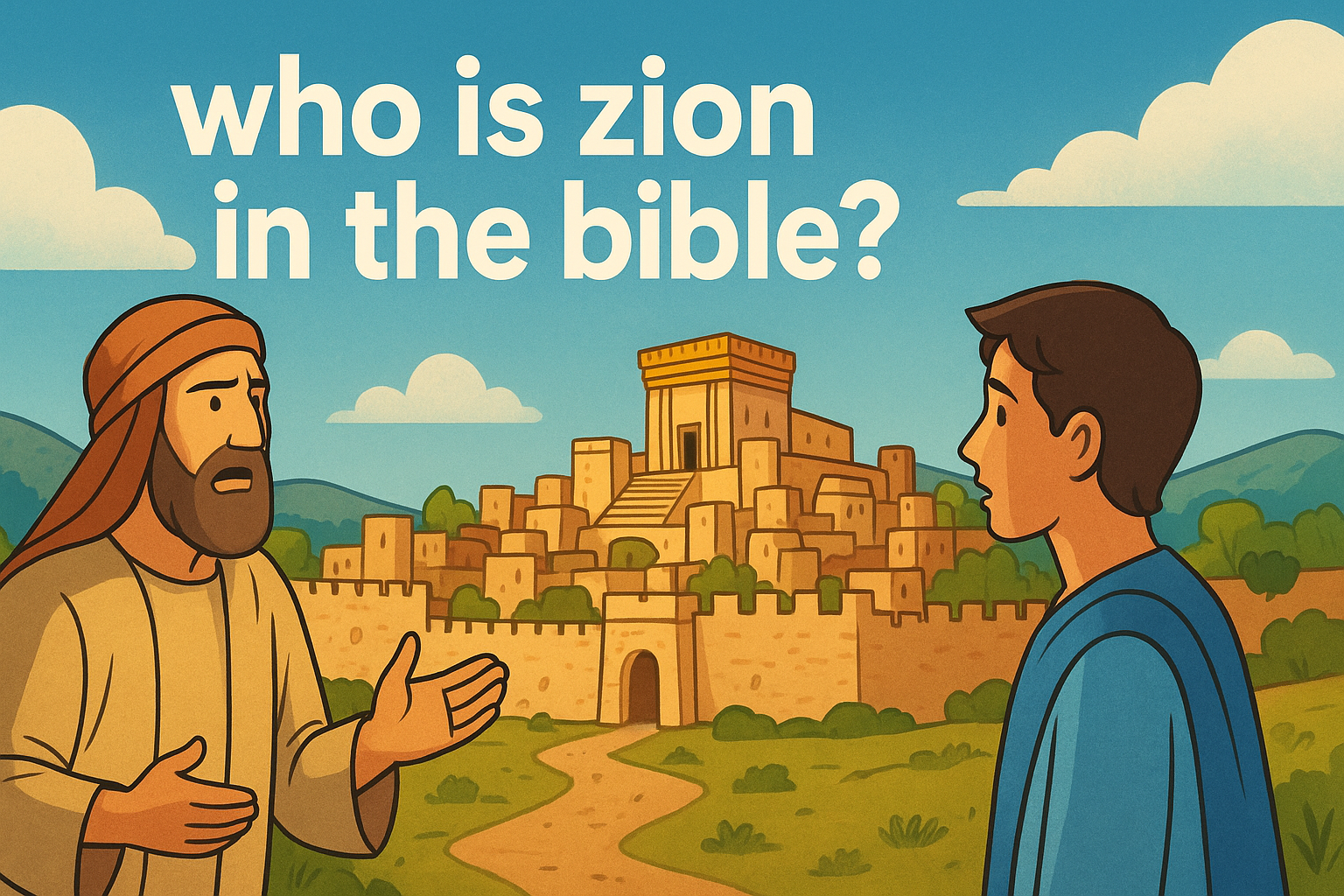
Zion in the Bible is a multifaceted term that primarily refers to a specific geographic location, a symbol of God’s presence, and a representation of the ideal community of believers. In its earliest context, Zion is identified as a hill in Jerusalem, which became the site of the ancient city of David. Over time, the term evolved to encompass broader spiritual meanings, closely tied to the themes of salvation, hope, and divine promise.
Throughout Scripture, Zion is often depicted as a place of refuge, worship, and divine favor. It serves as a central motif in the writings of the prophets, the Psalms, and the New Testament, symbolizing God’s relationship with His people and the future fulfillment of His promises.
Zion as a Geographic Location
The earliest references to Zion can be found in the historical books of the Old Testament. Originally, Zion referred to a specific hill in Jerusalem, which was captured by King David and became known as the City of David (2 Samuel 5:7). This hill was not just a military stronghold but also the site where the Ark of the Covenant was brought, signifying God’s presence among His people.
In time, the term Zion expanded to represent the entire city of Jerusalem. Psalm 76:1 states, “God is known in Judah; his name is great in Israel. His tent is in Salem, his dwelling place in Zion.” Here, Zion is synonymous with the city that became the religious and political center of Israel.
The Temple and Zion
The significance of Zion grew even further with the construction of the Temple by Solomon. This structure was built on Mount Moriah, which is often associated with Zion. The Temple represented the dwelling place of God on earth and was considered the heart of Jewish worship. As such, Zion became a symbol of divine presence and a focal point for the Jewish people, as seen in Psalms like Psalm 132:13-14, which emphasizes God’s choice of Zion as His dwelling place.
Zion in Prophetic Literature
The prophets of the Old Testament frequently used Zion as a symbol of hope and restoration for the people of Israel. After the Babylonian exile, Zion became a powerful metaphor for the future restoration of the Jewish people and their relationship with God. In Isaiah 40:9, the prophet calls out, “O Zion, messenger of good news, shout from the mountaintops! Shout it louder, O Jerusalem. Shout, and do not be afraid. Tell the towns of Judah, ‘Your God is coming!’” This passage illustrates how Zion represents not just a physical location but also the promise of redemption and the coming of the Messiah.
Moreover, in the book of Micah, Zion is depicted as the place from which the law of the Lord will go forth (Micah 4:2). This reinforces the idea that Zion is both a literal city and a spiritual ideal where God’s will is established and honored.
Zion in the New Testament
The New Testament continues to reference Zion, but with an expanded understanding. In Hebrews 12:22, the author describes the heavenly Jerusalem as “Mount Zion,” indicating a shift from the physical city to a spiritual reality that encompasses all believers. This passage illustrates that Zion transcends its original geographic meaning, pointing to a heavenly community where God’s people gather in worship.
Additionally, in Revelation 14:1, John describes a vision of the Lamb standing on Mount Zion with 144,000 redeemed people. This imagery emphasizes the ultimate fulfillment of God’s promises to His people, where Zion represents the culmination of salvation history and the eternal dwelling place of God with His people.
Zion as a Symbol of Believers
In Christian thought, Zion has also come to represent the Church and the community of believers. This understanding aligns with the New Testament’s teaching that all who follow Christ are part of a spiritual family, often referred to as the “New Zion.” The Apostle Peter, in 1 Peter 2:9, describes believers as “a chosen people, a royal priesthood, a holy nation, God’s special possession,” echoing the themes of identity and belonging associated with Zion.
This perspective invites believers to view themselves as part of a living, spiritual Zion, where they are called to reflect God’s glory and share the message of hope and salvation with the world.
Theological Implications of Zion
The concept of Zion carries significant theological implications. It serves as a reminder of God’s faithfulness to His promises, His desire for intimacy with His people, and the hope of future restoration. The imagery of Zion encourages believers to seek a deeper relationship with God and to live in accordance with His will.
Furthermore, Zion symbolizes the idea of sanctuary and refuge. In times of distress, the imagery of Zion can provide comfort and assurance, reminding the faithful that God is their protector and source of strength. As seen in Psalm 125:1, “Those who trust in the Lord are like Mount Zion, which cannot be shaken but endures forever.” This verse encapsulates the stability and security that comes from being rooted in faith.
In summary, Zion is a rich and complex symbol in the Bible that encompasses a physical location, a spiritual ideal, and a community of believers. Understanding Zion’s significance deepens one’s appreciation for the narrative of God’s relationship with His people and the ongoing fulfillment of His promises throughout history.
The Role of Zion in Worship and Liturgy
Zion also holds a central place in the worship practices of the Jewish people. The Psalms, many of which are songs of ascent, celebrate Zion as the dwelling place of God and the site of worship. For example, Psalm 87:2 states, “The Lord loves the gates of Zion more than all the dwellings of Jacob.” This highlights not only the physical beauty of Zion but also its spiritual significance as a place where God’s presence is especially manifest.
Jewish liturgy often includes references to Zion, particularly during significant festivals and rituals. The longing for Zion is evident in prayers such as the “Next Year in Jerusalem,” which expresses a hope for return and restoration. This desire emphasizes the ongoing importance of Zion as a spiritual homeland, even for those living in diaspora.
Zion in Christian Hymnody
In Christian tradition, Zion has inspired countless hymns and spiritual songs. The imagery of Zion is used to convey themes of hope, victory, and the ultimate gathering of believers in God’s presence. Hymns often depict Zion as a place of joy and celebration, reflecting the belief that all believers are called to participate in the heavenly Zion. Such songs encourage communal worship and foster a sense of belonging among congregants.
Zion and Eschatology
The eschatological significance of Zion is profound, particularly in the context of Christian theology. Many theologians interpret Zion as a symbol of the ultimate fulfillment of God’s kingdom. In this view, Zion represents the new heaven and new earth described in Revelation, where God’s presence is fully realized among His people.
Prophetic texts often speak of a future Zion that will be established in peace and righteousness. For instance, Isaiah 2:3 mentions that many nations will come to the mountain of the Lord, teaching that Zion will be a place of instruction and divine wisdom. This vision of a restored Zion not only looks forward to a future reality but also encourages believers to live in anticipation of God’s promises being fulfilled.
The Church as a Reflection of Zion
In the New Testament, the concept of Zion takes on a more expansive meaning, where the Church is seen as the manifestation of Zion on earth. This understanding is rooted in the belief that Christ, as the cornerstone, establishes a new covenant community that embodies the principles of Zion. Ephesians 2:19-22 describes believers as being built together into a holy temple, signifying that the Church is a living representation of Zion, where God’s presence dwells among His people.
Contemporary Interpretations of Zion
Modern interpretations of Zion vary widely, reflecting diverse theological perspectives. Some view Zion primarily as a physical location tied to the modern state of Israel, while others emphasize its spiritual significance as a symbol of the Church and the hope of redemption for all believers. This dual interpretation leads to discussions about the relationship between the Jewish people and the Christian faith, as well as the implications for eschatology and the fulfillment of biblical prophecy.
Contemporary Christian movements often draw inspiration from the imagery of Zion to advocate for justice, peace, and reconciliation. The call to build a spiritual Zion is seen as an invitation for believers to actively participate in God’s mission to restore and redeem the world.
Questions for Reflection
Understanding Zion invites deeper reflection on several important questions:
- How does the concept of Zion shape your understanding of God’s presence in your life?
- In what ways can the imagery of Zion inspire you to engage in worship and community life?
- How do you interpret the relationship between the historical Zion and the spiritual Zion represented in the Church?
- What role does Zion play in your understanding of hope and restoration in your personal faith journey?
Conclusion: The Enduring Legacy of Zion
Zion remains a powerful symbol throughout the Bible and Christian tradition, representing both a physical location and a spiritual ideal. It serves as a reminder of God’s faithfulness, the importance of community, and the hope of ultimate restoration. As believers reflect on the meaning of Zion, they are encouraged to cultivate a deeper relationship with God and to embody the values of love, justice, and peace that Zion represents.
For further exploration of the significance of Zion and its implications for faith, consider reading about the relationship between Zion and the themes of hope in the Bible in this article on Zion’s Role in Biblical Hope and discover more about the spiritual community of believers in The Church as New Zion.