
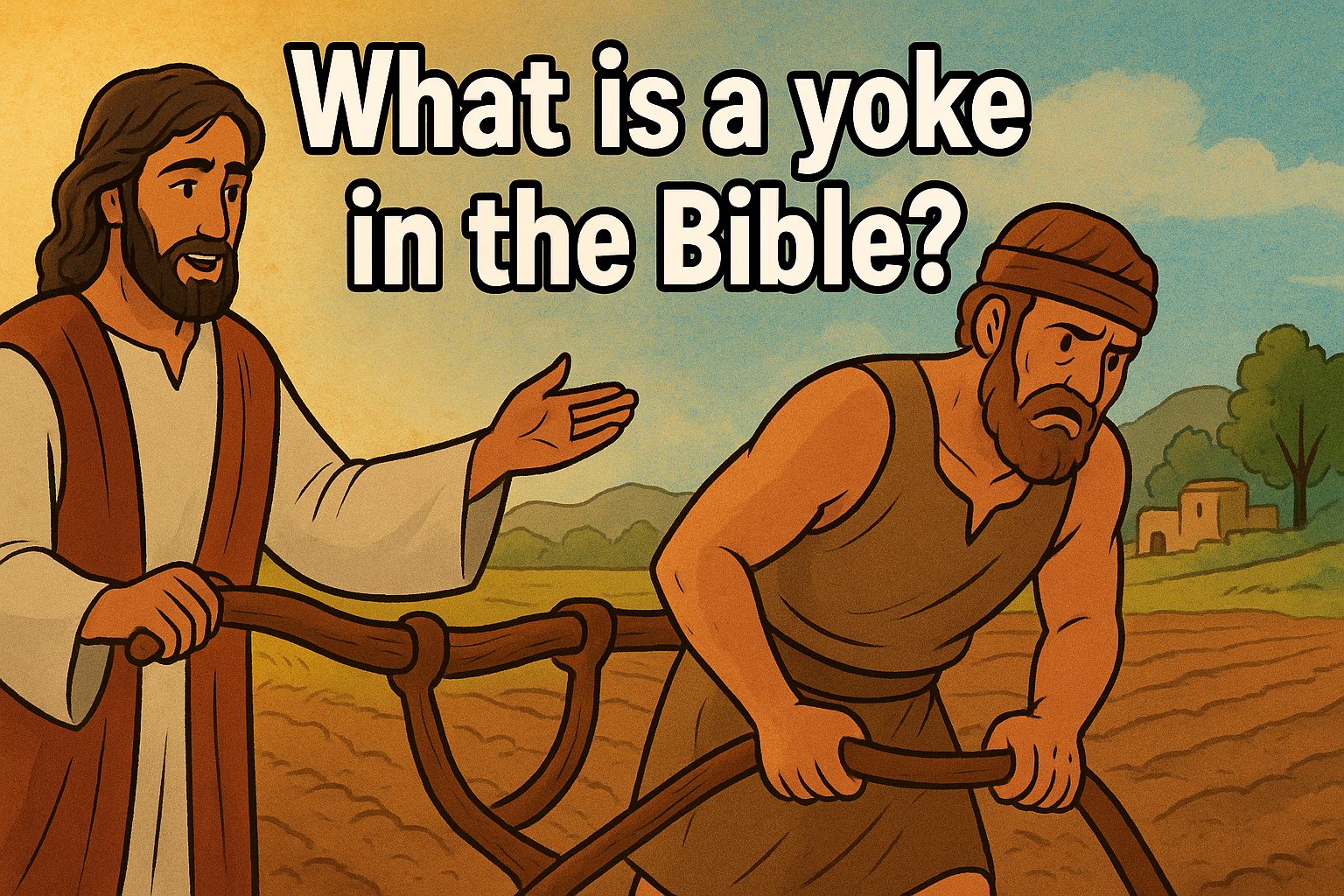
A yoke in the Bible is a wooden beam that connects two animals, usually oxen, allowing them to work together to pull a plow or cart. This concept is often used metaphorically in Scripture to represent burdens, obligations, or the spiritual authority that one carries. In a biblical context, a yoke signifies both the physical and spiritual aspects of life, illustrating the relationship between God and His people, as well as the dynamics of human relationships.
Throughout the Bible, the term “yoke” appears in various passages, conveying different meanings and implications. Understanding what a yoke represents can deepen our insight into biblical teachings about service, obedience, and spiritual partnership.
The Physical Yoke in Biblical Times
In ancient agricultural societies, a yoke was essential for farming. It allowed two animals to work in tandem, increasing efficiency and productivity. The yoke was typically made of wood and designed to fit over the necks of the animals, distributing the weight of the load evenly. This physical aspect of the yoke serves as a powerful metaphor for shared burdens and teamwork.
Yokes and Agriculture
Farmers in biblical times relied on yokes to harness the strength of their livestock. The use of a yoke allowed them to cultivate their land effectively, which was crucial for their survival. This practical application of a yoke illustrates how God often uses everyday objects and experiences to convey spiritual truths.
Symbolism of the Yoke in Scripture
Beyond its physical use, the yoke carries significant symbolic weight in biblical literature. It represents various forms of relationships, burdens, and commitments. Here are some key ways the yoke is depicted in Scripture:
1. A Yoke of Obedience
In Deuteronomy 28:48, God warns the Israelites that if they disobey Him, they will serve their enemies in hunger and thirst, and they will bear a yoke of iron. This imagery suggests that disobedience leads to oppression and hardship. Conversely, a yoke can symbolize the obedience and commitment that God desires from His people.
2. A Yoke of Partnership with God
In Matthew 11:28-30, Jesus invites those who are weary to come to Him for rest, stating, “For my yoke is easy, and my burden is light.” This passage highlights the idea that when we partner with Christ, He helps carry our burdens, making our spiritual journey more manageable. The yoke, in this sense, symbolizes a shared responsibility where believers are called to follow Jesus and learn from Him.
3. A Yoke of Sin
In 2 Corinthians 6:14, Paul warns against being unequally yoked with unbelievers. This metaphor indicates that forming close partnerships or relationships with those who do not share the same faith can lead to spiritual conflict and compromise. The yoke here symbolizes the potential danger of aligning oneself with those who do not share the same values and beliefs.
The Yoke in the Prophets
The imagery of the yoke also appears in the writings of the prophets. For instance, in Jeremiah 27:2, God instructs the prophet to make bonds and yokes and send them to the kings of the surrounding nations. This act symbolizes the authority and control that God has over nations, illustrating how He can wield power and direct the course of history.
Yoke as a Symbol of Judgment
In the context of judgment, the yoke represents the burdens that come from disobedience. In Lamentations 3:27, it is stated, “It is good for a man to bear the yoke while he is young.” This verse suggests that enduring hardships can lead to growth and maturity, reinforcing the idea that the yoke symbolizes both discipline and the opportunity for spiritual development.
Understanding the Yoke Today
For modern believers, the concept of a yoke can still resonate deeply. It serves as a reminder of the importance of being connected to God and to others in meaningful ways. The yoke can symbolize the commitments we make in our spiritual lives, including our relationship with Jesus, our responsibilities to our community, and our moral obligations.
Living Under the Yoke of Christ
When Jesus invites us to take on His yoke, He is essentially asking us to enter into a relationship with Him that is characterized by trust, guidance, and shared purpose. This relationship is not burdensome but liberating, as we learn to rely on His strength and wisdom.
Choosing Our Yokes Wisely
As believers, it is essential to choose our yokes wisely. Whether in relationships, work, or commitments, we must ensure that they align with our faith and values. By being mindful of the yokes we take on, we can avoid unnecessary burdens and instead embrace the lightness that comes from walking in obedience to God.
The Spiritual Implications of Yokes
In addition to the physical and metaphorical meanings of yokes, the spiritual implications are profound. A yoke represents the commitments and responsibilities we bear in our relationship with God. Understanding this spiritual dimension can help believers navigate their faith journeys more effectively.
The Yoke of Discipleship
Discipleship involves a commitment to follow Jesus and learn from His teachings. The yoke signifies this commitment, where believers willingly submit to Christ’s authority. This submission is not about losing freedom; rather, it is about gaining a deeper understanding of God’s will and purpose. As we allow Jesus to guide us, we find ourselves growing in faith and maturity.
The Yoke of Community
Believers are often called to bear one another’s burdens (Galatians 6:2). This concept resonates with the idea of being yoked together in community. The yoke symbolizes the shared responsibilities and support that come from being part of the body of Christ. In this way, the yoke becomes a reminder that we are not meant to journey alone; we are called to help one another, encouraging and uplifting each other in our spiritual walks.
Yoke as a Metaphor for Freedom
Ironically, while a yoke signifies a form of submission, it also represents freedom. When we take on the yoke of Christ, we are liberated from the burdens of sin and self-reliance. Jesus offers a different kind of yoke—one that is easy and light. This freedom allows believers to fulfill their God-given purpose without the weight of guilt and shame. Living under Christ’s yoke means embracing His grace and allowing it to transform our lives.
Understanding the Dual Nature of Yokes
The dual nature of yokes—both as a burden and a source of freedom—invites believers to reflect on what they are carrying in their lives. Are we yoked to burdensome expectations, unhealthy relationships, or sinful habits? Or are we embracing the light yoke that Jesus offers? This introspection can lead to a more profound understanding of how to navigate life’s challenges with faith and grace.
Practical Applications of the Yoke
Applying the concept of the yoke in our daily lives can lead to significant spiritual growth. Here are a few practical ways to embrace the idea of yokes in our faith journey:
- Regular Self-Examination: Take time to evaluate the yokes you are carrying. Are they aligned with your faith? Are they uplifting or burdensome? This self-awareness can lead to necessary changes.
- Seek God’s Guidance: In prayer, ask God to reveal the yokes that may be hindering your spiritual growth. Trust that He will guide you to lighter burdens.
- Engage in Community: Find ways to connect with others in your faith community. Sharing burdens and responsibilities can lighten the load and deepen relationships.
- Embrace Discipleship: Commit to learning more about Jesus and His teachings. This commitment can transform how you view your responsibilities and burdens.
Questions for Reflection
As you consider the meaning of yokes in your life, here are some questions to ponder:
- What yokes are you currently carrying, and how do they affect your relationship with God?
- Are there commitments in your life that need reevaluation in light of your faith?
- How can you better support others who may be struggling under heavy burdens?
- What steps can you take to ensure you are yoked to Christ and His purposes?
Conclusion: Embracing the Yoke of Christ
The concept of a yoke in the Bible transcends its physical meaning, offering rich spiritual insights into our relationship with God and others. By embracing the yoke of Christ, believers can experience freedom from burdens and the joy of partnership in faith. This journey involves self-examination, commitment to discipleship, and active engagement in community. Ultimately, understanding the yoke can help us navigate our spiritual lives with clarity, purpose, and grace.
For further exploration of how our faith impacts our everyday lives, you might find these articles helpful: what it means to be a disciple of Christ and how to build strong relationships in faith.