
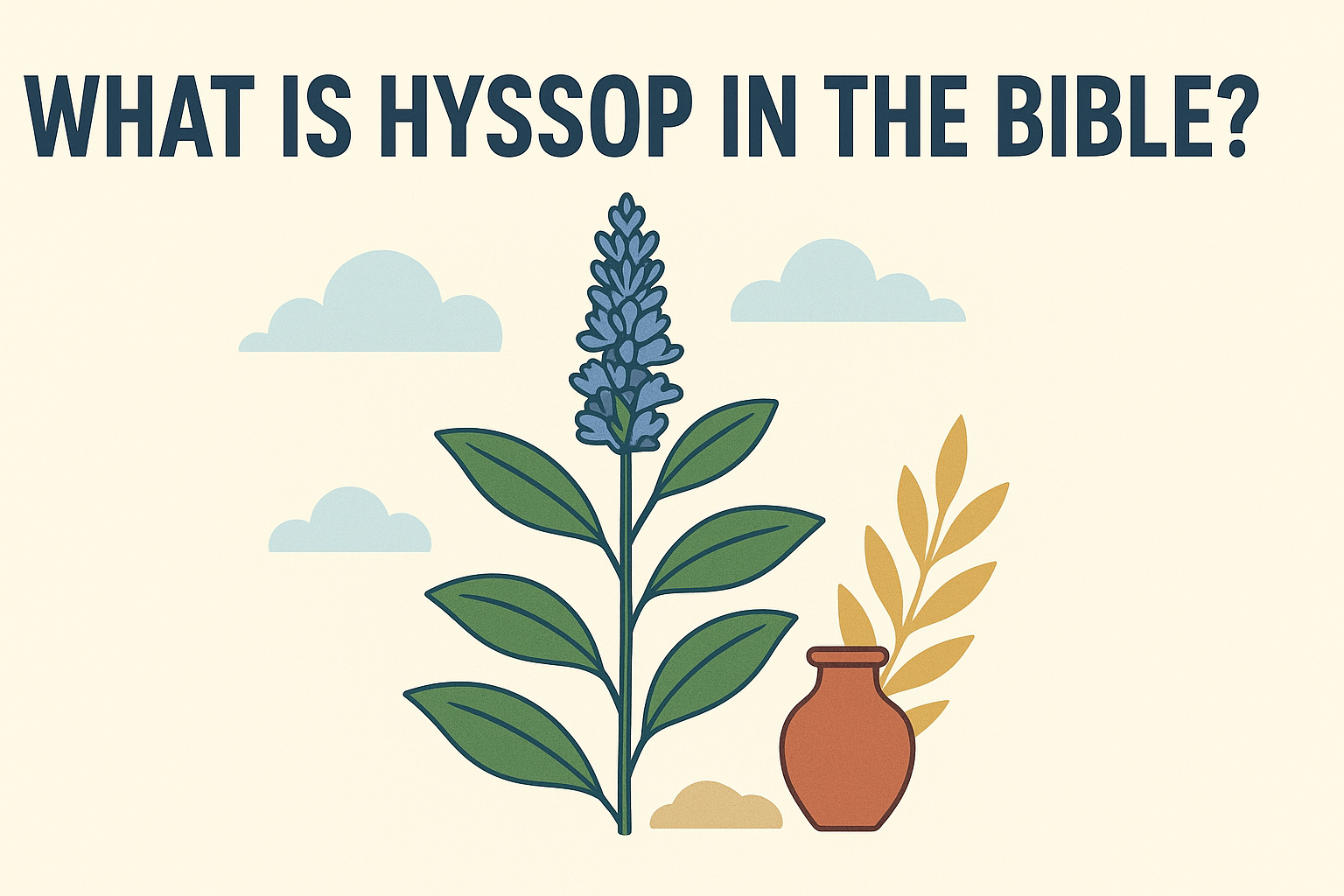
Hyssop is a fragrant herb mentioned several times in the Bible, often associated with purification and sacrifice. It is a small plant, believed to be part of the mint family, and has been used throughout history for its medicinal and cleansing properties. In biblical texts, hyssop symbolizes spiritual cleansing and redemption, making it a significant element in various rituals.
The term “hyssop” appears in both the Old and New Testaments, where it is linked to important events and practices that highlight its spiritual significance. Understanding hyssop helps us appreciate its role in biblical narratives and its symbolic meaning in the context of faith and purification.
Hyssop in the Old Testament
In the Old Testament, hyssop is primarily associated with rituals of cleansing and purification. One of the most notable passages is in Exodus 12, which describes the Passover. The Israelites were instructed to use hyssop to apply the blood of a lamb to their doorposts, ensuring that the angel of death would pass over their homes during the final plague in Egypt. This act of faith and obedience symbolized protection and deliverance. The use of hyssop here illustrates the herb’s connection to salvation and God’s mercy.
Levitical Purification
Hyssop is also mentioned in Leviticus, particularly in the context of purification rituals. For example, in Leviticus 14, hyssop is used in the cleansing of a person who has been healed of leprosy. The priest would take some hyssop, along with cedarwood and scarlet yarn, to sprinkle the person being cleansed. This act symbolized the removal of impurity and the restoration of the individual to the community.
Additionally, in Numbers 19, hyssop is used in the purification of those who have come into contact with a dead body. The ashes of a red heifer were mixed with water, and hyssop was used to sprinkle the water on those who needed cleansing. This highlights hyssop’s role in maintaining ritual purity and its significance in the Israelite community.
Hyssop in the Psalms
Hyssop is also referenced in the Psalms, particularly in Psalm 51, where David pleads for forgiveness after his sin with Bathsheba. In verse 7, he asks God to “purify me with hyssop, and I will be clean; wash me, and I will be whiter than snow.” This powerful imagery emphasizes the deep desire for spiritual cleansing and restoration. David’s use of hyssop in this context reflects the belief that true forgiveness and purity come from God alone.
“Purify me with hyssop, and I will be clean; wash me, and I will be whiter than snow.” (Psalm 51:7, NLT)
In this Psalm, hyssop serves as a metaphor for the cleansing power of God, reinforcing the idea that spiritual renewal is essential for a right relationship with Him. David’s plea connects the physical act of purification with a deeper spiritual truth, illustrating the significance of hyssop in the context of repentance and restoration.
Hyssop in the New Testament
Hyssop continues to hold significance in the New Testament, particularly in relation to the crucifixion of Jesus. In John 19:29, when Jesus is on the cross, a sponge soaked in vinegar is lifted to His lips using a branch of hyssop. This moment is filled with symbolic meaning, connecting Jesus’ suffering with the themes of sacrifice and purification that hyssop represents throughout the Bible.
The use of hyssop in this context may also serve as a reminder of the Old Testament rituals and their fulfillment in Christ. Just as hyssop was used for physical cleansing and purification, Jesus’ sacrifice on the cross offers spiritual cleansing to all who believe in Him. This connection underscores the continuity between the Old and New Testaments and the significance of Jesus as the ultimate sacrifice for sin.
The Symbolic Meaning of Hyssop
Hyssop’s recurring presence in the Bible highlights its symbolic meaning as a tool for cleansing and purification. Its use in rituals signifies the importance of being made clean before God, both physically and spiritually. The act of using hyssop in various contexts serves as a reminder of the need for redemption and the grace that God offers to His people.
- Purification: Hyssop is often associated with the cleansing of sin and impurity.
- Redemption: Its use in rituals reflects the hope of salvation and renewal.
- Obedience: The application of hyssop in the Passover illustrates the importance of following God’s commands in faith.
Overall, hyssop serves as a powerful symbol in biblical texts, representing the profound themes of faith, forgiveness, and the transformative power of God. Its mention in key passages invites believers to reflect on their own journey of purification and the grace that is available through Christ.
Hyssop in Early Christian Writings
The significance of hyssop extends beyond the biblical texts into early Christian writings and traditions. Early Church Fathers often referenced hyssop when discussing themes of purification and the sacrificial system. For instance, the symbolism of hyssop in relation to Christ’s sacrifice became a focal point in understanding the new covenant established through His blood.
Many early Christians viewed the hyssop plant as a symbol of humility and lowliness. In their interpretation, just as hyssop was a small, seemingly insignificant herb, Christ’s sacrificial death appeared humble and lowly, yet it carried the weight of the world’s sin. This connection emphasizes that God values humility and that great things can emerge from what seems insignificant.
Hyssop and Spiritual Cleansing
The spiritual implications of hyssop are profound. The repeated association of hyssop with cleansing rituals invites believers to contemplate their need for spiritual renewal. In a modern context, the act of asking for purification can be a daily practice for Christians, serving as a reminder of God’s ongoing grace and mercy.
For instance, a believer might reflect on the use of hyssop in Psalm 51 and consider their own sins and the need for repentance. In prayer, they might ask God to cleanse them from their transgressions, drawing on the imagery of hyssop to illustrate their desire for spiritual renewal. This practice can cultivate a deeper relationship with God, acknowledging the importance of confession and the hope of restoration.
Hyssop in Modern Worship
In contemporary Christian worship, the symbolism of hyssop is sometimes incorporated into liturgies and hymns. Worship leaders may draw upon the themes of purification and redemption that hyssop represents, encouraging congregants to embrace the idea of being cleansed by the blood of Christ. This connection can foster a richer understanding of the sacrifice Jesus made and the cleansing power it holds for believers today.
Additionally, hyssop may be referenced in sermons that focus on themes of repentance, forgiveness, and the need for ongoing spiritual growth. By linking the ancient practices of purification with modern faith experiences, pastors can help their congregations grasp the enduring relevance of hyssop in their spiritual journeys.
Questions for Reflection
As one contemplates the significance of hyssop in the Bible, it is beneficial to ask reflective questions that can deepen understanding and application. Here are some thought-provoking questions:
- How can I incorporate the symbolism of hyssop into my personal prayers for cleansing and renewal?
- What does the use of hyssop in the Passover teach me about obedience and faith in God’s promises?
- In what ways does the imagery of hyssop as a cleansing agent resonate with my understanding of Jesus’ sacrifice?
- How can I share the message of purification and redemption represented by hyssop with others in my community?
- What role does humility play in my faith journey, and how can I learn from the symbolism of hyssop?
Engaging with these questions can lead to a deeper appreciation of the biblical narrative and its implications for personal faith and community life.
Conclusion: The Lasting Legacy of Hyssop
Hyssop’s presence in the Bible serves as more than just a botanical reference; it is a profound symbol of purification, redemption, and spiritual renewal. From its use in Old Testament rituals to its connection with Jesus’ sacrifice in the New Testament, hyssop embodies the themes of faith and grace that are central to the Christian experience.
As believers reflect on the significance of hyssop, they are reminded of the importance of seeking spiritual cleansing and embracing the transformative power of God’s love. The legacy of hyssop continues to inspire individuals to pursue a life marked by faith, obedience, and the ongoing journey of purification through Christ.