
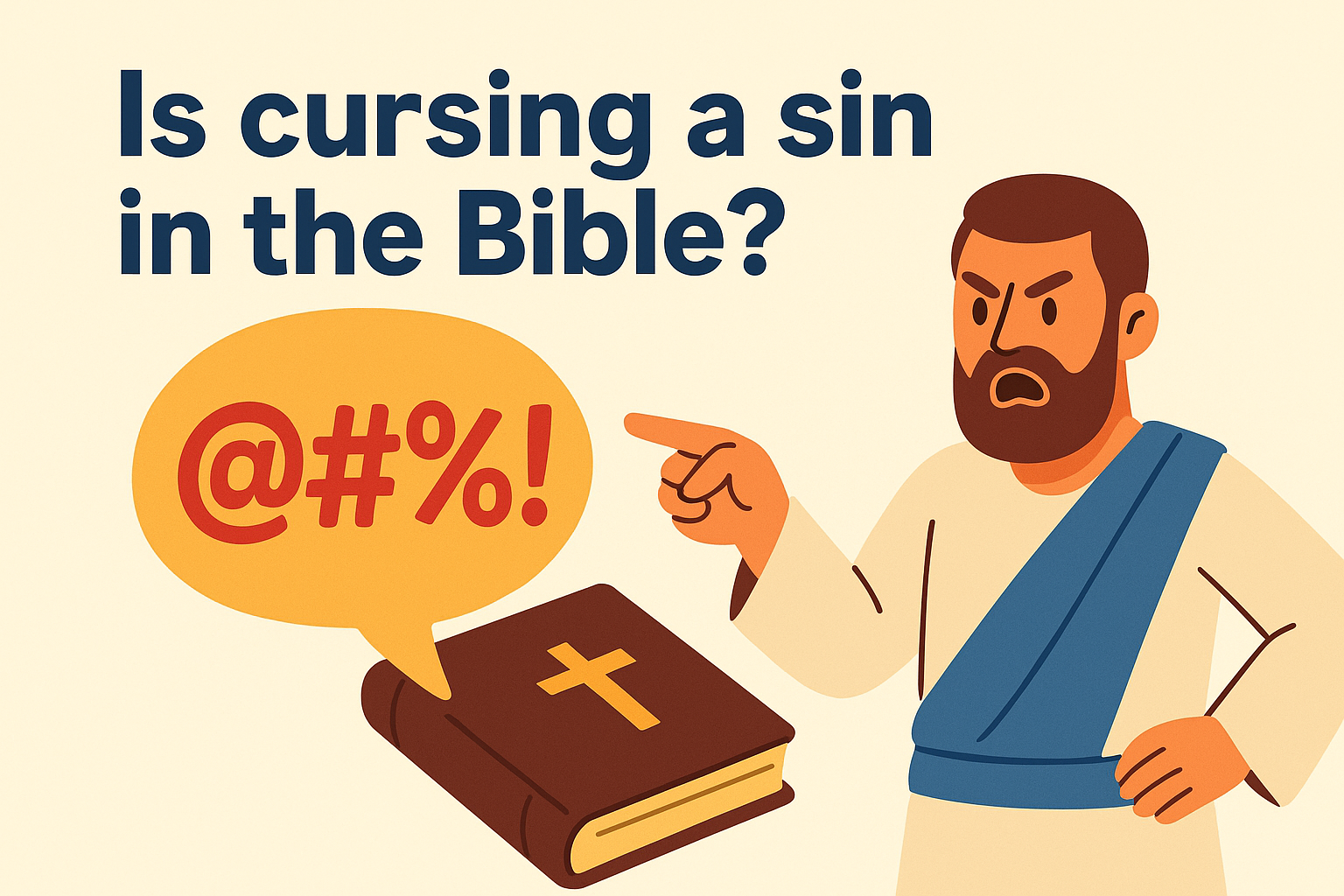
Yes, cursing can be considered a sin in the Bible. The Scriptures emphasize the importance of how we use our words and the impact they have on ourselves and others. While the Bible does not provide a comprehensive list of specific curses, it does address the broader implications of harmful speech and the attitudes behind it.
Throughout the Bible, we see teachings that encourage believers to speak in a way that reflects their faith and glorifies God. Cursing, which often involves using foul language or speaking in a derogatory manner, generally contradicts these biblical principles.
Understanding Cursing in Biblical Context
To fully understand whether cursing is a sin, we need to look at the biblical context regarding speech and language. The Bible contains numerous verses that highlight the significance of our words. For instance, James 3:9-10 states, “Sometimes it praises our Lord and Father, and sometimes it curses those who have been made in the image of God. And so blessing and cursing come
The Power of Words in the Bible
The Bible places great emphasis on the power of words. Proverbs 18:21 reminds us that “the tongue can bring death or life.” This verse highlights the dual potential of speech to either uplift or harm. When considering cursing, it is essential to recognize that words can lead to destruction, both for the speaker and the one being spoken to. Cursing can foster negativity, anger, and division, which contradicts the biblical call to love and unity.
In Ephesians 4:29, Paul instructs believers to use their words for edification: “Do not let any unwholesome talk come out of your mouths, but only what is helpful for building others up according to their needs.” This directive suggests that cursing, which typically does not build others up, is not aligned with the teachings of Christ. Instead, our speech should reflect kindness and encouragement, fostering a community of love and support.
Heart Attitude Behind Cursing
Another critical aspect of cursing is the heart attitude behind it. Jesus taught that what comes out of the mouth is a reflection of what is in the heart (Matthew 15:18). If a person uses curse words, it may indicate underlying anger, frustration, or contempt. These feelings can stem from deeper issues that need to be addressed. Thus, cursing can be symptomatic of a heart that is not aligned with God’s will.
Moreover, the Bible encourages self-examination. In 2 Corinthians 13:5, Paul urges believers to “examine yourselves to see whether you are in the faith.” This principle can also apply to how we communicate. If cursing is a regular part of our speech, it may be worth reflecting on what that reveals about our relationship with God and others. Are we harboring bitterness or unresolved conflicts that lead to such expressions?
Different Forms of Cursing
Cursing can take various forms, and understanding these can help clarify its implications in a biblical context. For instance, there is a distinction between using profanity, which may simply be a cultural or social issue, and speaking in a way that curses or wishes harm upon others. The latter is more serious and can be seen as a direct violation of the command to love our neighbors (Matthew 22:39).
Additionally, cursing can include not just explicit language but also insults, slander, and gossip. The Bible warns against these behaviors, as they can deeply wound others and create division within the body of Christ. Colossians 3:8 instructs believers to “get rid of all such things—anger, rage, malice, slander, and filthy language from your lips.” This passage suggests that any form of harmful speech, including cursing, is not fitting for believers.
Forgiveness and Redemption
While the Bible addresses the seriousness of cursing, it also offers hope through forgiveness and redemption. Ephesians 4:32 reminds us to be kind and compassionate to one another, forgiving each other, just as in Christ God forgave us. If someone has struggled with cursing, it is essential to remember that God’s grace is sufficient for all shortcomings. Repentance and a desire to change can lead to growth and transformation.
Believers are encouraged to seek the Holy Spirit’s help in transforming their speech. Galatians 5:22-23 speaks about the fruit of the Spirit, which includes qualities such as gentleness and self-control. By cultivating these attributes, individuals can develop a speech that reflects their faith and honors God.
Questions for Reflection
As we consider the implications of cursing in light of biblical teachings, it may be helpful to ask ourselves some reflective questions:
- What do my words reveal about my heart and my relationship with God?
- How can I improve my speech to reflect love and kindness towards others?
- Are there unresolved feelings or conflicts that lead me to express myself negatively?
- How can I rely on the Holy Spirit to help me in my communication with others?
- In what ways can I encourage others to speak positively and build each other up?
Conclusion: The Call to Uplift
In conclusion, cursing can be viewed as a sin in the biblical context, primarily due to the implications it has for our relationships and our witness as believers. The Bible teaches that our words carry weight and that we are called to use them to uplift and encourage rather than harm. Understanding the heart attitude behind our speech, recognizing different forms of cursing, and seeking forgiveness and transformation are crucial steps in aligning our communication with God’s will.
Ultimately, the challenge for believers is to commit to speaking in a way that reflects the love of Christ, fosters unity, and promotes peace. By doing so, we not only honor God but also create a community characterized by grace and compassion.