
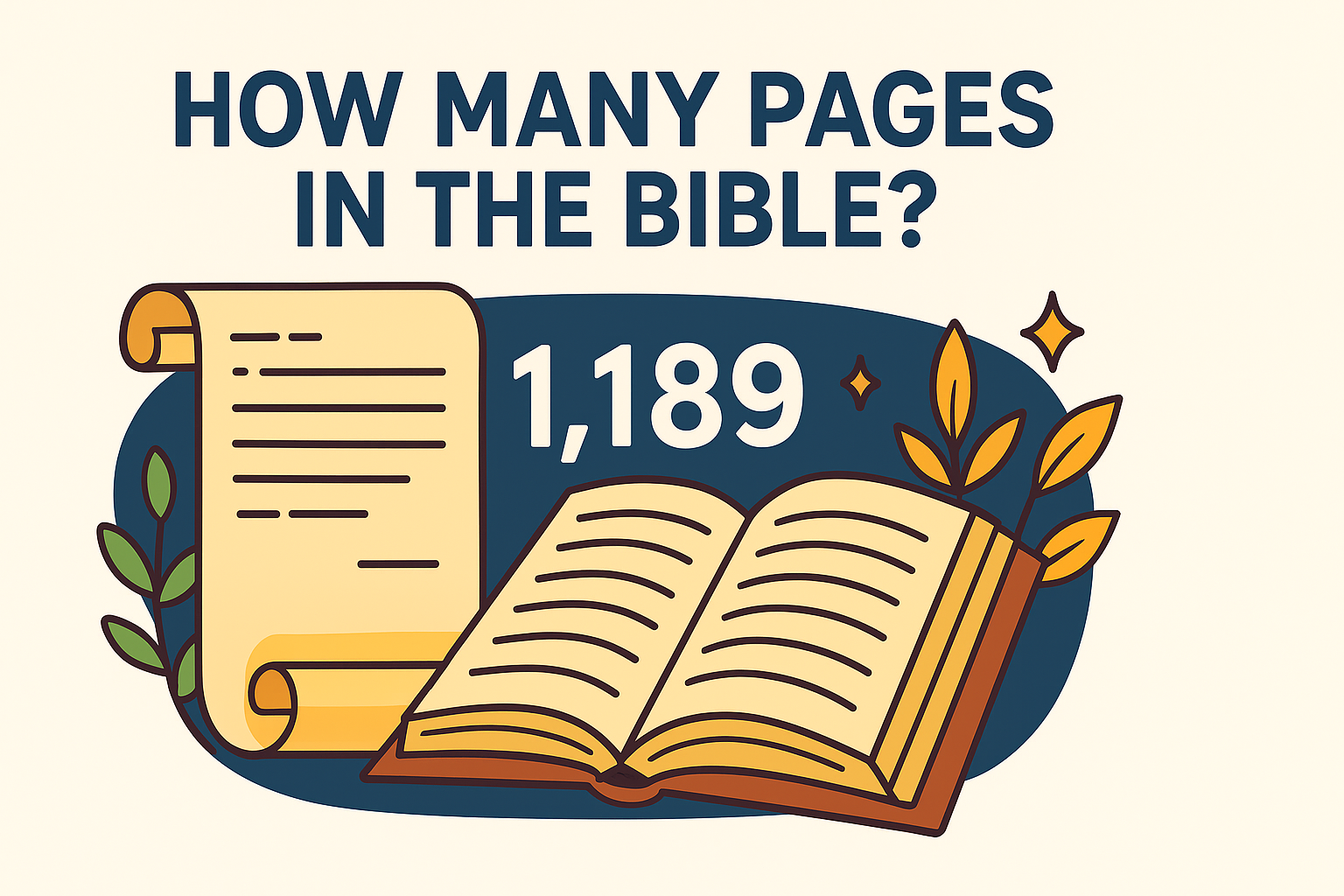
The Bible, a sacred text for Christians, varies in length depending on the translation and edition. On average, a typical printed Bible contains around 1,200 to 1,500 pages. This number can differ significantly based on factors such as font size, page dimensions, and additional materials included, such as maps or commentary.
For instance, the King James Version (KJV) and the New Living Translation (NLT) may have different page counts due to formatting. However, the content remains consistent, comprising the Old Testament and the New Testament, with a total of 66 books in most Protestant Bibles.
Understanding the Structure of the Bible
The Bible is divided into two main sections: the Old Testament and the New Testament. The Old Testament contains 39 books, while the New Testament has 27 books. Each book varies in length, contributing to the overall page count.
The Old Testament
The Old Testament is foundational to both Judaism and Christianity. It includes various literary forms such as history, poetry, prophecy, and law. Some of the longest books, like Psalms and Isaiah, significantly increase the total page count.
- Genesis: The first book, detailing creation and the early history of humanity.
- Exodus: Chronicles the Israelites’ liberation from Egypt and the giving of the Law.
- Psalms: A collection of songs and prayers, rich in poetic language.
- Isaiah: A prophetic book addressing both judgment and hope for Israel.
These books, along with others like Deuteronomy and Exodus, contribute to the substantial length of the Old Testament, often exceeding 800 pages in many editions.
The New Testament
The New Testament focuses on the life and teachings of Jesus Christ and the early Christian church. It contains the four Gospels, the Acts of the Apostles, various letters (Epistles), and the book of Revelation.
- The Gospels: Matthew, Mark, Luke, and John narrate the life of Jesus, each with unique perspectives.
- Acts: Describes the early church’s growth and the spread of the Gospel.
- Epistles: Letters from apostles like Paul, addressing various issues in early Christian communities.
- Revelation: A prophetic book concerning the end times and the return of Christ.
The New Testament is generally shorter than the Old Testament, often totaling around 300 to 400 pages. The combination of these two sections results in the total page count typically found in most Bibles.
Factors Influencing Page Count
Several factors can influence the number of pages in a Bible, including:
Translation
Different translations can affect the length of the text. For example, the NLT tends to use more contemporary language and shorter sentences, which may result in fewer pages compared to the KJV, which has a more traditional and sometimes verbose style.
Font Size and Layout
The font size used in a Bible can significantly impact the number of pages. Larger fonts are easier to read but result in more pages. Conversely, smaller fonts condense the text but may strain the reader’s eyes.
Additional Materials
Many Bibles include supplementary materials such as:
- Maps and charts that illustrate biblical geography.
- Commentaries that provide insights and explanations of the text.
- Devotional guides that offer reflections on scripture.
These additions can increase the overall page count, leading to editions that may exceed 1,500 pages.
Different Editions of the Bible
There are numerous editions of the Bible, each designed for different audiences and purposes. Some popular editions include:
Study Bibles
Study Bibles are equipped with extensive notes, cross-references, and commentary to aid understanding. These editions often have a higher page count due to the wealth of additional information provided.
Compact and Pocket Editions
Compact Bibles are designed for portability. They typically use smaller font sizes and thinner paper, resulting in a reduced page count. While these Bibles are convenient for travel, they may sacrifice some readability.
Children’s Bibles
Children’s versions of the Bible often contain illustrations and simplified language. These editions can vary greatly in length, often being shorter to cater to younger audiences.
In summary, the page count of the Bible can range widely based on translation, layout, and additional features. Typically, you can expect a page count between 1,200 and 1,500 pages for most standard editions. Understanding these factors can provide clarity on the Bible’s size and structure, enhancing your study and appreciation of this significant text.
Exploring the Content of the Bible
Beyond the number of pages, it is essential to understand the rich content and themes that the Bible presents. The Bible is not merely a collection of stories; it encompasses a wide range of literary genres, theological insights, and historical contexts that shape the faith of millions.
Thematic Elements
Some prominent themes woven throughout the Bible include:
- Creation and Fall: The narrative of creation in Genesis sets the stage for the relationship between God and humanity, exploring themes of sin and redemption.
- Covenant: The concept of covenant is central to understanding God’s promises to His people, seen in the relationship between God and figures like Noah, Abraham, and Moses.
- Redemption: The New Testament emphasizes the redemptive work of Jesus Christ, offering salvation and hope to humanity.
- Love and Grace: The teachings of Jesus underscore the importance of love, grace, and forgiveness, challenging believers to live out these principles in their lives.
These themes are explored through various narratives, laws, poetry, and prophecy, making the Bible a profound source of spiritual and moral guidance.
The Historical Context
The Bible was written over a span of approximately 1,500 years by multiple authors from diverse backgrounds. Understanding the historical context of each book can enhance comprehension and appreciation. For example:
- The Pentateuch: The first five books, traditionally attributed to Moses, provide foundational laws and history for Israel.
- The Historical Books: Books like Joshua, Judges, and Kings recount the history of Israel, offering insights into the nation’s struggles and triumphs.
- The Wisdom Literature: Texts like Proverbs and Ecclesiastes explore philosophical questions about life, morality, and the human experience.
- The Prophets: Major and minor prophets convey God’s messages to Israel, often addressing social justice and calling for repentance.
Recognizing the context in which these books were written can provide deeper insights into their meaning and relevance today.
Interpretation and Application
Understanding the number of pages in the Bible is just one aspect of engaging with this sacred text. Interpretation plays a crucial role in how individuals and communities apply biblical teachings to their lives.
Different Approaches to Interpretation
Several approaches can be taken when interpreting the Bible, including:
- Literal Interpretation: Taking the text at face value, understanding its meaning as intended by the author.
- Contextual Interpretation: Considering the historical and cultural context to grasp the intended message.
- Allegorical Interpretation: Seeking deeper spiritual meanings beyond the literal text.
Each approach can yield valuable insights, but it is essential to balance them with sound theological principles and community discussions.
Questions for Reflection
Engaging with the Bible invites reflection and inquiry. Here are some questions to consider as you study:
- What themes resonate with me personally, and how can I apply them in my life?
- How does understanding the historical context of a passage enhance my interpretation?
- In what ways can I share the teachings of the Bible with others in my community?
These questions can help deepen your engagement with Scripture and encourage meaningful discussions with others.
Conclusion: The Bible as a Living Document
The Bible is not just a book with a specific number of pages; it is a living document that continues to inspire, challenge, and guide believers around the world. Its pages contain profound truths, stories of faith, and teachings that have shaped human history and individual lives for centuries.
As you explore the Bible, consider how its content, themes, and messages resonate with you personally. Whether you are reading a compact edition or a comprehensive study Bible, the journey through its pages is an opportunity for spiritual growth and discovery. Embrace the richness of this sacred text, and let it inspire you to live out your faith in meaningful ways.