
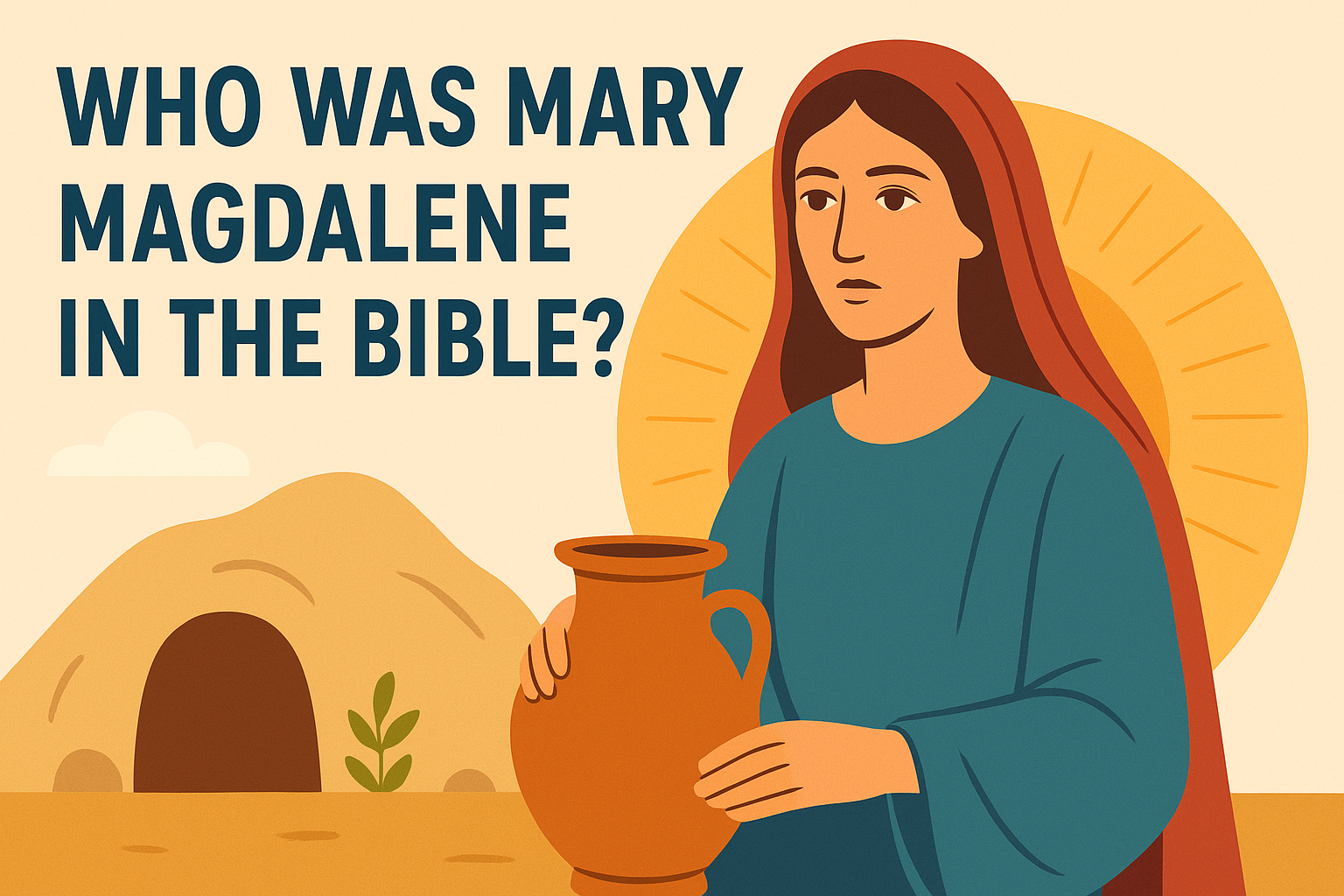
Mary Magdalene is a significant figure in the New Testament of the Bible, known primarily for her close association with Jesus Christ. She is often recognized as a devoted follower and witness to key events in His life, including His crucifixion and resurrection. Her story highlights themes of redemption, faith, and the role of women in the early Christian community.
Mary Magdalene is mentioned in several passages in the Gospels, where she is depicted as a woman transformed by her encounter with Jesus. While the Bible does not provide extensive details about her early life, her journey from a troubled past to becoming a prominent disciple of Christ is both compelling and inspiring.
Who Was Mary Magdalene?
Mary Magdalene is introduced in the Gospels as a woman from the town of Magdala, located on the western shore of the Sea of Galilee. The Bible describes her as having been possessed by seven demons before Jesus healed her (Luke 8:2). This event marks a significant turning point in her life, as she becomes one of Jesus’ most ardent followers.
Mary’s Transformation
Mary’s healing is a pivotal moment that showcases Jesus’ power and compassion. After being freed from her afflictions, she joins a group of women who travel with Jesus and His disciples, supporting them in their ministry (Luke 8:1-3). This act of devotion illustrates her deep gratitude and commitment to Jesus, setting her apart as a key figure in the early Christian movement.
Mary Magdalene’s Role in the Gospels
Throughout the Gospels, Mary Magdalene plays a crucial role in several important events. She is present at the crucifixion of Jesus, where she witnesses His suffering and death (John 19:25). This moment underscores her loyalty and courage, as many of the disciples had fled in fear.
Following Jesus’ burial, Mary Magdalene is depicted as one of the first individuals to visit the tomb on the morning of the resurrection. According to the Gospel of John, she arrives at the tomb early while it is still dark and discovers that the stone has been rolled away (John 20:1). This discovery leads to a profound encounter with the risen Christ.
The Resurrection Appearance
In John 20:11-18, Mary Magdalene has a personal encounter with Jesus after His resurrection. Initially, she does not recognize Him, but when He calls her name, she realizes who He is. This moment is significant, as Jesus entrusts her with the message of His resurrection, instructing her to go and tell the disciples (John 20:17). This commission highlights her importance in the early church and her role as the “apostle to the apostles.”
Misconceptions and Traditions
Over the centuries, Mary Magdalene has often been mischaracterized in various traditions and interpretations. One of the most persistent misconceptions is the idea that she was a reformed prostitute. However, the Bible does not support this claim, and it appears to stem from a conflation of Mary Magdalene with other women mentioned in the Gospels, such as the unnamed sinful woman in Luke 7:36-50. It is essential to distinguish between these figures based on the scriptural texts.
Another area of confusion arises from the portrayal of Mary Magdalene in art and literature, where she is sometimes depicted as a seductress or as having a romantic relationship with Jesus. These interpretations lack biblical evidence and often reflect cultural biases rather than scriptural truths. The Gospels present her as a devoted disciple and a witness to Jesus’ ministry, death, and resurrection, emphasizing her faith rather than any romantic notions.
Theological Significance
Mary Magdalene’s story embodies profound theological themes. Her transformation from a tormented woman to a faithful follower illustrates the redemptive power of Jesus’ love and grace. Moreover, her role as the first witness to the resurrection emphasizes the importance of women in the early church, challenging societal norms of the time that often marginalized female voices.
In the context of Christian theology, Mary Magdalene serves as a model of faith and discipleship. Her unwavering commitment to Jesus, even in the face of adversity, inspires believers to cultivate their own faith and devotion. Her encounter with the risen Christ also highlights the central tenet of Christianity—the resurrection and the hope it brings to humanity.
Mary’s Legacy in the Church
Throughout history, Mary Magdalene has been venerated as a saint in various Christian traditions. Her feast day is celebrated on July 22, honoring her contributions to the faith and her role as a witness to the resurrection. In recent years, there has been a resurgence of interest in her life and legacy, prompting discussions about the role of women in the church and the importance of recognizing their contributions to the faith.
Mary Magdalene’s story continues to resonate with believers today, reminding them of the transformative power of Jesus and the call to share the message of hope and redemption with others. Her journey from despair to faith serves as a testament to the inclusivity of the Gospel, affirming that all are welcome in the embrace of Christ’s love.
Mary Magdalene in Early Christianity
Mary Magdalene’s significance extends beyond her immediate role in the Gospels; she is also pivotal in the early Christian community. After Jesus’ ascension, the disciples faced a challenging environment as they spread His teachings. Mary Magdalene’s steadfast faith and her experiences with Jesus provided encouragement and inspiration to the early followers of Christ.
As one of the first witnesses to the resurrection, Mary’s testimony was vital in establishing the truth of Jesus’ resurrection among the early Christians. In a patriarchal society, her position as a female witness to such a monumental event was groundbreaking. Her proclamation of the resurrection to the apostles demonstrated that women played a crucial role in the nascent church, serving as leaders and proclaimers of the Gospel.
The Role of Women in the Early Church
Mary Magdalene’s presence and actions reflect the broader context of women’s involvement in the early church. The Gospels recount several instances where women were integral to Jesus’ ministry, such as supporting His work and being present during key events. This involvement challenges the traditional perceptions of women’s roles in that era and underscores their vital contributions to the spread of Christianity.
In the Book of Acts, we see continued references to women in ministry roles. Figures like Lydia and Priscilla also exemplify the active participation of women in the church, further highlighting the inclusivity of Christ’s message. Mary Magdalene’s legacy serves as a reminder that faith transcends gender, encouraging all believers to engage in ministry and witness.
Mary Magdalene in Christian Art and Literature
Mary Magdalene has been a prominent figure in Christian art and literature throughout the centuries. Artists have portrayed her in various ways, often reflecting the cultural and theological views of their time. In medieval art, she was frequently depicted as a penitent sinner, which contributed to the misconception of her as a former prostitute.
However, in more contemporary representations, there has been a shift toward portraying her as a strong and faithful disciple. This change reflects a growing acknowledgment of her true role in the Gospels and her importance as a leader in the early church. Literature, too, has begun to explore her character more deeply, emphasizing her faith and dedication rather than misguided stereotypes.
Mary Magdalene in Modern Discussions
Today, Mary Magdalene is often discussed in the context of feminist theology and gender studies. Her story is used to advocate for the recognition of women’s roles in religious traditions, challenging historical narratives that have marginalized female figures. Scholars and theologians are increasingly examining her contributions, leading to a reevaluation of women’s status in the church.
The ongoing interest in Mary Magdalene has also inspired works of fiction and film, which often reinterpret her story, sometimes blending historical facts with imaginative elements. These portrayals can spark dialogue about her true significance and the broader implications for women’s roles in faith communities.
Mary Magdalene and Spiritual Reflection
Mary Magdalene’s journey invites personal reflection among believers. Her transformation from a life dominated by affliction to one of faith and purpose encourages Christians to consider their own spiritual journeys. Her story serves as a reminder that no one is beyond redemption, and that Jesus offers healing and hope to all who seek Him.
Moreover, her encounter with the risen Christ can prompt believers to think about their own experiences of recognizing Jesus in their lives. Just as Mary initially struggled to recognize Him, Christians today may also find themselves searching for clarity and understanding in their faith journeys. This connection invites believers to cultivate a deeper relationship with Christ, encouraging them to listen for His voice and respond to His call.
Questions for Further Contemplation
As one reflects on Mary Magdalene’s life and contributions, several questions may arise:
- What does Mary Magdalene’s transformation teach us about the nature of Jesus’ healing and grace?
- How can her role as a witness to the resurrection inspire us to share our faith with others?
- In what ways can the church today learn from Mary Magdalene’s example of leadership and devotion?
- How do cultural perceptions of women in the church influence our understanding of figures like Mary Magdalene?
Conclusion: Mary Magdalene’s Enduring Legacy
Mary Magdalene remains a pivotal figure in Christianity, embodying themes of redemption, faith, and the active role of women in the church. Her transformation and unwavering devotion to Jesus serve as an inspiration for believers, reminding them of the power of faith and the importance of sharing the message of hope and resurrection.
As discussions about her life continue to evolve, Mary Magdalene’s legacy challenges Christians to recognize the contributions of women throughout history and to embrace the inclusive message of the Gospel. Her story encourages all believers, regardless of gender, to step into their calling and to witness the transformative love of Christ in their lives and communities.