
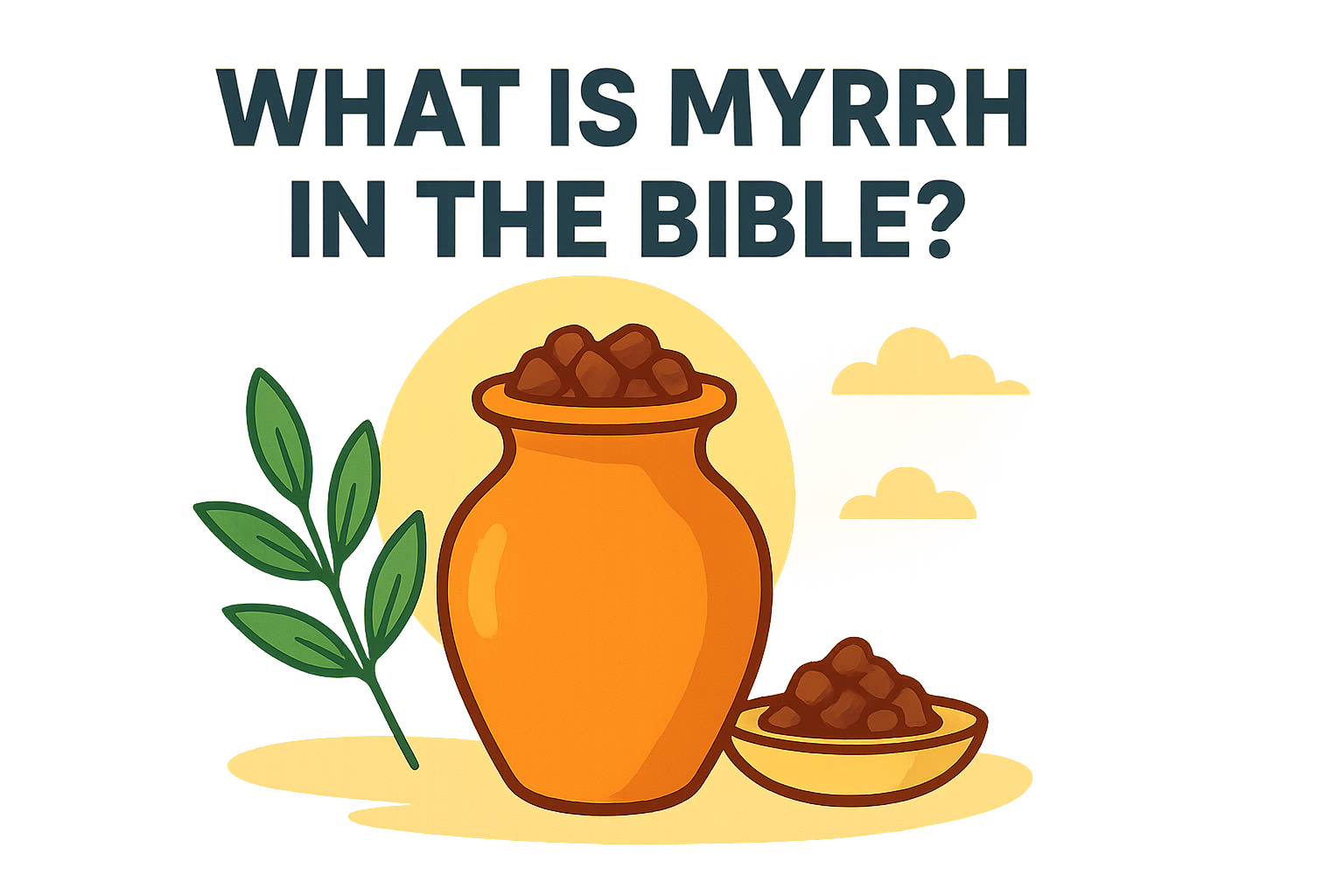
Myrrh is a fragrant resin obtained from the Commiphora tree, and it holds significant meaning in the Bible. It is mentioned multiple times throughout both the Old and New Testaments, often symbolizing anointing, sacrifice, and preparation for burial. Myrrh was highly valued in ancient times for its various uses, including as an incense, a perfume, and a medicinal substance.
In biblical times, myrrh was considered a luxury item and was often associated with royalty and divinity. It serves as a powerful symbol of suffering and sacrifice, especially in relation to the life and death of Jesus Christ.
Myrrh in the Old Testament
In the Old Testament, myrrh appears in several contexts, often linked to anointing and sacred rituals. One of the earliest references is found in Exodus 30:23-25, where God commands Moses to create a holy anointing oil that includes myrrh. This oil was used to consecrate the Tabernacle and its furnishings, as well as the priests who served in the temple. The inclusion of myrrh in this holy mixture highlights its significance in worship and dedication to God.
Additionally, myrrh is mentioned in the Song of Solomon (Song of Songs 3:6 and 4:6), where it is used poetically to describe the beauty and allure of the beloved. The verses convey a sense of intimacy and love, as myrrh symbolizes the fragrance of love and the preciousness of relationships. The imagery reflects the cultural importance of fragrances in expressing affection and devotion.
Myrrh in the New Testament
Myrrh’s most notable appearances in the New Testament relate to the birth and death of Jesus. In Matthew 2:11, the Magi present gifts to the newborn Jesus, including gold, frankincense, and myrrh. Each of these gifts carries symbolic meaning, but myrrh, in particular, foreshadows Jesus’ suffering and eventual death. While gold represents Jesus’ kingship and frankincense symbolizes His divinity, myrrh signifies the human aspect of His life and His role as the suffering servant.
Later, myrrh is again mentioned in the context of Jesus’ crucifixion. In Mark 15:23, it is said that Jesus was offered wine mixed with myrrh as a form of pain relief before His crucifixion. This act, however, was denied by Jesus, as He chose to fully experience the suffering He was about to endure. The myrrh in this instance highlights His willingness to accept the full weight of human suffering without seeking relief.
Symbolism of Myrrh
Beyond its physical properties, myrrh carries deep symbolic meanings throughout Scripture. It is often associated with suffering, sacrifice, and preparation for death. In addition to its use in anointing and embalming, myrrh is a reminder of the fragility of life and the reality of mortality. This is particularly poignant in the context of Jesus’ life, where myrrh serves as a foreshadowing of His death and resurrection.
Moreover, myrrh can also symbolize healing and restoration. In ancient medicine, myrrh was used for its antiseptic and anti-inflammatory properties. This medicinal aspect complements its spiritual significance, as it represents the healing that comes through Christ’s sacrifice. Just as myrrh was used to treat physical ailments, Jesus’ suffering and death provide spiritual healing for humanity.
Myrrh in Cultural Context
In the ancient world, myrrh was considered a precious commodity, traded along trade routes and valued for its fragrance and practical applications. Its use extended beyond the religious realm; myrrh was also employed in beauty products and perfumes, making it a significant aspect of daily life. This cultural appreciation for myrrh adds depth to its biblical significance, as it reflects the values and customs of the time.
The trade of myrrh was not only economically important but also played a role in the social and religious practices of the people. In addition to its biblical references, myrrh was often used in funerary rites, further emphasizing its connection to death and preparation for the afterlife. This cultural practice resonates with the biblical narrative, as it signifies the importance of honoring the dead and the hope of resurrection.
Conclusion of Part One
Myrrh is a multifaceted substance in the Bible, rich in symbolism and cultural significance. Its appearances in both the Old and New Testaments highlight its role in anointing, sacrifice, and healing. As we explore its significance further, we will delve into the implications of myrrh in the life and teachings of Jesus, as well as its relevance for believers today.
The Role of Myrrh in Anointing and Healing
Myrrh’s significance extends beyond its mention in the Bible; it is deeply intertwined with the practices of anointing and healing. Anointing, an essential ritual in biblical times, symbolized the setting apart of individuals for God’s service. Myrrh’s inclusion in the holy anointing oil (Exodus 30:23-25) signifies its sacred purpose, enhancing the spiritual atmosphere during worship and consecration.
In addition to its ceremonial use, myrrh was valued for its medicinal properties. Ancient texts reveal that myrrh was used to treat various ailments, including wounds and infections. This medicinal aspect is crucial in understanding the holistic view of healing in biblical times. It highlights a connection between physical and spiritual healing that resonates with the teachings of Jesus, who often healed the sick as a demonstration of His divine authority and compassion.
Myrrh’s Connection to Suffering and Sacrifice
The symbolism of myrrh as a representation of suffering is profound, particularly in the context of Jesus’ life and mission. Myrrh appears at the beginning of Jesus’ life with the Magi’s gifts, emphasizing its significance in foreshadowing His future. The gift of myrrh, when viewed through the lens of Jesus’ suffering, becomes a poignant reminder of His purpose on Earth—to endure and conquer sin and death.
Throughout the New Testament, myrrh’s association with suffering culminates in the crucifixion. By refusing the wine mixed with myrrh, Jesus demonstrates His commitment to fully experience the agony of the cross. This act speaks volumes about His willingness to embrace the pain of humanity, offering a model of sacrificial love for believers. In this light, myrrh serves as a powerful symbol of the cost of redemption and the depth of Christ’s love for humanity.
Myrrh in the Context of Death and Burial
Myrrh’s association with death is particularly evident in the practices surrounding burial in ancient Israelite culture. It was commonly used in embalming mixtures, as seen in John 19:39, where Nicodemus brings a mixture of myrrh and aloes to prepare Jesus’ body for burial. This act underscores the respect and honor given to the deceased, reflecting a cultural understanding of the importance of proper burial rites.
Moreover, the use of myrrh in burial practices connects to the belief in the afterlife. By preparing Jesus’ body with myrrh, the disciples demonstrated their love and devotion, but it also signifies the hope of resurrection that is central to Christian faith. The fragrant myrrh, representing both death and healing, serves as a reminder of the promise of eternal life through Christ’s resurrection.
Myrrh in the Lives of Believers Today
For contemporary Christians, myrrh carries significant implications. Its rich symbolism invites believers to reflect on themes of sacrifice, healing, and the transient nature of life. Christians are encouraged to embrace suffering as a part of their spiritual journey, understanding that, like Jesus, they are called to endure trials and tribulations with faith and hope.
Furthermore, myrrh reminds believers of the importance of spiritual healing. Just as myrrh was used for physical ailments, spiritual healing is found in the life and teachings of Jesus. Believers are called to seek restoration through prayer, community, and the Word of God, recognizing that Christ’s sacrifice provides the ultimate healing for their souls.
Questions for Reflection
As we consider the significance of myrrh in the Bible, several questions arise for personal reflection:
- How does the symbolism of myrrh influence your understanding of Jesus’ sacrifice?
- In what ways can you embrace suffering as a part of your spiritual journey?
- How can the healing properties of myrrh inspire you to seek spiritual restoration in your life?
- What role does anointing and consecration play in your relationship with God?
Conclusion
Myrrh is a profound element in the biblical narrative, symbolizing sacrifice, suffering, and healing. Its appearances in both the Old and New Testaments reflect its multifaceted significance, inviting believers to explore deeper spiritual truths. By understanding the context and implications of myrrh, Christians can draw closer to the heart of God, embracing the journey of faith that includes both trials and triumphs. Ultimately, myrrh serves as a reminder of the hope found in Jesus Christ, who transforms suffering into healing and death into life.