
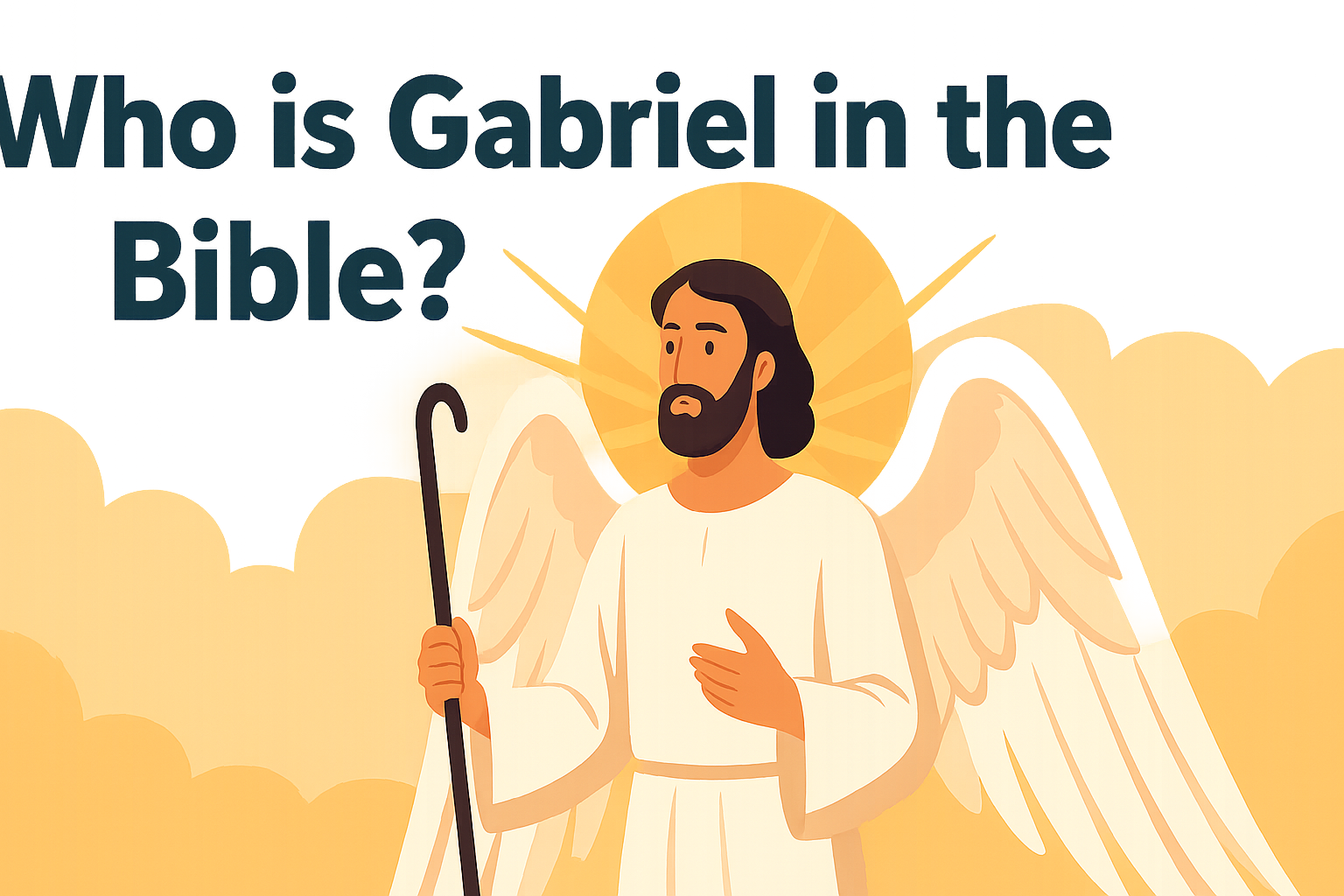
In the Bible, Gabriel is one of the prominent angels mentioned, known for delivering important messages from God. He appears in both the Old and New Testaments, serving as a messenger who plays a key role in significant biblical events.
Traditionally, Gabriel is recognized as an archangel, a high-ranking angel tasked with special missions. His name means “God is my strength,” reflecting his role as a divine messenger who conveys God’s will to humanity.
Gabriel in the Old Testament
The Vision of Daniel
Gabriel first appears in the Old Testament in the Book of Daniel. In Daniel 8:16, the prophet Daniel hears a voice calling him to understand a vision. The voice belongs to Gabriel, who is sent to help Daniel interpret the meaning of the vision concerning the end times and the rise and fall of empires. This moment highlights Gabriel’s role as an interpreter of God’s messages.
“So I approached one of those standing there and asked him what it all meant. He explained it to me, saying, ‘This is the vision that Daniel had: It is about the time of the end.’” (Daniel 8:16, NLT)
Gabriel’s Role in Prophecy
In Daniel 9:21-22, Gabriel again appears to Daniel while he is praying. Gabriel comes to provide insight into Daniel’s prayer and to deliver a message about the future of Israel. This emphasizes that Gabriel is not only a messenger but also a guide who helps God’s people understand His plans.
Through these encounters, Gabriel is portrayed as a significant figure in God’s communication with His prophets, emphasizing the importance of divine guidance in understanding prophecy and the unfolding of God’s plan for Israel.
Gabriel in the New Testament
The Annunciation to Mary
Gabriel’s most notable appearance in the New Testament occurs in the Gospel of Luke. In Luke 1:26-38, Gabriel is sent to the Virgin Mary to announce that she will conceive Jesus, the Son of God. This moment is known as the Annunciation and marks a pivotal point in Christian history, as it signifies the incarnation of Christ.
“In the sixth month of Elizabeth’s pregnancy, God sent the angel Gabriel to Nazareth, a village in Galilee, to a virgin named Mary. She was engaged to be married to a man named Joseph, a descendant of King David.” (Luke 1:26-27, NLT)
In this passage, Gabriel introduces himself as a messenger from God, emphasizing the divine authority of his announcement. His message reassures Mary, explaining that her child will be holy and called the Son of God. This interaction illustrates Gabriel’s role as a bearer of good news and a facilitator of God’s plan for salvation.
The Announcement to Zechariah
Before visiting Mary, Gabriel appears to Zechariah, the father of John the Baptist, in Luke 1:11-20. Zechariah is serving in the temple when Gabriel appears to him with the message that he and his wife, Elizabeth, will have a son, John, who will prepare the way for the Lord. This encounter showcases Gabriel’s role as a herald of significant births, reinforcing the idea that God uses angels to announce pivotal events in salvation history.
“But the angel said, ‘Don’t be afraid, Zechariah! God has heard your prayer. Your wife, Elizabeth, will give you a son, and you are to name
Gabriel as a Symbol of Hope and Promise
Gabriel’s appearances in both the Old and New Testaments serve as powerful symbols of hope and divine promise. In the context of the prophetic messages delivered to Daniel, Gabriel reassures the people of Israel that God has not forgotten them, even during times of turmoil and uncertainty. Similarly, in the New Testament, his announcements to Mary and Zechariah signify a new beginning for humanity through the coming of the Messiah and the forerunner, respectively. These interactions highlight God’s faithfulness to His promises throughout history.
Understanding Gabriel’s Role in Salvation History
Gabriel’s role extends beyond merely delivering messages. He is a key figure in the unfolding story of salvation. His announcements to Mary and Zechariah are not just about the births of Jesus and John the Baptist; they represent the fulfillment of Old Testament prophecies and the establishment of a new covenant. By connecting the Old Testament prophecies with New Testament realities, Gabriel embodies the continuity of God’s plan for redemption.
In the context of Luke’s Gospel, the presence of Gabriel emphasizes the divine orchestration behind the events of Jesus’ life. The angel’s role is to bridge the gap between heaven and earth, reminding believers that God is actively involved in the world and in their lives. This aspect of Gabriel’s mission encourages Christians to trust in God’s timing and purpose, even when circumstances seem bleak.
Gabriel’s Significance in Christian Tradition
Throughout Christian history, Gabriel has been venerated not only as a messenger but also as a protector and intercessor. Many traditions see him as a patron of communication, helping believers articulate their prayers and thoughts to God. In various liturgical celebrations, Gabriel is invoked for his role in revealing God’s truth and guiding humanity toward understanding.
Artistic Representations of Gabriel
Gabriel has been a popular figure in Christian art, often depicted as a majestic angel with wings, holding a lily or a scroll, symbolizing purity and divine message. This imagery captures the essence of Gabriel’s role as a messenger and highlights the beauty of the announcements he delivers. Artists have portrayed the Annunciation scene with great reverence, emphasizing the significance of Gabriel’s message to Mary and the momentous occasion of the Incarnation.
Such artistic representations serve not only as visual reminders of Gabriel’s importance but also inspire worship and reflection on the messages he brings. They invite viewers to consider their own responses to God’s call and the ways in which divine messages can transform lives.
Gabriel in Other Religious Texts
In addition to his biblical significance, Gabriel appears in other religious traditions, most notably in Islam. In Islamic belief, Gabriel (known as Jibril) is revered as the angel who delivered revelations to the Prophet Muhammad. This parallel highlights Gabriel’s role as a universal messenger of God across different faiths, underscoring the idea that divine communication transcends cultural and religious boundaries.
This cross-religious significance invites believers to explore the shared themes of divine guidance and the importance of heeding God’s messages. It encourages interfaith dialogue, as understanding Gabriel’s role in various traditions can foster respect and appreciation for differing beliefs about divine communication.
Questions for Reflection
Considering Gabriel’s multifaceted role in the Bible, believers might ask themselves several questions:
- What does Gabriel’s presence in significant biblical events teach us about God’s communication with humanity?
- How can we be more receptive to the messages God might be sending us through various means?
- In what ways can we embody the hope and promise that Gabriel represents in our daily lives?
- How can we learn from Gabriel’s example in our own efforts to communicate God’s love and truth to others?
These questions encourage personal reflection and growth, prompting believers to consider their own roles in God’s ongoing story of redemption.
Conclusion: Gabriel’s Enduring Legacy
Gabriel remains a significant figure in the biblical narrative and in Christian tradition. His role as a messenger of God not only highlights the importance of divine communication but also serves as a reminder of God’s faithfulness and willingness to guide His people. As believers reflect on Gabriel’s messages, they are encouraged to embrace hope, trust in God’s promises, and actively participate in the unfolding story of salvation.
In a world filled with uncertainty, Gabriel’s presence in the scriptures offers reassurance that God is always at work, delivering messages of love, hope, and purpose. By looking to Gabriel as an example, Christians can find inspiration to live out their faith, communicate God’s truth, and serve as messengers of hope in their own communities.