
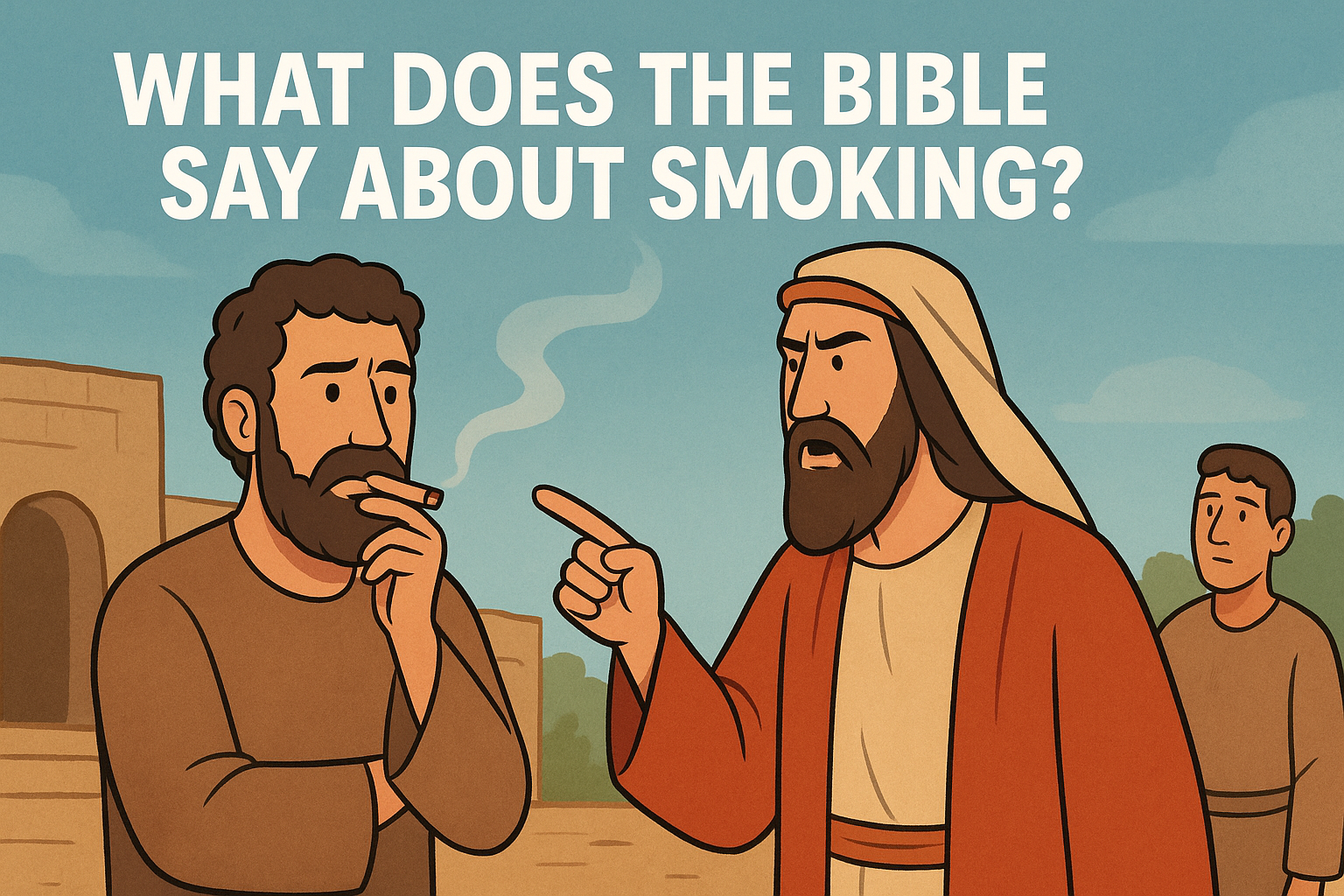
The Bible does not directly mention smoking tobacco or any specific form of smoking as we understand it today. However, it does provide principles and teachings that can guide Christians in making decisions about smoking and its impact on health, relationships, and spiritual well-being.
To understand the biblical perspective on smoking, we can look at several key themes in Scripture, including the body as a temple, the importance of self-control, and the influence of our actions on others. These themes help frame the discussion about smoking and its implications for believers.
The Body as a Temple
One of the most relevant passages related to smoking can be found in 1 Corinthians 6:19-20, where the Apostle Paul writes, “Don’t you realize that your body is the temple of the Holy Spirit, who lives in you and was given to you by God? You do not belong to yourself, for God bought you with a high price. So you must honor God with your body.” This passage emphasizes the importance of treating our bodies with respect and care.
When considering smoking, many health experts point out the harmful effects of tobacco on the body. Smoking is linked to various diseases, including lung cancer, heart disease, and respiratory issues. From a biblical perspective, engaging in activities that knowingly harm our bodies could be seen as disrespecting the temple of the Holy Spirit. Thus, the principle of honoring God with our bodies may lead Christians to reconsider the practice of smoking.
Self-Control and Discipline
The Bible frequently speaks about the importance of self-control and discipline. For instance, Galatians 5:22-23 lists self-control as one of the fruits of the Spirit. This suggests that Christians are called to exercise self-control in all areas of life, including habits that may be addictive, such as smoking.
Smoking can be addictive, and many people find it difficult to quit. If smoking becomes a habit that controls a person’s life or affects their health negatively, it may be worth examining how it aligns with the biblical call to self-control. The act of smoking can lead to dependence on nicotine, which is contrary to the biblical teachings on self-discipline.
Impact on Others
Another important consideration is how smoking affects those around us. The Bible encourages believers to consider the impact of their actions on others. In 1 Corinthians 8, Paul discusses the idea of not causing others to stumble in their faith. Although this passage specifically addresses food and idolatry, the underlying principle applies broadly to any behavior that could negatively influence others.
Smoking can have harmful effects not only on the smoker but also on those who are exposed to secondhand smoke. As Christians, we are called to love our neighbors and to be mindful of how our choices affect them. If smoking may harm others or create an uncomfortable environment, it raises ethical questions about the practice.
Freedom and Responsibility
In Galatians 5:13, Paul writes, “For you have been called to live in freedom, my brothers and sisters. But don’t use your freedom to satisfy your sinful nature. Instead, use your freedom to
serve one another in love.” This verse highlights the balance between freedom and responsibility that Christians must navigate. While individuals may feel they have the right to smoke, it is crucial to ask whether this freedom glorifies God and serves others. The freedom to make choices comes with the responsibility to consider how those choices align with God’s will and impact the community.
Health and Well-Being
While the Bible does not specifically mention smoking, it does emphasize the importance of health and well-being. In 3 John 1:2, John writes, “Dear friend, I hope all is well with you and that you are as healthy in body as you are strong in spirit.” This verse reflects the holistic view the Bible takes on health—both physical and spiritual. Smoking, which is known to cause serious health issues, could be seen as contrary to the desire for good health expressed in this passage.
Moreover, Proverbs 3:7-8 advises, “Don’t be impressed with your own wisdom. Instead, fear the Lord and turn away from evil. Then you will have healing for your body and strength for your bones.” This suggests that turning away from harmful practices, including smoking, aligns with seeking God’s wisdom and promotes better health. Christians are encouraged to seek healing and strength, which may lead to a reevaluation of smoking habits.
Seeking Wisdom in Lifestyle Choices
The Bible encourages believers to seek wisdom in their daily choices. James 1:5 states, “If you need wisdom, ask our generous God, and he will give it to you.” This invitation to seek divine guidance can be applied to the issue of smoking. Christians facing decisions about smoking can pray for wisdom and discernment, asking whether their habits align with their faith and values.
Additionally, Proverbs 4:7 teaches, “Getting wisdom is the wisest thing you can do! And whatever else you do, develop good judgment.” This pursuit of wisdom can prompt individuals to consider the long-term consequences of smoking, not only for their own lives but also for their relationships and spiritual health.
Community and Accountability
The Christian faith emphasizes the value of community and accountability. In Hebrews 10:24-25, believers are encouraged to motivate one another toward love and good deeds and not to neglect meeting together. This communal aspect of faith can provide support for those who struggle with smoking. Church communities can create environments where members feel comfortable discussing their habits and seeking help to quit smoking or make healthier choices.
Having accountability partners or support groups within the church can be beneficial. These relationships can foster encouragement and prayer, helping individuals overcome the challenges associated with smoking and addiction. Engaging with others in this way aligns with the biblical call to bear one another’s burdens (Galatians 6:2).
Reflecting on Personal Convictions
Ultimately, the decision to smoke or not can be a matter of personal conviction. Romans 14 addresses issues of personal freedom and conscience, reminding believers to be sensitive to one another’s convictions. In this context, Christians are encouraged to examine their motivations for smoking and to consider how their choices reflect their faith.
It is essential to engage in honest self-reflection and prayer when contemplating smoking. Questions such as “Does smoking bring me closer to God or further away?” or “How does this habit affect my witness to others?” can guide individuals in making decisions that honor their faith. As believers, the goal should always be to reflect Christ in every aspect of life, including lifestyle choices.
Conclusion: A Faith-Based Approach to Smoking
While the Bible does not explicitly address smoking, it provides numerous principles that can guide Christians in making informed decisions about the practice. By considering the body as a temple, the importance of self-control, the impact on others, the pursuit of health, seeking wisdom, and fostering community, believers can navigate the complexities of smoking in a way that honors God and promotes well-being.
Ultimately, each individual must weigh their personal convictions and seek God’s guidance in their choices. Whether one chooses to smoke or not, the focus should remain on glorifying God and living a life that reflects His love and grace to those around us.
For further insights into health and wellness from a biblical perspective, you may find it helpful to explore what the Bible says about health and the importance of self-control in daily life.